
13-Hour Petrol Queues, Gas Station Fights, Fuel Rationing: Russia Faces Fuel Crisis
Russian President Vladimir Putin has publicly acknowledged that fuel shortages are spreading across the country after a sustained wave of Ukrainian drone strikes on oil refineries, marking his first detailed admission of how deeply the attacks have disrupted domestic supply. Speaking during a government meeting and later in an interview with state TV, Putin admitted the country is facing a certain deficit of fuel and said a task force was working to stabilise distribution, while insisting the situation remains manageable .
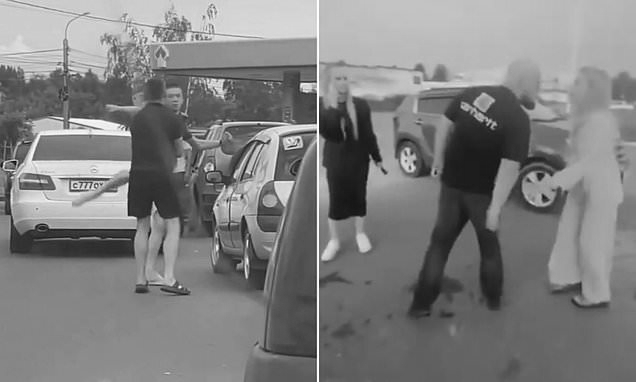
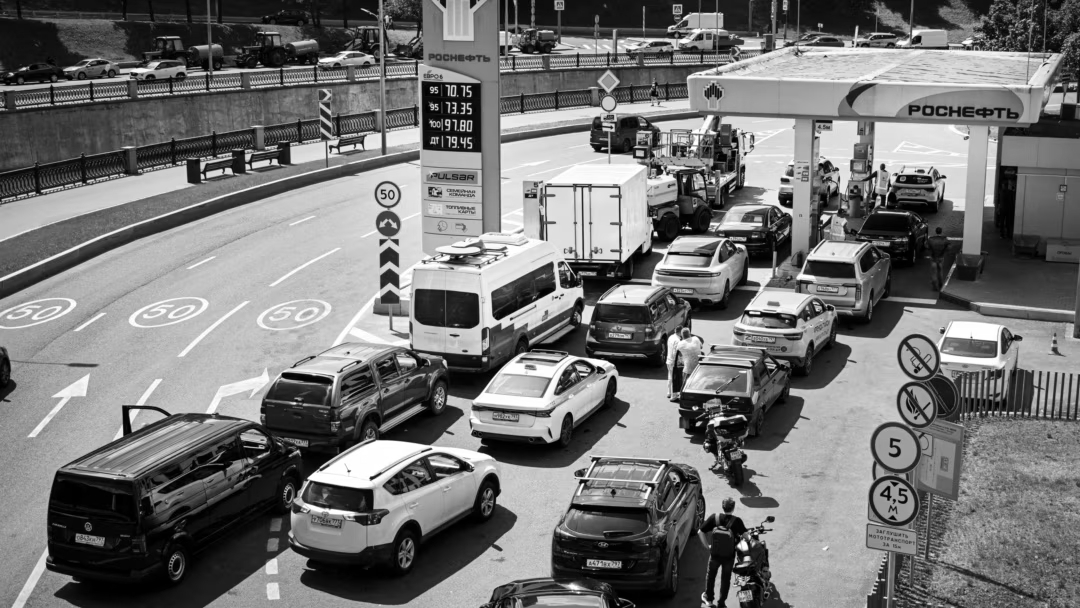
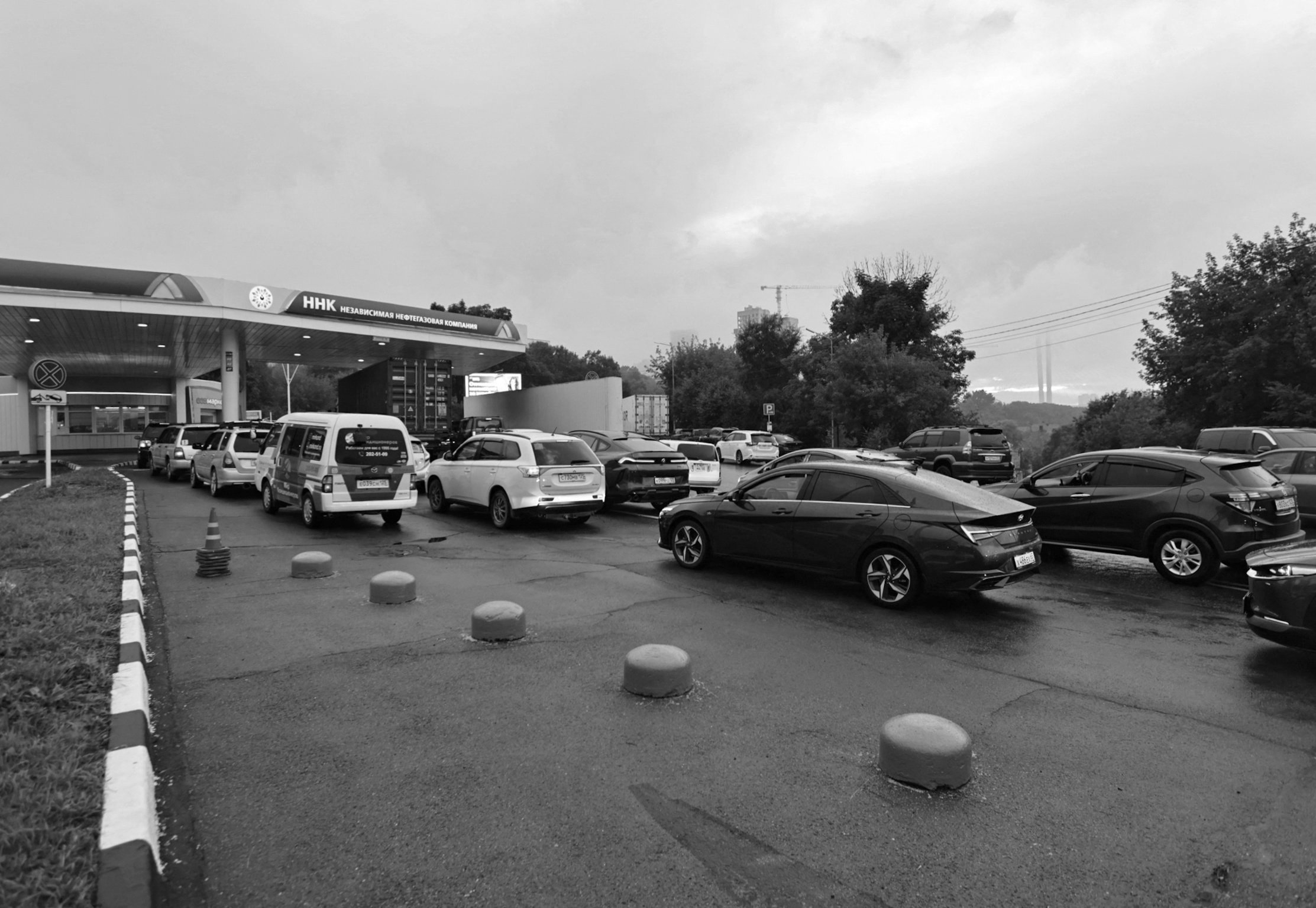
The crisis has grown severe enough that more than 55 of Russia's 83 regions are now reporting either government imposed fuel rationing or supply shortages. Motorists in several regions have reportedly waited up to 13 hours at petrol stations, and videos circulating online show fights breaking out among frustrated drivers, including a violent altercation in Sverdlovsk Oblast that required police intervention. In Irkutsk , authorities have capped purchases at 50 litres per vehicle per day at state run Rosneft stations.
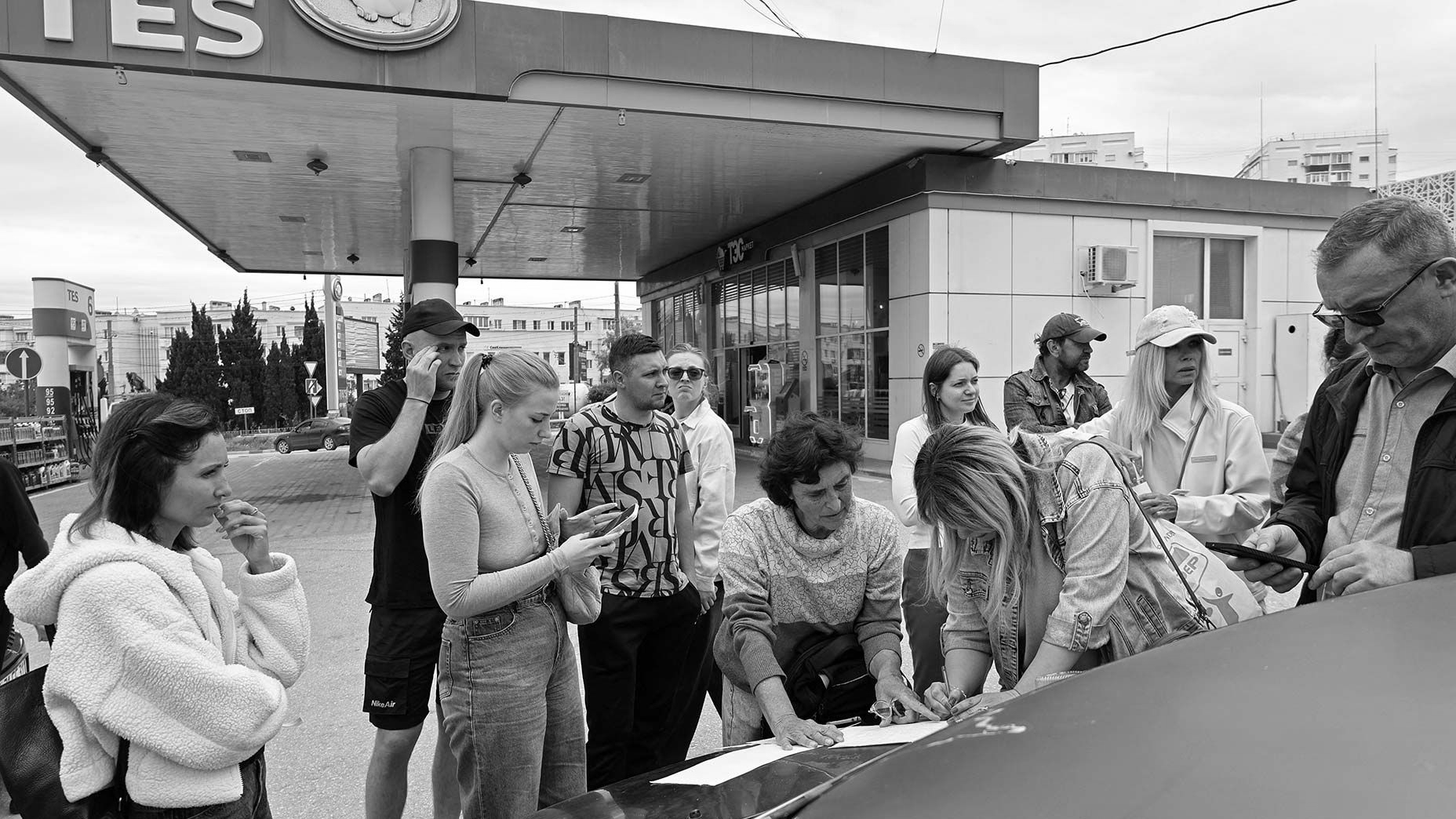
Crimea , the Russian annexed peninsula, has been hit hardest, declaring a state of emergency after Kyiv's strikes on supply routes triggered its worst energy crisis since 2014 , prompting a temporary suspension of civilian gasoline sales. Ukrainian President Volodymyr Zelenskyy confirmed strikes on refineries in the Krasnodar and Yaroslavl regions, calling the attacks long range sanctions that reduce resources fueling Russia's war effort.
Putin is also weighing a full ban on diesel exports and has pledged to import more fuel while accelerating refinery repairs, describing the disruption as a temporary deficit . Russia's Deputy Prime Minister Alexander Novak said Moscow was reviewing fuel export agreements, while central bank deputy governor Alexey Zabotkin warned the crisis could shave into this year's GDP growth , already forecast at just 0.5 to 1.5 percent .
Analysts say the fallout marks a rare moment of open public discontent inside Russia, with reports describing ordinary citizens, not just critics, openly complaining about shortages in shops, cafeterias and barbershops. Some regions have suspended ambulance services and garbage collection due to lack of fuel, while a black market has emerged for holding places in queues. The Institute for the Study of War noted Putin appears to be trying to project awareness of the economic strain without directly addressing the scale of Ukraine's campaign, as the fuel crisis increasingly tests the Kremlin's grip on public sentiment nearly five years into the war.