
1980s AI Photo Hype Is Everywhere, But What Is The Environmental Cost?
The 1980s are back, but this time no time machine is needed. One selfie, one prompt and a few seconds can turn an ordinary photograph into a retro portrait, a Bollywood hero or heroine look or even a fictional 1980s movie poster. The craze is spreading across social media, but behind every AI image is a physical footprint involving computing power, electricity, cooling and, in some cases, water.
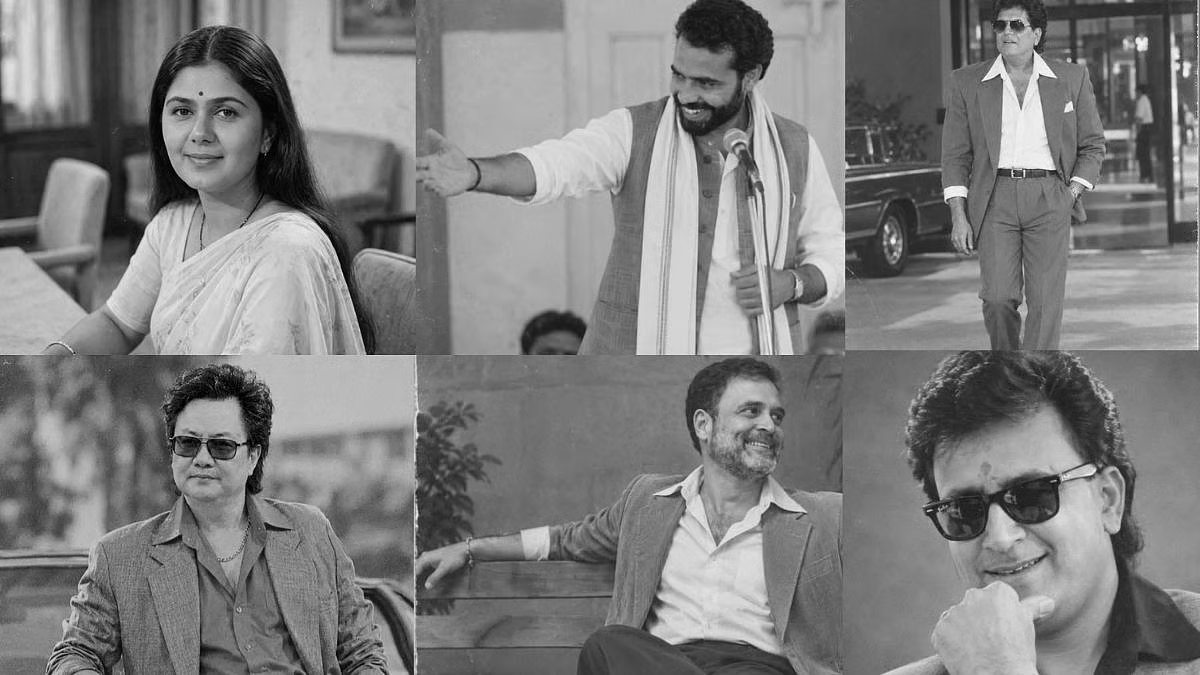
Users are uploading selfies to AI tools such as ChatGPT and transforming them with period hairstyles, vintage clothes, studio backdrops and film-like textures. The trend has also expanded to Indian cinema, with users creating retro Bollywood looks and fictional movie posters.
The process looks effortless, but specialised processors in data centres consume electricity and generate heat, requiring cooling. Depending on the location, power source and cooling system, AI image generation can also have a water footprint.
So, how much does one AI image use? The United Nations University’s 2026 assessment estimates that a typical AI generated image requires around 1,450 times the energy of a basic text classification task. It also estimates that inference, or everyday AI use, accounts for 80 to 90 per cent of AI energy consumption.
Scale is the bigger concern. UNU estimates more than 15 billion AI images were generated through text to image systems during 2022 and 2023, including roughly 34 million daily in 2023. These are historical figures and cannot establish how many images the current 1980s craze has produced. There is no reliable public figure for that total.
Users also rarely create just one image. They may generate several versions to change faces, clothes, hairstyles or lighting, multiplying the computing demand.
Water adds another hidden cost. Data centres can use water for cooling, while electricity generation and chip manufacturing also carry water footprints. UNU projects AI related data centres could require 945 terawatt hours of electricity by 2030, with an associated water footprint of about 9.3 trillion litres and a land footprint exceeding 14,500 square kilometres.
The broader infrastructure impact is already a concern. The IEA says data centre electricity use surged in 2025 as AI expanded. Capital expenditure by five major technology companies exceeded $400 billion in 2025 and was expected to rise another 75 per cent in 2026. UNU also projects up to 2.5 million tonnes of AI related electronic waste annually by 2030.
India offers a local example. Google’s planned $15 billion data centre hub in Andhra Pradesh has faced environmental opposition over water and wildlife concerns because of its location near a wildlife sanctuary. The Andhra Pradesh government has denied allegations that the project was fast tracked without assessing risks.
One retro selfie may have a small footprint. But when billions of images are generated, the hidden cost becomes harder to ignore. Behind every nostalgic 1980s image are processors, servers, electricity, cooling equipment, water, land and supply chains.