
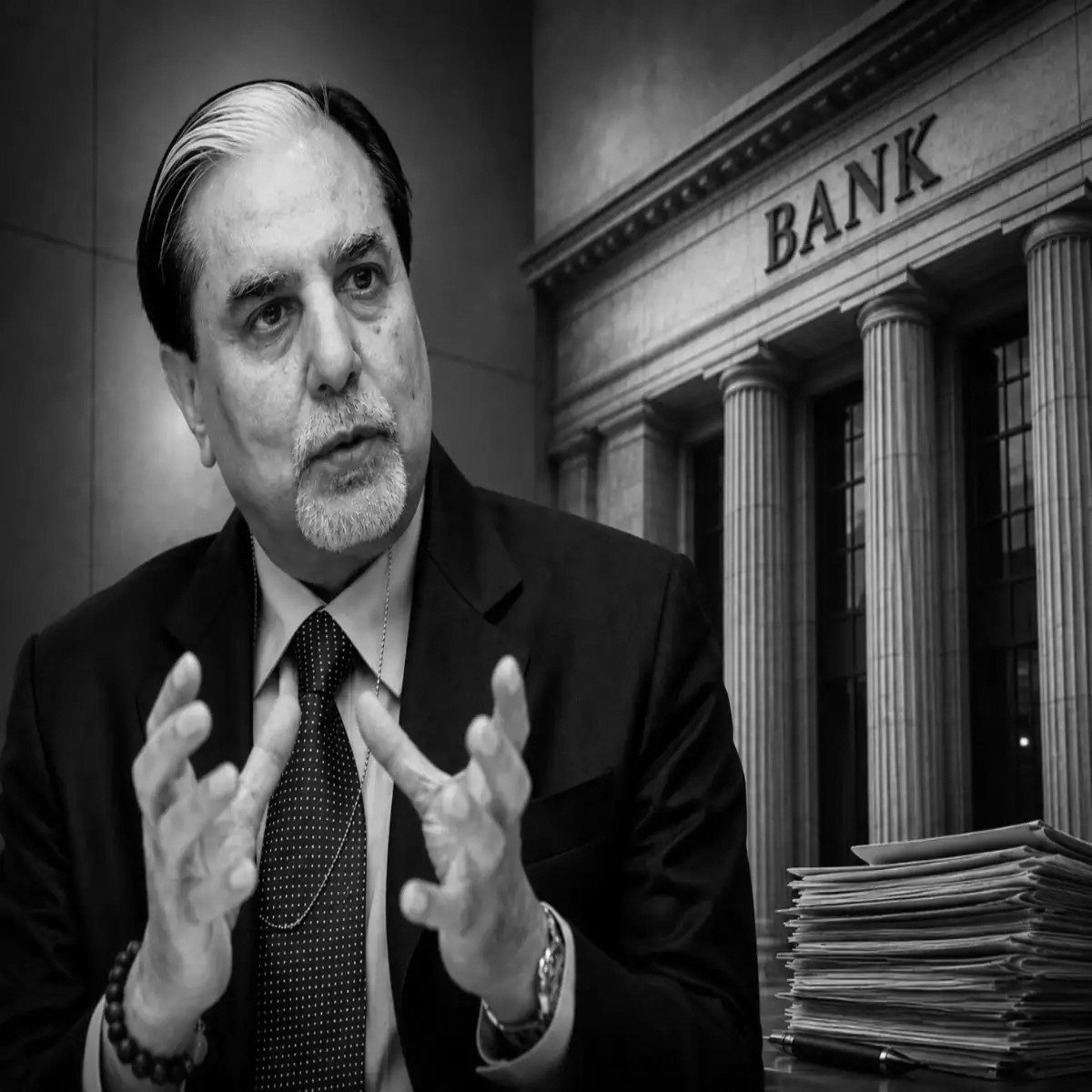
₹22,006 Crore Claims, ₹6.5 Crore Payout: Why Banks Are Challenging Chandra’s Insolvency Plan
The National Company Law Tribunal’s approval of Subhash Chandra’s personal insolvency repayment plan has triggered challenges from lenders, who question both the recovery offered and the approval process.
The plan allows Chandra, founder of the Essel Group and Zee, to pay about ₹6.5 crore against admitted claims of ₹22,006.57 crore. Chandra has disputed the larger figure, saying claims against him total about ₹3,992 crore and that he was a personal guarantor, not the borrower.
Dissenting lenders argue that five entities allegedly linked to Chandra’s family collectively held 61.78% of the Committee of Creditors’ voting share. They contend the entities should have been treated as associates or related parties and excluded from voting under applicable provisions of the Insolvency and Bankruptcy Code.
Their votes helped the plan secure 80.814% approval. The five entities are Veena Investments, Direct Media Distribution Ventures, World Crest Advisors, Lemonade Capital Advisors and Corpcall Capital Advisors.
HDFC Bank, which held about 3.2% voting share, has indicated it is considering an appeal. Its concerns centre on the plan’s extremely low recovery.
Canara Bank, with a 1.60% voting share, voted against the proposal and has said it will appeal before the National Company Law Appellate Tribunal (NCLAT). It also sought a forensic audit, but said its minority voting position prevented that request from being pursued.
The lenders could challenge the eligibility of the five entities to vote, voting-share calculations, creditor claims, the resolution professional’s conduct, and the plan’s fairness and viability. They may also question whether the recovery reflects Chandra’s assets.
The NCLT’s decision followed a split verdict between two members, with third member Nilesh Sharma ruling in favour of the plan. The matter will return to the original bench for a formal order.
If appeals are filed, the NCLAT could uphold, modify or set aside the order, potentially requiring reconsideration of voting, claims or the repayment process. Further legal challenges could ultimately reach the Supreme Court. The dispute could therefore continue through further appeals