
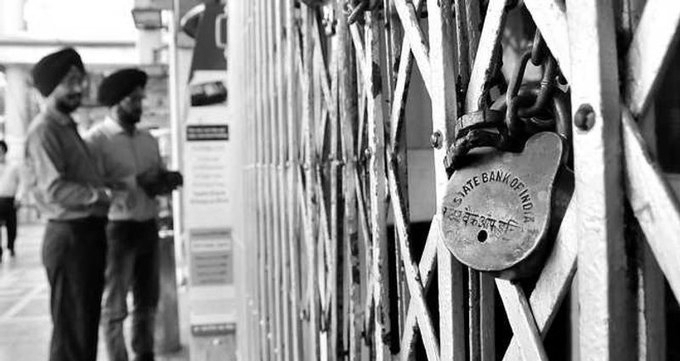
3-Day Bank Strike From Sept 28: Customers Advised To Finish Essential Transactions Early
Customers of public sector banks and some old-generation private lenders have been advised to complete essential banking transactions in advance as a three-day nationwide strike from September 28 to 30 threatens to disrupt normal branch operations.
The strike has been called by the United Forum of Bank Unions (UFBU), which claims to represent about 90 per cent of the banking workforce. The unions are seeking a five-day banking week, along with improvements in pension-related benefits and other demands.
The timing of the proposed strike could add to the disruption as it coincides with the banking sector's half-yearly closing. To help customers complete their work before the strike, the government has directed public sector banks to keep branches open on Sunday, September 27.
State Bank of India (SBI), in an advisory, said some banking services could be affected during the strike and urged customers to complete essential transactions beforehand. It also advised customers to use ATMs, cash deposit and withdrawal machines, YONO, internet and mobile banking, UPI and other digital channels wherever possible.
Bank of India has similarly asked customers to use its 24x7 digital services, including mobile and internet banking, ATMs, business correspondent points and UPI, for their banking requirements during September 28-30.
Regional Rural Banks are also participating in the strike. Karnataka Bank, an old-generation private sector lender, said branch, office and departmental operations could be affected if the strike materialises, although it was taking steps to maintain normal functioning.
However, customers of ICICI Bank, HDFC Bank, Axis Bank and IndusInd Bank are expected to have access to normal banking operations, as these new-generation private sector lenders are not participating in the strike.
The Finance Ministry had earlier appealed to bank employees to avoid the strike and resolve their outstanding demands through dialogue, saying that most concerns raised by the unions had been substantially addressed.
Besides the five-day work week, the unions are demanding pension updation, a uniform dearness allowance formula for pensioners, and an option for employees covered under the National Pension System to switch to the old pension scheme.