
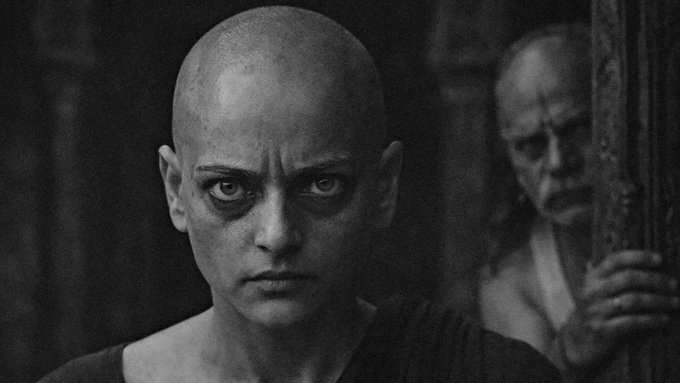
₹33K budget, iPhone camera, zero compromise on chills, 'Mann Pishach' stuns the internet
In an industry where film budgets often run into crores, the trailer of Mann Pishach has caught people’s attention for doing the exact opposite. The psychological horror film, directed by Rahi Anil Barve , the filmmaker who earlier gained recognition for the acclaimed film Tumbbad , is making headlines for its unusually tiny budget.
According to the makers, the entire 80-minute film was reportedly made with a budget of just ₹33,000 . While that number itself sounds unbelievable in today’s filmmaking landscape, the trailer suggests that creativity and storytelling may have played a bigger role than money.
The film was shot using an iPhone , with the team relying on simple video recordings, hand-drawn storyboards , and post-production work done through tools like Photoshop and After Effects . The makers have also reportedly used generative AI support during the creative process, showing how new technology is slowly opening doors for independent filmmakers with limited resources.
The story follows an archaeology officer who travels to a remote and mysterious village after hearing about a strange dome that has appeared on a nearby hill. What initially seems like a routine investigation soon takes a darker turn. As night falls, the officer begins to experience unsettling and unexplained events , slowly pulling him into a disturbing psychological mystery.
Interestingly, the film features only two actors , making it an extremely minimal production in terms of scale. Yet, the trailer manages to create a surprisingly eerie atmosphere, using silence, shadows, and simple visual techniques to build tension.
Many viewers who watched the trailer online have expressed curiosity about how such a small project could deliver such striking visuals and mood.
If Mann Pishach manages to attract strong attention after its planned YouTube release , it could become a fascinating example of how imagination, technology, and storytelling can sometimes outweigh big budgets. In a time when filmmaking tools are becoming more accessible, this small experiment may inspire a new generation of creators to tell stories without waiting for massive financial backing.