
48 Teams, 104 Matches, Three Nations: Football’s Biggest World Cup Arrives
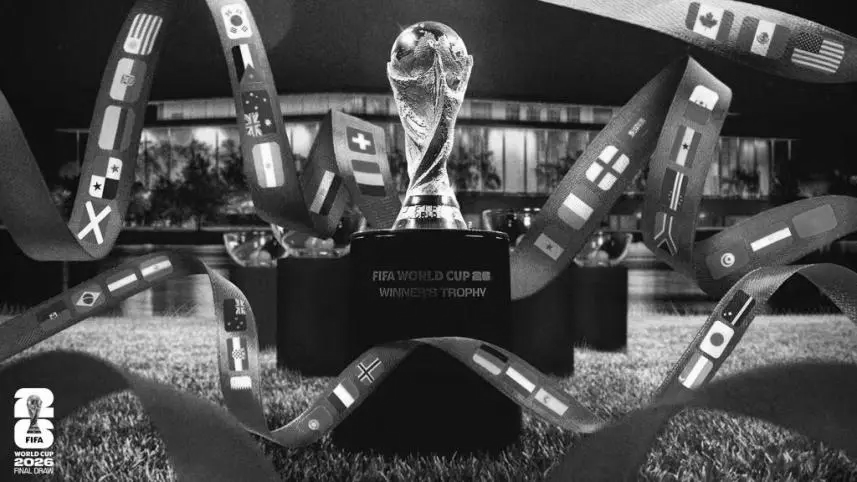
The FIFA World Cup has always been football's grandest stage, but the 2026 edition promises to take the spectacle to an entirely new level. Spread across three host nations , featuring a record 48 teams and an unprecedented 104 matches , the tournament is set to become the biggest World Cup in history.
Hosted jointly by the United States, Canada and Mexico , the competition marks the first World Cup under FIFA's expanded 48 team format . The change has transformed the tournament's structure, adding more teams, more matches and greater global representation than ever before. Beyond the sporting impact, the expansion is also reshaping the economics of the game, creating fresh opportunities through broadcasting, sponsorships, ticket sales and tourism while giving emerging football nations a greater chance to compete on the world's biggest stage.
Over a span of 39 days , football fans will witness action across 16 stadiums , with 11 venues in the United States, three in Mexico and two in Canada. The expanded format has increased the number of matches from 64 in previous editions to 104, creating a football festival unlike anything seen before.
The scale of participation is equally remarkable. A record 1,248 players from 449 clubs across 71 countries have earned places in national team squads. While 357 players arrive with previous World Cup experience, nearly 900 players will be making their debut on football's biggest stage, underlining the tournament's growing global footprint.
Club football's influence is visible throughout the competition. Manchester City leads all clubs with 19 players in the tournament, followed closely by Bayern Munich , while England remains the country contributing the highest number of players through its domestic leagues. Major League Soccer (MLS) will also enjoy record representation, reflecting football's continued growth in North America.
The tournament will once again feature some of the sport's greatest names. Cristiano Ronaldo , the most capped men's international footballer with 226 appearances , is set to join Lionel Messi as one of the very few players to feature in six World Cups . Messi, meanwhile, arrives with the record for most World Cup appearances and remains within reach of several other historic milestones.
One of the most intriguing statistical races will revolve around goals. Germany legend Miroslav Klose's all time World Cup record of 16 goals could come under threat, with Messi and France superstar Kylian Mbappé among the leading contenders to close the gap.
History suggests that winning the World Cup remains one of sport's most difficult achievements. Only eight nations have lifted the trophy, with Brazil leading the way with five titles . Remarkably, only Brazil and Italy have successfully defended their crowns, highlighting the challenge of staying at the summit of world football.
Brazil's consistency remains unmatched. The South American giants are the only nation to have appeared in every World Cup since 1930 and continue to hold records for victories, goals scored and overall goal difference in the competition's history.
The 2026 edition will also usher in new stories. Cape Verde, Curaçao, Jordan and Uzbekistan are all set to make their World Cup debuts , expanding the list of nations that have appeared at the tournament to 84. Their presence reflects FIFA's efforts to broaden football's reach and provide more opportunities for emerging football nations.
Records could tumble elsewhere too. A total of 2,720 goals have been scored across the first 22 World Cups, and with 40 additional matches on the schedule, the overall scoring record for a single tournament is expected to be surpassed.
Generations will collide throughout the competition. Scotland goalkeeper Craig Gordon , aged 43, will be among the oldest players at the tournament, while Mexican teenager Gilbert Mora , just 17, represents the next generation hoping to leave a mark on football's biggest stage.
From legendary stars chasing one final triumph to debutants experiencing the World Cup dream for the first time, the 2026 World Cup promises to be far more than just another edition of football's showpiece event. It is a reflection of the sport's expanding global influence , its growing commercial power and its enduring ability to unite nations through the world's most popular game.