
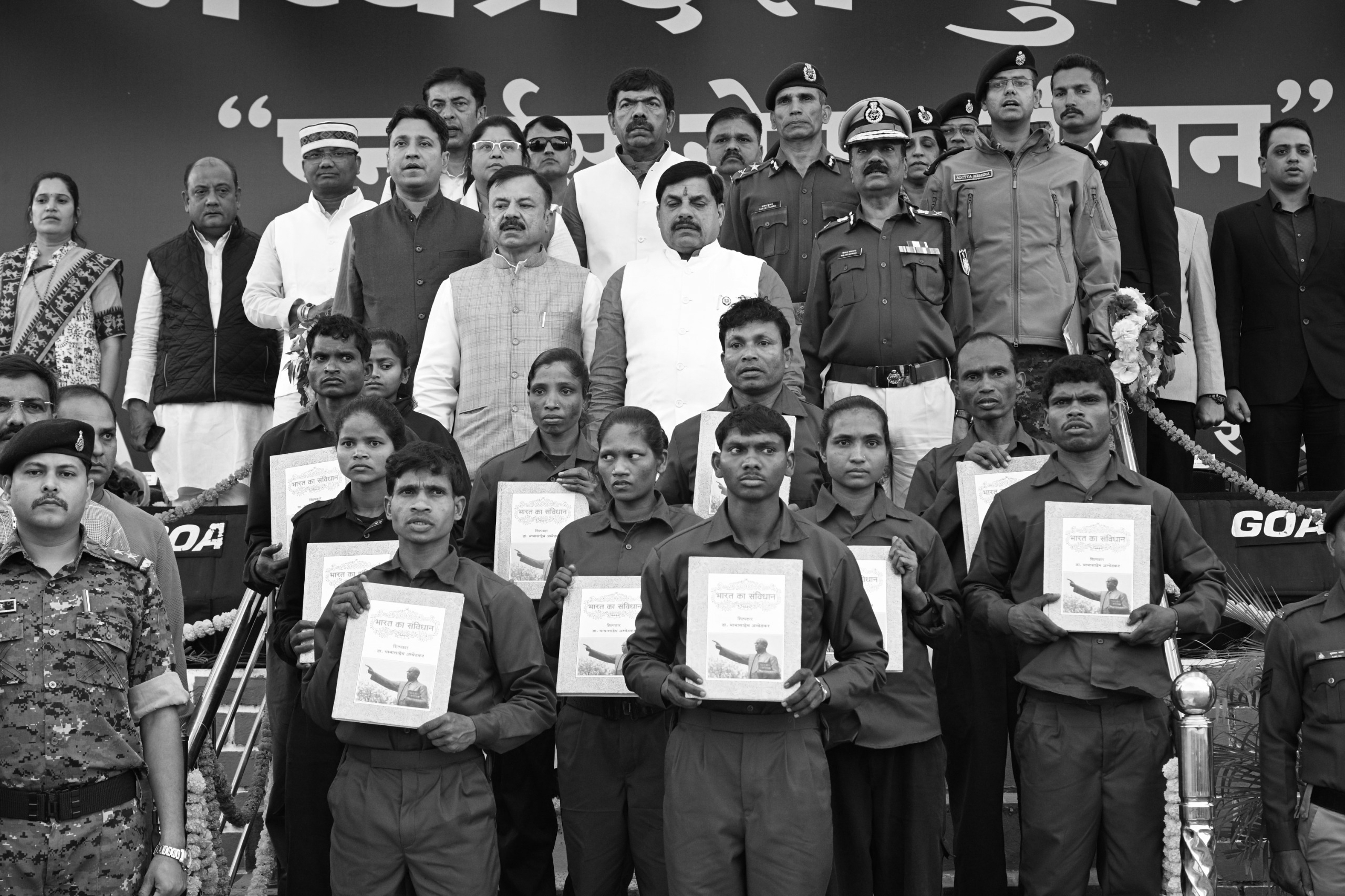
7,400 Naxals arrested since 2019 as LWE violence down 88% since 2010: Govt
Left Wing Extremism (LWE) has been one of India’s most persistent internal security challenges, rooted in a violent insurgency that began with the Naxalbari uprising in 1967 . Over the decades, the movement spread across tribal and forested regions of central and eastern India, driven by Maoist ideology and grievances related to land, displacement and lack of development. Several extremist groups later merged to form the Communist Party of India (Maoist) in 2004, giving the insurgency a more organised structure.
At its peak around 2010, LWE affected over 125 districts across 10 states , with frequent attacks on security forces, infrastructure and civilians. Since 2019, more than 7,400 Naxals have been arrested and 5,880 surrendered . In 2025 alone, security forces neutralised 364 Naxals, arrested 1,022, and facilitated 2,337 surrenders . LWE incidents fell by 88 per cent , from 1,936 cases in 2010 to 234 in 2025.
The scale of violence prompted the Union government to recalibrate its response, moving away from a purely security-centric approach to a multi-pronged strategy combining enforcement with development and governance reforms. The Centre, in coordination with affected states, enhanced deployment of Central Armed Police Forces, improved intelligence sharing, and launched specialised units such as CoBRA battalions. Surrender and rehabilitation policies were strengthened to encourage militants to return to the mainstream, while focused efforts were initiated to choke the financial networks supporting extremist activities.
While law and order remains a state subject, Centre–State cooperation has played a crucial role in recent years. The Union government provided operational support, funding for security-related expenditure, and assistance for infrastructure creation, while state governments intensified local policing, community engagement, and development delivery in remote areas. Unified command mechanisms and joint operations further improved coordination on the ground.
Alongside security measures, the government has emphasised development as a key instrument to counter extremism. Initiatives include expanding road and telecom connectivity , improving access to education and skill training, and strengthening financial inclusion in LWE-affected districts. These measures aim to address socio-economic vulnerabilities that extremist groups have historically exploited for recruitment.
According to official data, LWE-related violence has declined sharply from its 2010 peak, with the number of affected districts reduced to single digits by 2025. The government maintained that while the threat has not been fully eliminated, it is now largely confined to a few pockets, and sustained security action combined with inclusive development remains essential to prevent any resurgence.