
8th European Nation Rocked By Gen-Z Protest, Germany Erupts in Street Violence
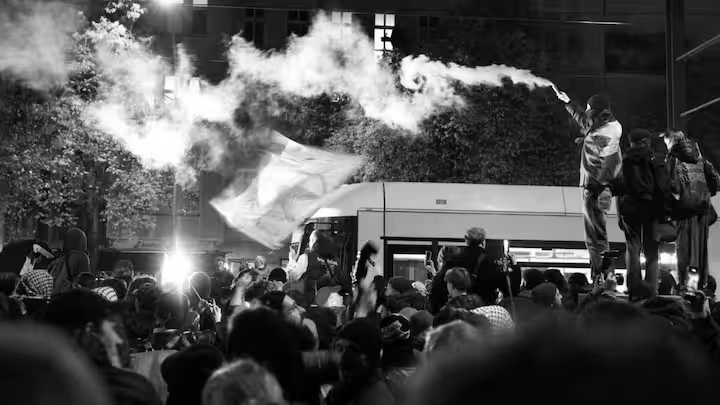
Germany and Switzerland witnessed fresh Gen-Z-led protests over the weekend, as tens of thousands of young people demanded better education, affordable housing, lower living costs and an end to compulsory military service. While most demonstrations remained peaceful during the day, masked groups later triggered riots, looting and clashes with police in Frankfurt, Cologne, Zurich and Basel.
The unrest is part of a growing wave of youth-led demonstrations sweeping Europe, following protests in France, Spain, Portugal, Italy, Albania and the Netherlands. In Germany, the loosely organised movement 'Gen Z regelt', meaning 'Gen Z takes charge', mobilised demonstrations across more than 30 cities on October 31. Organisers estimated over 100,000 participants, although turnout fell short of their target of 182,000. Cities included Berlin, Hamburg, Munich, Frankfurt, Cologne, Stuttgart, Leipzig, Dresden, Hannover, Bremen, Mainz and Erfurt.
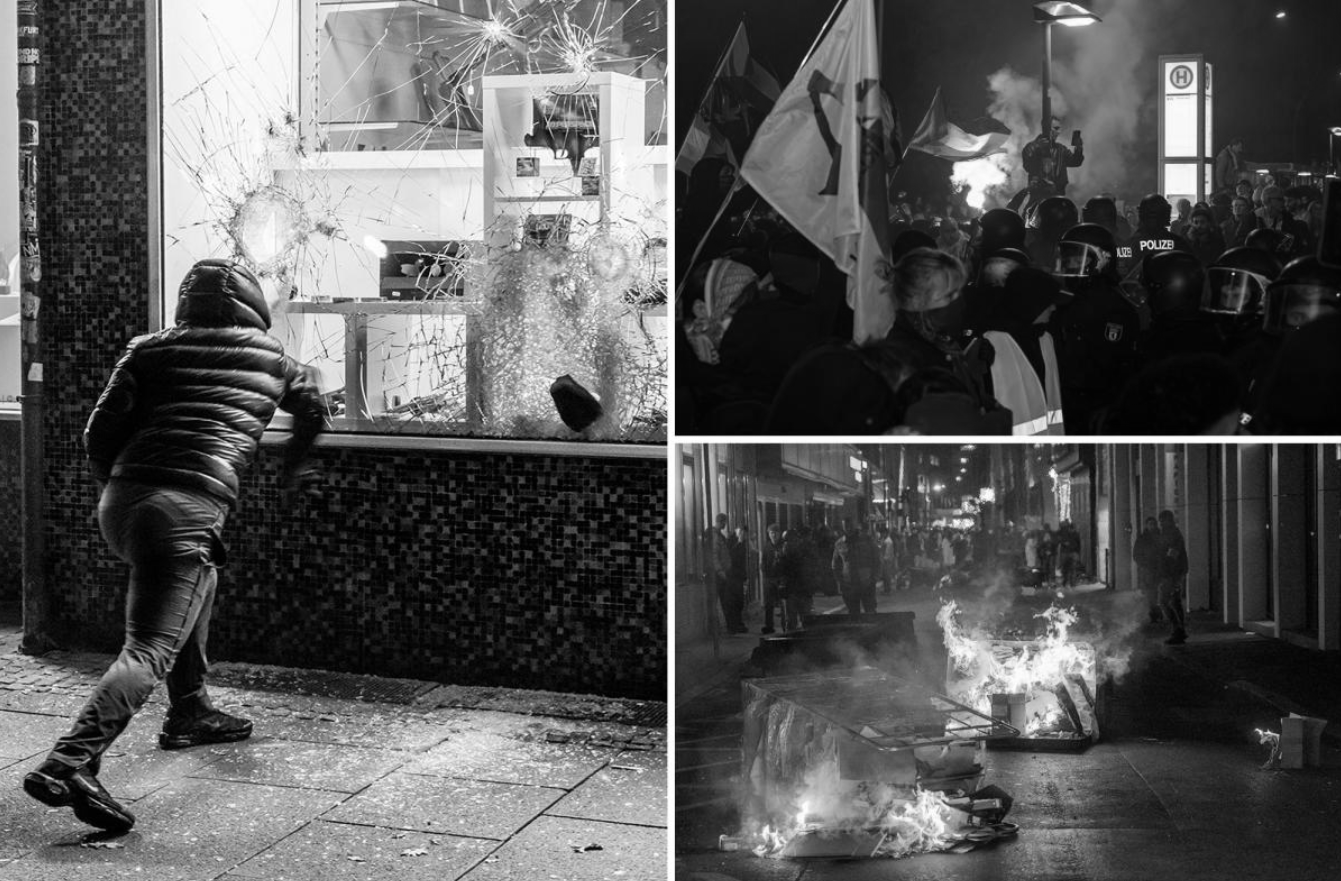
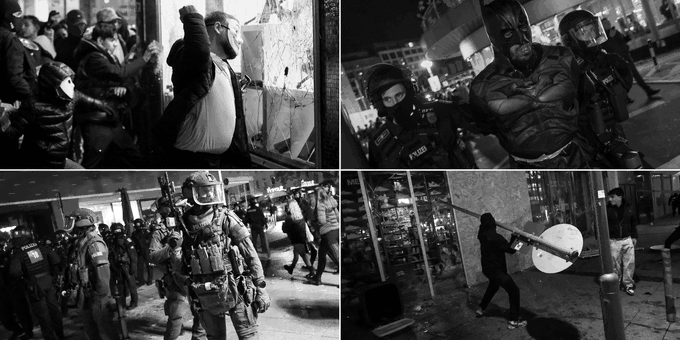
Protesters demanded increased school funding, affordable housing, social justice, climate protection and greater political representation for young people. However, violence erupted after dark. Frankfurt witnessed the worst clashes, with masked groups smashing shop windows, looting stores and attacking police with stones, fireworks and Molotov cocktails. Hesse Interior Minister Roman Poseck said 17 buildings were damaged, including five looted shops, and 54 suspects were arrested. More than 10 officers were injured. In Cologne, 23 officers were injured and five police vehicles damaged. Berlin reported 27 officers with minor injuries, while Hamburg witnessed burning barricades and attacks on police.
The organisers distanced themselves from the violence, insisting that the official demonstrations were peaceful and that the rioters were not part of their movement. German authorities warned that extremist groups could exploit the protests.
Switzerland also witnessed violent demonstrations on Saturday night. In Zurich, hundreds gathered on Langstrasse around 10:30 pm, setting fire to rubbish bins, damaging a bus shelter, burning a car and smashing shop windows. Police used water cannons, tear gas and rubber bullets after officers were attacked with fireworks, bottles and stones. Clashes continued until around 1:30 am. In Basel, approximately 150 people gathered around 9 pm before setting fire to barricades made of rubbish bins and metal fences. However, no organisational connection between the Swiss unrest and Germany's 'Gen Z regelt' movement has been confirmed.
Students have highlighted deteriorating school infrastructure, teacher shortages and broken facilities. A Berlin student described water-damaged ceilings, broken toilets and inadequate teaching staff. Housing affordability has also emerged as a common concern. In Portugal, thousands marched in Lisbon demanding limits on rent increases and changes to eviction laws. In Spain, the eviction of 87-year-old Maricarmen Abascal became a protest trigger, with unions planning a general strike on November 11.
France remains the starting point of the wider protest wave. Demonstrations initially focused on neglected schools, teacher shortages and inequalities in university admissions before expanding into broader opposition to President Emmanuel Macron's leadership and economic policies. Italy, Albania and the Netherlands have also witnessed youth mobilisation. Earlier unrest in Milan resulted in more than 270 arrests and 150 police officers injured. Albanian protesters oppose proposed changes easing tenant evictions and removing rent restrictions. The Hague witnessed a heavy police presence but no major disturbances by Saturday afternoon.
The movement is preparing for further demonstrations, with Europe-wide protests planned for November 20. Student unions in Britain and Italy are also planning action over rising education costs. Major unions in France and Spain have called general strikes for November 5 and November 11, respectively.