
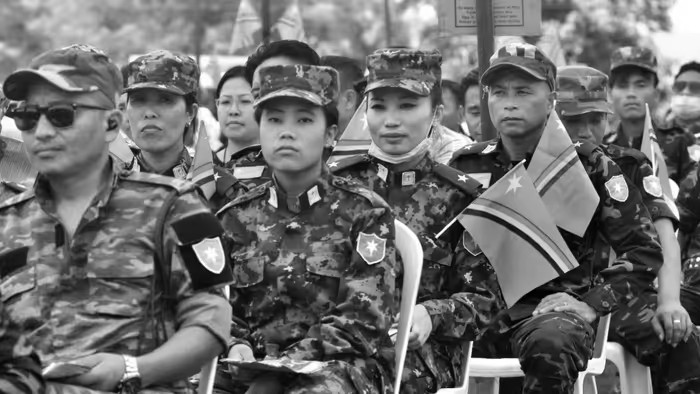
A Decade After Accord, NSCN-IM Accuses Centre of Delaying Naga Settlement
As the Framework Agreement completed 10 years, NSCN-IM chairman Q Tuccu reiterated that the August 3, 2015 pact with the Government of India remains the foundation for resolving the Naga political issue and accused the Centre of slowing the peace process by delaying a final agreement. In a commemorative address issued from the organisation's Council Headquarters at Hebron, Tuccu paid tribute to late leader Isak Chishi Swu, General Secretary Th Muivah, and other senior figures, crediting their leadership with bringing the Naga political issue to negotiations at the prime ministerial level.
According to Tuccu, the agreement recognises the Nagas' unique history, acknowledges their political identity, and envisages a new relationship based on peaceful coexistence. He also said it upholds Naga rights over land and resources while proposing a Naga Regional Territory Council (NRTC) for Naga-inhabited areas outside Nagaland until the broader integration issue is resolved.
Describing the accord as an inclusive framework, Tuccu asserted that it covers all Nagas and all Naga political groups. He warned that any effort to pursue a settlement outside the Framework Agreement would be ineffective and could undermine the peace process.
Expressing concern over the lack of progress since 2015, he alleged that the Centre has delayed implementation and attempted to interpret the agreement in its own favour. He also accused unnamed writers and propagandists of spreading misinformation about its provisions.
Reiterating the organisation's core position, Tuccu said Naga sovereignty, territorial integration, national identity, and the Framework Agreement remain central to NSCN-IM's political stand. He maintained that the unresolved issues of the Naga national flag and constitution should be addressed through bilateral negotiations as part of a comprehensive settlement.
He further alleged attempts to derail the peace process and called upon NSCN-IM cadres, other Naga political groups, and the public to remain united. The Framework Agreement, signed on August 3, 2015, marked a major milestone in the peace process, though a final political settlement remains pending.