
A New Front in India-Pakistan Ties: Pakistan Takes Indus Issue to UN
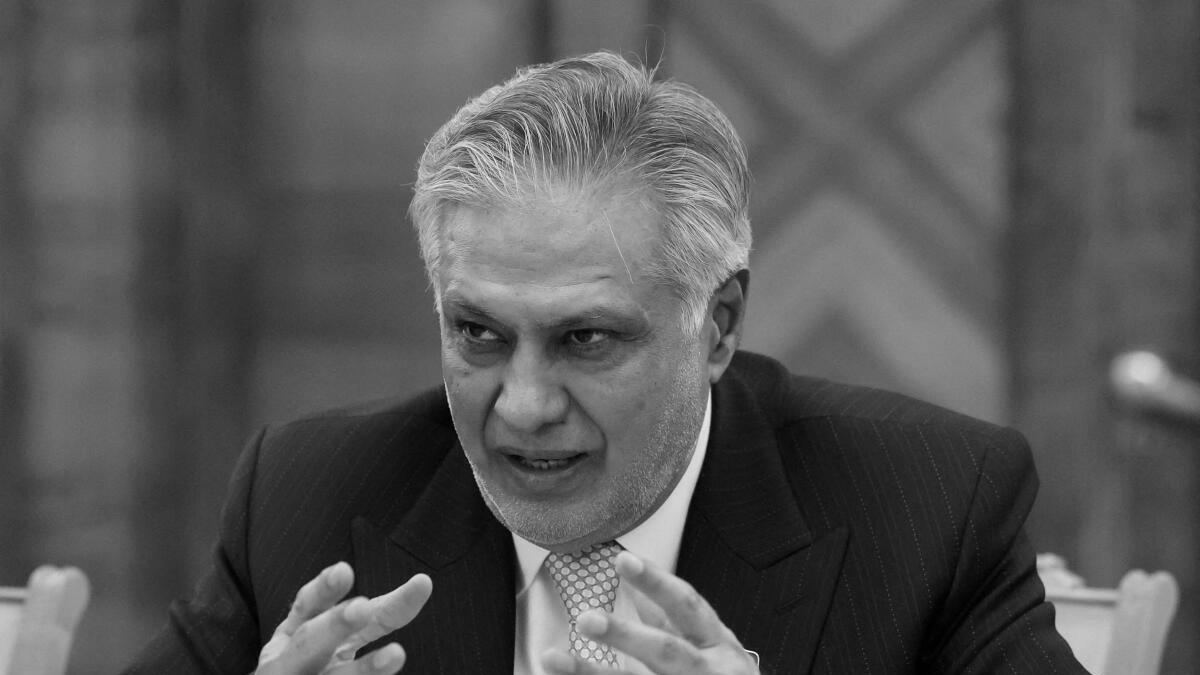
Pakistan has once again taken the Indus Waters Treaty (IWT) issue to the international stage, with Deputy Prime Minister and Foreign Minister Ishaq Dar urging the United Nations Security Council (UNSC) to take note of what Islamabad describes as India's violations of the long standing water sharing agreement.
Pakistan's Permanent Representative to the UN, Asim Iftikhar Ahmad , confirmed that he delivered Dar's letter to UNSC President Leonor Zalabata Torres , outlining Islamabad's concerns regarding recent developments linked to the treaty and water infrastructure projects on the Chenab River .
According to Ahmad, the communication sought to draw the Security Council's urgent attention to two Indian projects that Pakistan believes could have implications under the treaty framework. He also briefed the UNSC president on the broader situation in South Asia, reflecting Pakistan's efforts to keep the issue on the international diplomatic agenda.
The latest outreach comes amid continuing tensions over the Indus Waters Treaty , a landmark agreement brokered by the World Bank in 1960 to regulate the sharing of waters from the Indus River system and its tributaries between India and Pakistan. For more than six decades, the treaty has been regarded as one of the most durable agreements between the two neighbours despite periods of political and military strain.
However, the treaty entered a new phase of uncertainty after it was suspended following the Pahalgam terror attack in April 2025, in which 26 civilians were killed. Since then, disagreements over water management and infrastructure projects have become a fresh source of friction between the two countries.
This is not the first time Pakistan has approached the Security Council on the matter. Dar had sent a similar letter to the UNSC president in April, seeking international attention to Islamabad's concerns regarding the treaty and related developments.
The renewed diplomatic move underscores the growing significance of water security in India-Pakistan relations, with the Indus basin remaining a critical lifeline for millions of people on both sides of the border. As Islamabad presses its case at the United Nations, the treaty's future and the broader regional implications of the dispute are likely to remain under close international watch.