
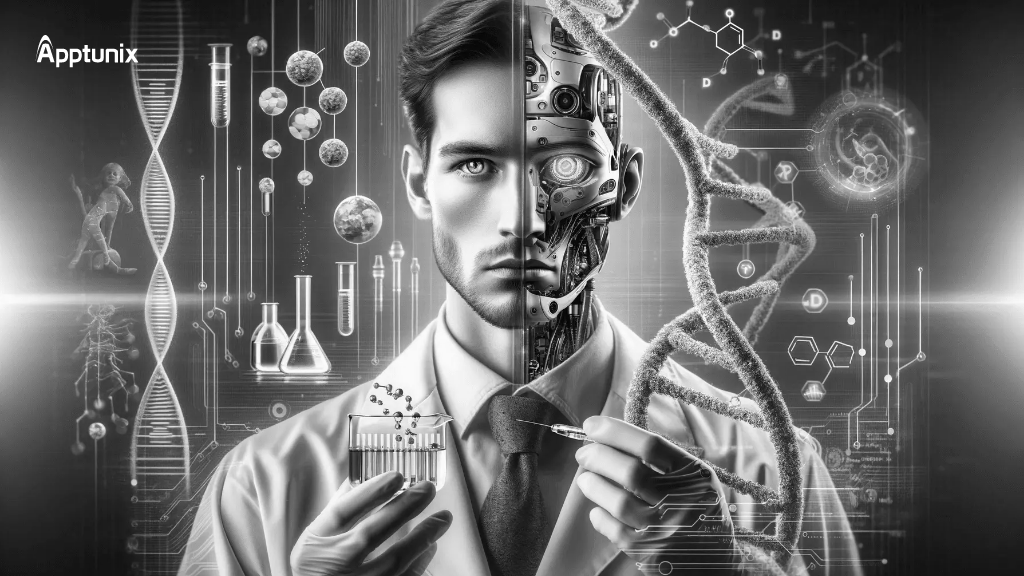
AI Can Transform Medicine, But It Cannot Replace a Doctor’s Judgement
Artificial intelligence is changing healthcare, from diagnosis and imaging to surgery and precision medicine. Yet, its capabilities make one principle important: AI should assist doctors, not replace clinical experience, human judgement and compassion.
Speaking at the sixth Foundation Day of the Department of GI Surgery, HPB and Liver Transplant at PGIMER, Chandigarh, Director Prof. Vivek Lal described AI as “the new nuclear power” and called for its ethical use. He cautioned clinicians against becoming dependent on technology, stressing that AI must remain a tool supporting clinical decision-making.
AI can analyse datasets,* helping doctors detect lesions, interpret imaging, guide targeted biopsies, predict clinical outcomes and support diagnosis. In surgery, AI-powered visualisation and robotic technologies can potentially improve planning, precision and safety. Its ability to integrate patient information could also advance *personalised and patient-centric care.
However, algorithms cannot reproduce the practical knowledge doctors acquire through years of treating patients. Clinical experience helps physicians recognise unusual presentations, weigh competing risks and adapt decisions to individual circumstances. AI recommendations may also be affected by incomplete data, hidden biases or errors, making human oversight essential.
The technology raises ethical and legal questions as well. If an AI-assisted recommendation contributes to a harmful outcome, responsibility could involve the doctor, hospital, developer or multiple parties. Accountability frameworks, rigorous validation, standardisation and regulation are therefore necessary.
Privacy and informed consent are important because medical AI relies on sensitive patient data. Systems must protect information while ensuring that patients understand how AI may influence their care.
Most importantly, healthcare is human. Patients facing serious illness need empathy, reassurance and emotional support qualities technology cannot reproduce. As Prof. Lal emphasised, human emotion remains a defining strength of natural intelligence.
The future is therefore not AI replacing doctors, but AI augmenting doctors. Used responsibly, it can expand clinical capabilities while leaving final judgement, accountability and compassionate care with professionals. This balance can help technology make healthcare more accurate , efficient and personalised without allowing algorithms to displace the human relationship at medicine’s core.