
Aid Groups Sound Alarm as Venezuela's Hospitals Reach Breaking Point After Twin Quakes
Nearly a week after two powerful earthquakes struck northern Venezuela , the country is facing a rapidly worsening humanitarian crisis as hospitals struggle to cope with a surge in patients, rescue efforts slow down, and fears of disease outbreaks continue to grow. Aid organizations have warned that the country's already fragile healthcare system is operating beyond its limits, raising concerns that the disaster's impact could deepen in the coming weeks.
According to the latest official figures, the earthquake death toll has climbed to 1,943 , while 10,571 people have been injured . The government says more than 15,800 people have been displaced , but humanitarian agencies believe the actual number of affected people is much higher. Civilian run missing persons databases currently list over 43,000 people as missing , although authorities have not released an official missing count. Satellite assessments by NASA also estimate that nearly 59,000 buildings have been damaged or destroyed, suggesting that hundreds of thousands of people may have been affected.
The World Health Organization (WHO) says Venezuela's healthcare system, weakened by years of economic hardship and underinvestment, is now under extreme pressure . Authorities report that 38 hospitals suffered damage during the earthquakes. Of the 21 hospitals assessed by WHO teams, three are no longer operational , while several others continue to function despite structural damage and severe shortages of medical staff, medicines and equipment. Many specialist doctors remain unaccounted for, making emergency treatment even more difficult.
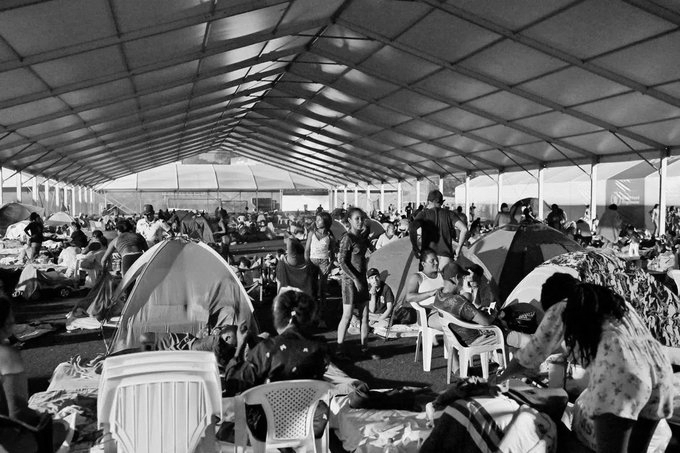
Health experts are increasingly worried about the risk of infectious disease outbreaks . Thousands of displaced families are living in overcrowded shelters, parks and temporary camps without proper sanitation, clean water or hygiene facilities. WHO officials have warned that these conditions could lead to the spread of diseases such as measles, dengue, malaria and yellow fever , especially in areas with low vaccination coverage.
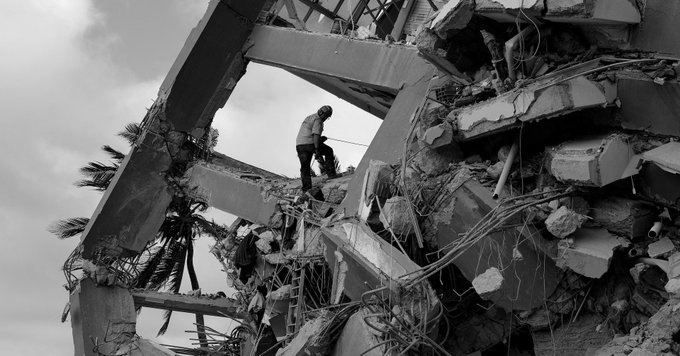
Rescue operations have slowed considerably as the critical survival window closes. Officials said more than 5,380 people were rescued during the first two days after the earthquakes, but only a handful of survivors have been found in recent days. One of the few moments of hope came when rescuers pulled a toddler alive from the rubble after being trapped for six days .
International relief efforts have expanded, with the Red Cross , the World Food Programme (WFP) and United Nations agencies distributing food, medicines, hygiene kits and emergency supplies across the worst hit areas. UNICEF estimates that nearly 680,000 children now require humanitarian assistance. As rescue operations gradually shift toward recovery, aid agencies continue to urge faster international support, warning that without stronger healthcare and relief efforts, Venezuela risks facing a second crisis driven by disease, displacement and prolonged humanitarian suffering.