
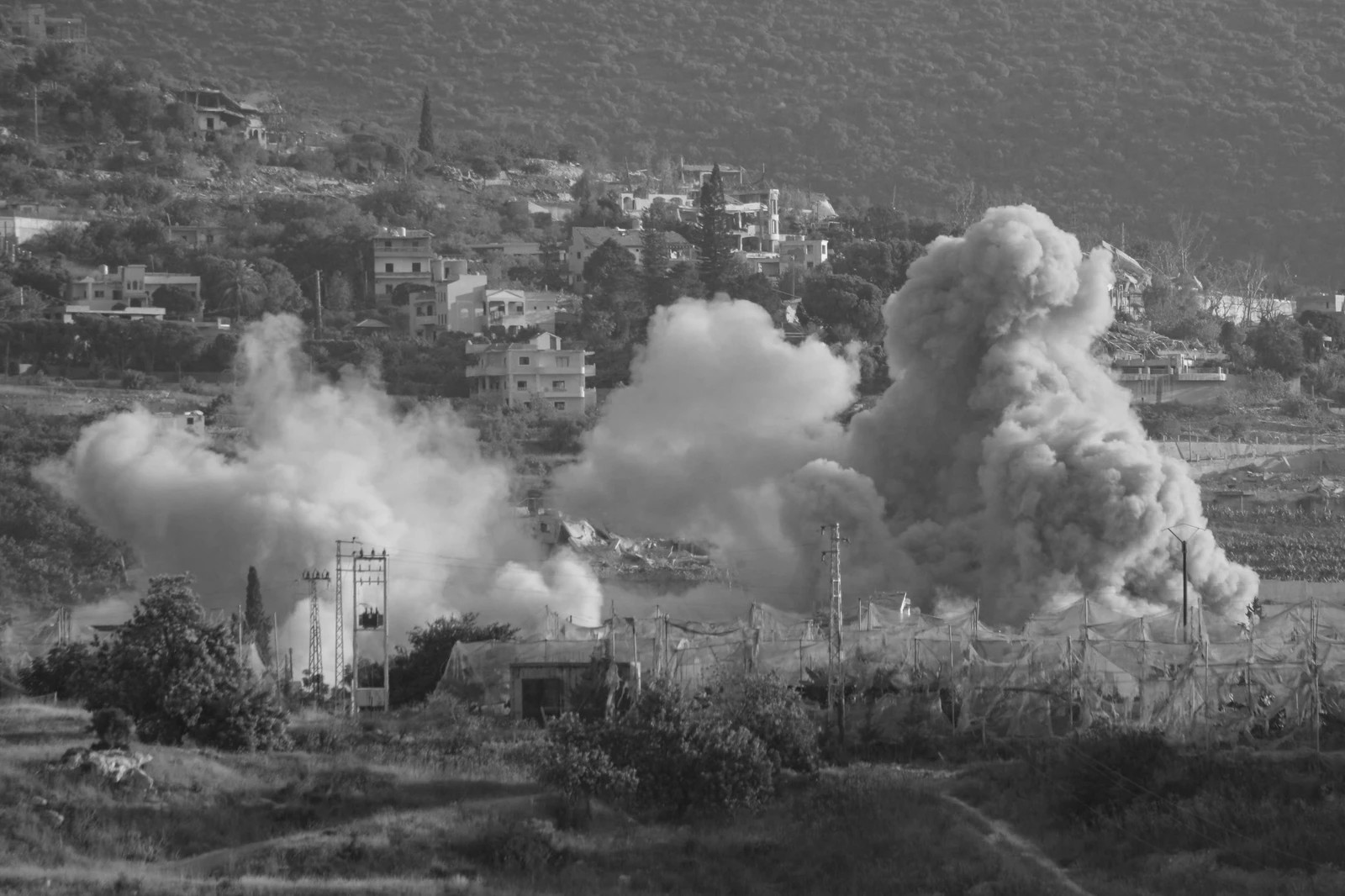
Ali Taher Hill Emerges as a Key Israel Hezbollah Battleground
The battle for Ali Taher hill has become a crucial test of whether the Israel-Hezbollah ceasefire can develop into a political settlement. The ridge, overlooking villages and roads leading to Nabatiyeh, has remained a flashpoint despite fighting falling elsewhere in Lebanon.
Since July, Israel has intensified shelling, airstrikes around the hill. Hezbollah has repeatedly used explosive drones against Israeli forces. A mid-August drone attack seriously wounded three Israeli soldiers, prompting Israeli strikes that killed 11 people, including women and children. On August 27, Israel struck after reporting two Hezbollah explosive drones, killing one person and wounding six. Hezbollah did not claim responsibility for either attack.
The confrontation escalated in early September. Israel said it had gained “operational control” of Ali Taher and the tunnels beneath it, claiming its troops had cleared Hezbollah fighters and were working to neutralise underground infrastructure. Israel says the network includes command centres, weapons stores, generators and living facilities. However, the extent of Israeli ground control remains disputed, with Lebanese officials saying Israel controls southern entrances while monitoring other areas with drones.
If Hezbollah continues attacking Israeli positions, and Israel responds with broader operations, a localised confrontation could reignite fighting across southern Lebanon. Conversely, Israeli control could strengthen its leverage in negotiations.
Ali Taher is central to the dispute over Hezbollah’s disarmament. The United States has pushed for the Lebanese army to take over the hill, but Hezbollah fears surrendering it could encourage Israel to demand more territory. The group has rejected disarmament north of the Litani River, where the hill lies.
For Israel, controlling the ridge improves its defensive position and could open routes toward other Hezbollah strongholds. It strengthens Israel’s argument that withdrawal must follow Hezbollah’s disarmament. For Lebanon, however, prolonged Israeli control undermines sovereignty and complicates plans for its army to assume security duties in Lebanon.
Thus, Ali Taher could either become a bargaining chip for a negotiated transition or a trigger for renewed war, delaying Israeli withdrawal and making Hezbollah’s disarmament even harder.