
Andhra Opens New Gold Chapter with ₹405-Crore Jonnagiri Mine
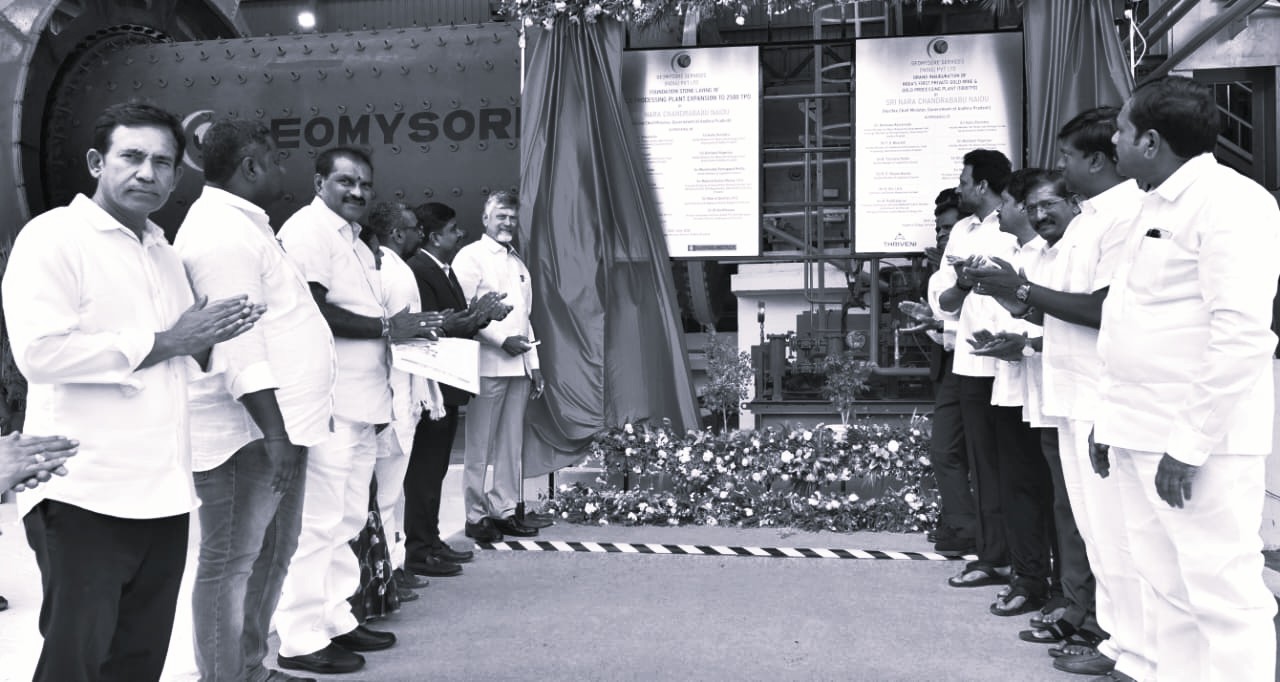
Andhra Pradesh's ambition to emerge as a major industrial and resource-driven economy received a significant boost on Wednesday with the inauguration of the state's first commercial gold mining and processing project at Jonnagiri in Kurnool district. Chief Minister N. Chandrababu Naidu launched the ₹405-crore project, describing it as a milestone in the state's journey towards achieving the vision of "Swarna Andhra 2047."
The project marks the beginning of commercial gold production in Andhra Pradesh and is expected to play a crucial role in accelerating economic activity in the traditionally underdeveloped Rayalaseema region. Along with inaugurating mining operations, the Chief Minister also laid the foundation stone for the project's second phase expansion, signalling the government's intent to build a larger mining and industrial ecosystem around the venture.
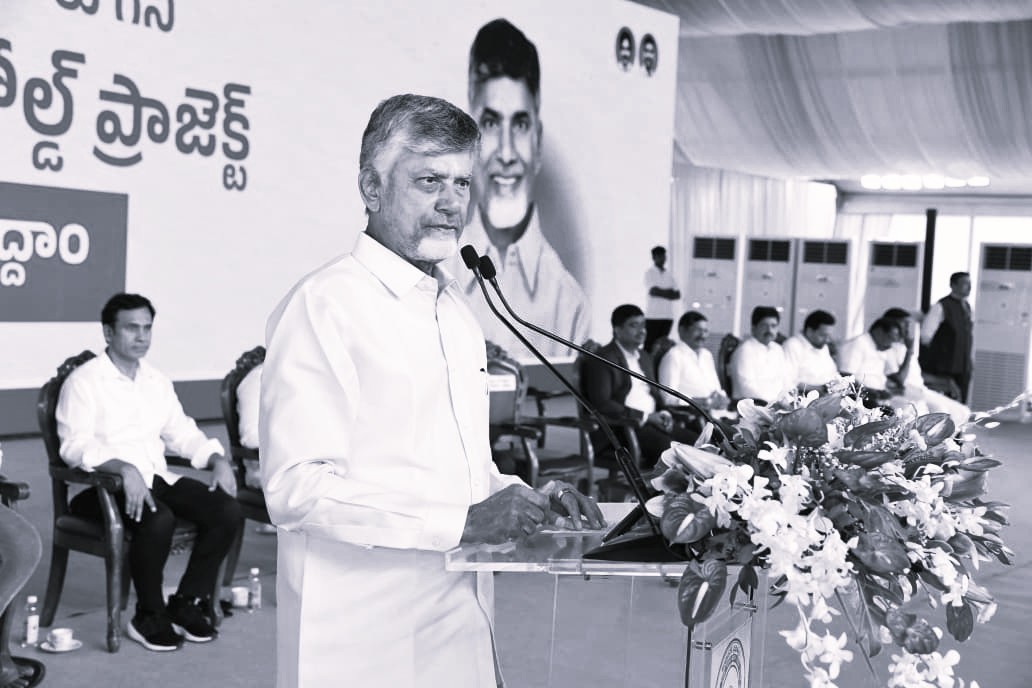
Addressing a public meeting, Chandrababu said the project was more than a mining initiative and represented a new chapter in Andhra Pradesh's industrial history. He noted that India imports nearly 800 tonnes of gold annually , making it one of the country's largest import commodities after crude oil. Increasing domestic production, he said, would help reduce dependence on imports while saving valuable foreign exchange.
Highlighting the region's historical significance, the Chief Minister said Jonnagiri was known as "Suvarnagiri" in ancient times and was associated with the era of Emperor Ashoka . Referring to inscriptions found in nearby Erragudi , he said the area had a long-standing connection with trade, mineral wealth and civilisation. Drawing on Rayalaseema's rich legacy, Chandrababu recalled that the region was once renowned for diamonds, gemstones and precious minerals, adding that even the famed Kohinoor Diamond originated from present-day Andhra Pradesh.
In a symbolic announcement, the Chief Minister proposed renaming Jonnagiri as Suvarnagiri and said he would adopt the village and develop it into a Model Village with modern infrastructure and public amenities.
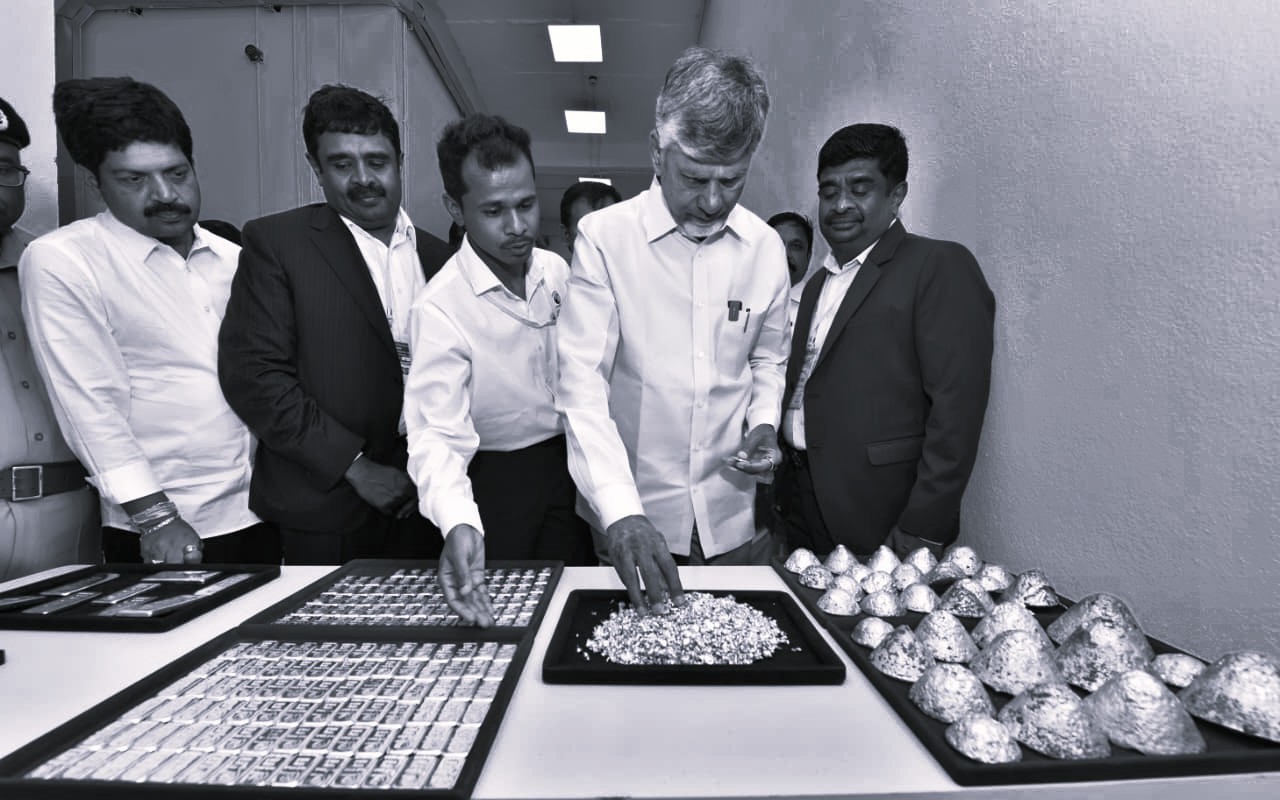
The mine is expected to produce around 400 kilograms of gold in its first year , with annual output projected to increase to nearly 900 kilograms in the coming years. The Andhra Pradesh government will receive a 4 percent royalty on the value of gold extracted, generating substantial revenue for the state exchequer. Officials estimate royalty collections could rise from around ₹57 crore annually in the initial phase to over ₹140 crore as production reaches full capacity.
Industry observers view the project as one of India's most significant private-sector gold mining ventures in recent decades. Developed by Geo Mysore Services and Thriveni Earthmovers , the project has been allocated nearly 1,500 acres, with mining and processing activities currently underway in the first phase.
Looking beyond extraction, Chandrababu announced plans for a modern Jewellery Park near the mining zone to promote local value addition. The initiative aims to create a complete gold value chain—from mining and refining to jewellery manufacturing—thereby generating employment and encouraging entrepreneurship.
The Chief Minister also highlighted Andhra Pradesh's vast mineral resources, including barytes, bauxite, uranium, limestone, granite, iron ore, natural gas and petroleum reserves. He said the government was actively promoting value-added industries based on these resources and reiterated its commitment to transforming Rayalaseema into a major industrial hub.
As part of that broader strategy, Chandrababu announced that he would lay the foundation stone for the proposed Rayalaseema Steel Plant in Kadapa district on July 3. Together with upcoming projects such as the Royal Enfield manufacturing unit in Tirupati and the development of the Kopparthy Industrial Node , the Jonnagiri gold project is expected to strengthen Andhra Pradesh's position as an emerging destination for industrial investment and resource-based growth.