
'Another Hiroshima Is Possible': Mayor's Stark Warning as Hiroshima Marks 81 Years Since Atomic Bombing
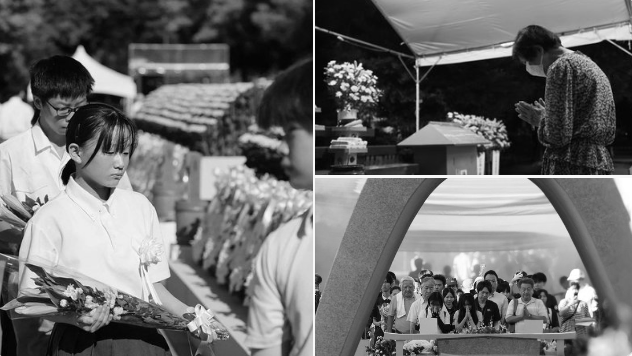
Hiroshima on Thursday commemorated the 81st anniversary of the atomic bombing, with thousands gathering at the Hiroshima Peace Memorial Park to honour the victims and renew calls for a world free of nuclear weapons.
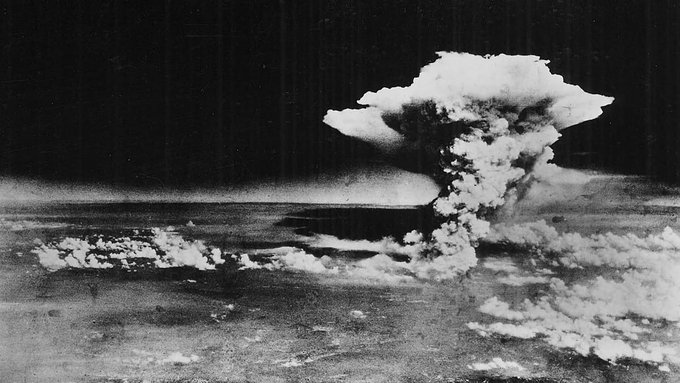
At exactly 8:15 a.m., the moment a US B-29 bomber dropped the atomic bomb on the Japanese city on August 6, 1945, a minute of silence was observed as the peace bell echoed across the memorial park. Around 50,000 people, including representatives from nearly 120 countries and regions, attended the solemn ceremony.
Delivering the annual peace declaration, Hiroshima Mayor Kazumi Matsui warned that the world was moving in a dangerous direction as many nations continued to justify the possession of nuclear weapons under the doctrine of nuclear deterrence. He cautioned that accepting the use of force and overlooking the devastating humanitarian consequences of nuclear arms could trigger cycles of retaliation that may ultimately lead to another tragedy like Hiroshima or Nagasaki.
The mayor urged governments to abandon policies that legitimise nuclear weapons and appealed to ordinary citizens to remember history and actively work toward lasting peace.
Japanese Prime Minister Sanae Takaichi, attending the ceremony for the first time as prime minister, reaffirmed Japan's commitment to preventing the use of nuclear weapons while advocating what she described as a "realistic approach" through the UN nuclear non-proliferation framework. However, she stopped short of pledging continued adherence to Japan's long-standing three non-nuclear principles, amid growing debate over the country's future security policy.
The anniversary comes as Japan faces increasing regional security concerns, prompting discussions about the role of nuclear deterrence. The issue has deeply worried hibakusha, the survivors of the atomic bombings, who fear that the world is drifting away from the dream of complete nuclear disarmament.
The Hiroshima bombing claimed about 140,000 lives, while the second atomic bomb dropped on Nagasaki three days later killed around 70,000 people. Japan surrendered on August 15, 1945, bringing World War II to an end.
Today, only 91,105 survivors remain, with their average age exceeding 86 years, underscoring growing concerns that firsthand memories of the world's first atomic bomb attack may gradually fade with time.