
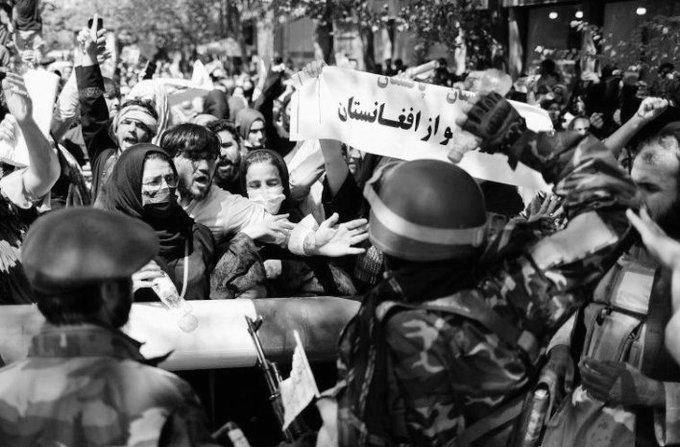
Anti-Hijab Protests in Afghanistan Turn Deadly as Taliban Crack Down in Herat
At least two people were reportedly killed and three others injured after Taliban security forces cracked down on rare anti-hijab protests in the western Afghan city of Herat, where growing anger over the detention of women accused of violating dress codes spilled onto the streets.
The demonstrations were triggered by reports that Taliban morality police had detained women and girls for allegedly failing to comply with the group's strict hijab regulations . Local media reports and rights monitors said at least 21 women and girls had been detained in recent days, while some activists claimed the number could be even higher.
Around 70 to 150 people, including both women and men, joined the protest in Herat's Jebrail area, chanting slogans such as "Education, Work and Freedom." Witnesses said Taliban forces opened fire as they moved to disperse the gathering, while videos circulating online appeared to show armed personnel breaking up the demonstration amid the sound of gunfire.
Residents and activists alleged that some of the women targeted by authorities were already complying with the required dress code, which mandates extensive body and face coverings. They also accused the Taliban of intensifying enforcement after local mosques reportedly announced stricter measures against women showing their faces or wearing makeup in public.
The Taliban denied arresting women for dress-code violations and said the protest had disrupted public order. Officials described the hijab as a religious obligation and dismissed reports of mass detentions as misinformation.
The United Nations Assistance Mission in Afghanistan (UNAMA) expressed concern over the arrests and urged authorities to respect women's rights , freedom of movement and equality before the law. Human rights groups also condemned the use of force against protesters.
The unrest has drawn renewed attention to Afghanistan's deteriorating human rights situation under the Taliban administration , which has imposed sweeping restrictions on women's education, employment and public participation since returning to power in 2021. Observers say the Herat protests, one of the most visible acts of public dissent in recent years, reflect growing frustration with those policies.