
AP Eyes Global Recognition for Dhimsa, Expands Tribal Employment Opportunities
Andhra Pradesh is stepping up efforts to preserve its rich tribal heritage while creating stronger pathways for education, employment and social development among indigenous communities, Tribal Welfare Department Secretary M. Mallikarjuna Naik said.
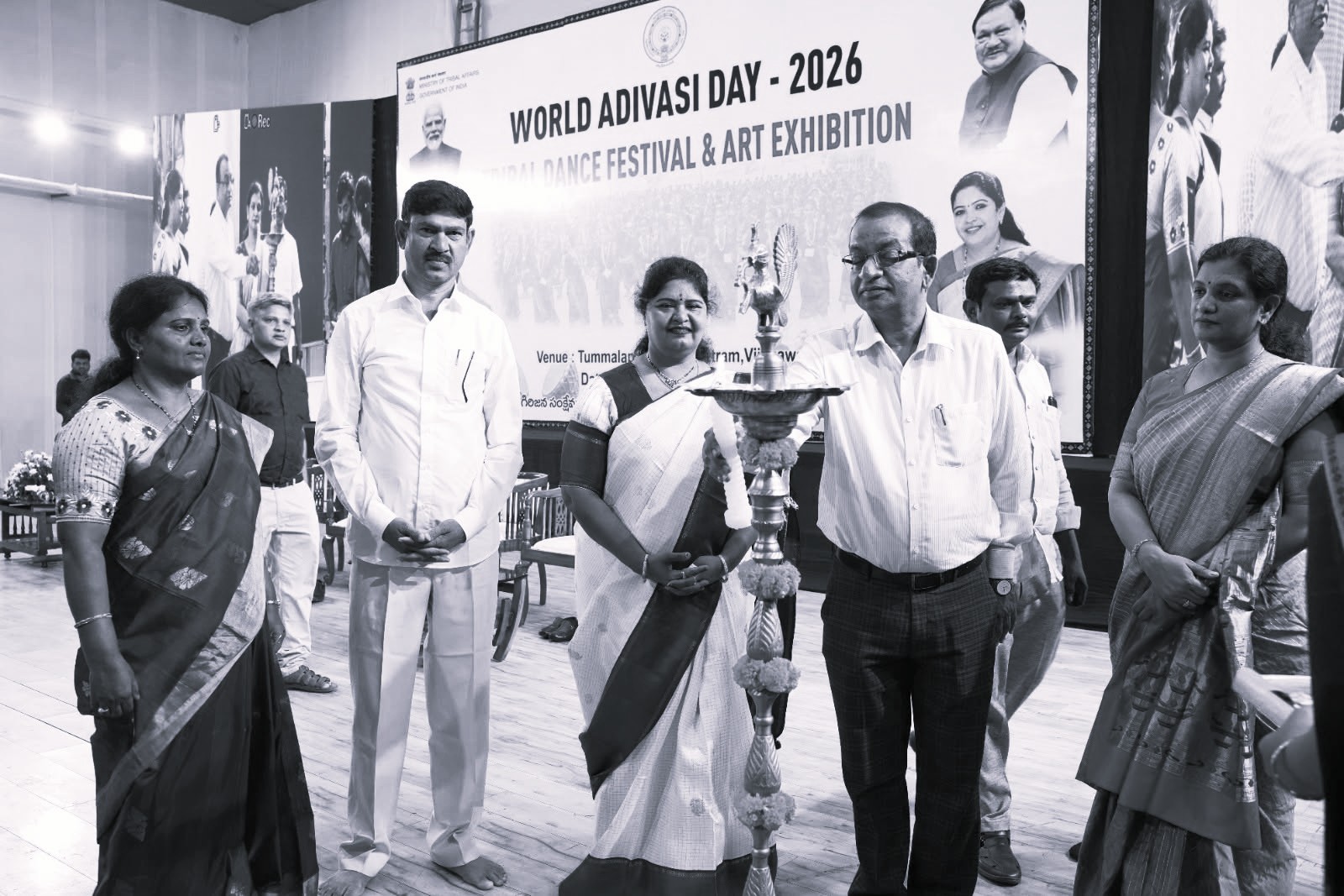
Speaking at the World Indigenous Day 2026 celebrations in Vijayawada, Naik said the government aimed to take tribal art forms beyond regional platforms and secure recognition at the national and international levels. He stressed that preserving cultural identity must go hand in hand with modern education and better livelihood opportunities.
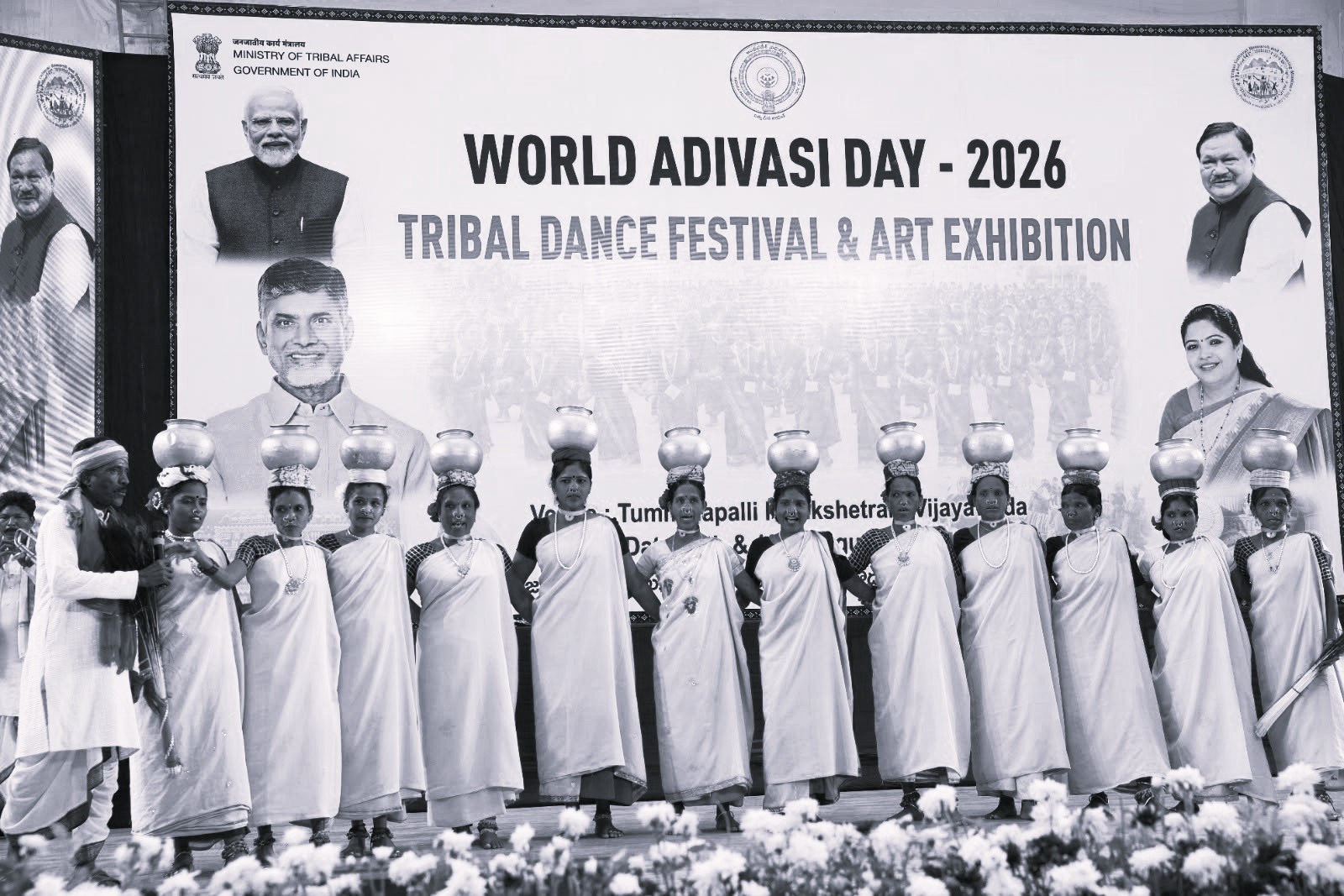
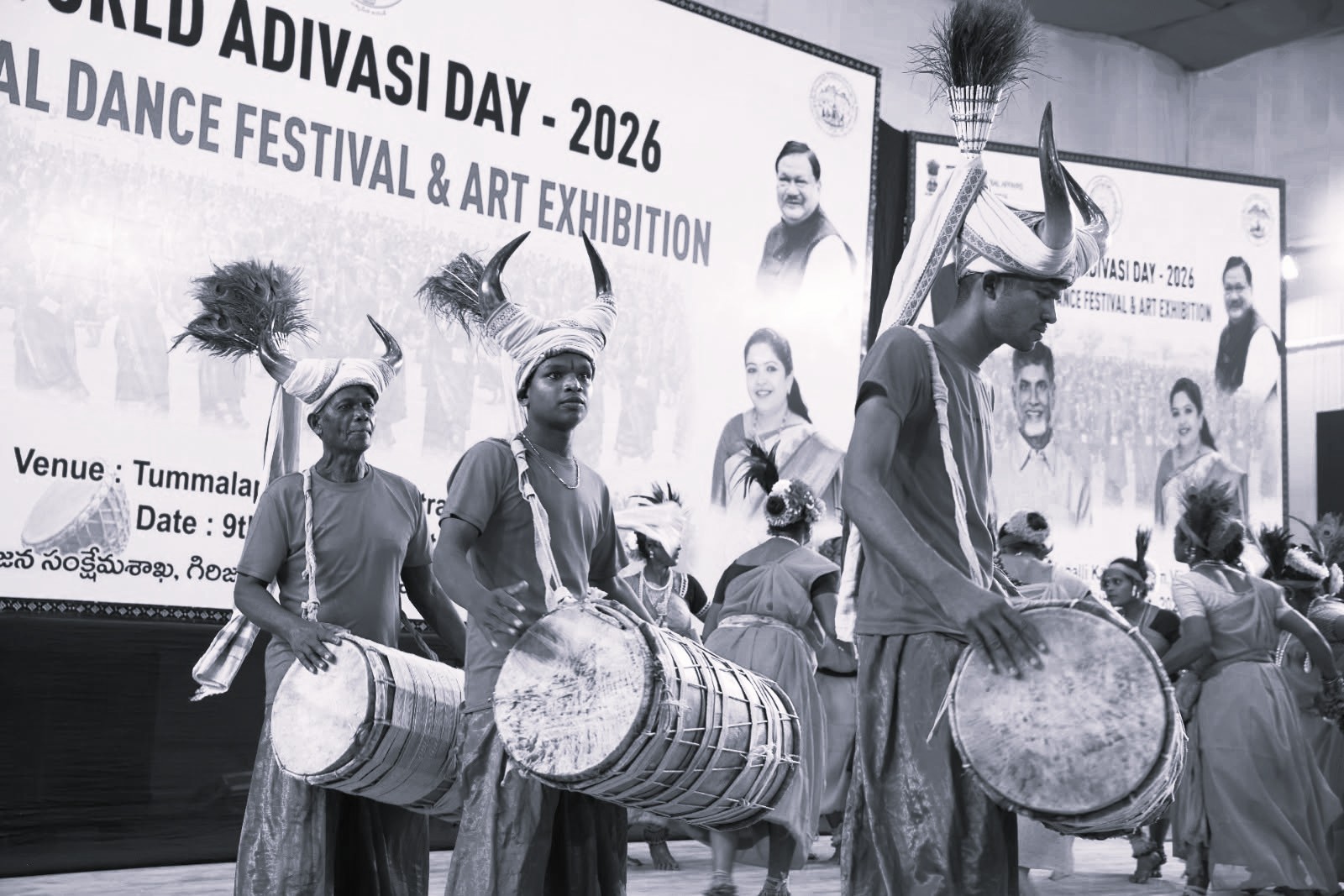
The remarks came during the second day of the Tribal Dance Festival and Art Exhibition at Tummalapalli Kalakshetram, organised by the Tribal Welfare Department and Tribal Cultural Research and Training Mission. Artists and students from different tribal communities showcased traditional dances and art forms.
Naik highlighted efforts that helped Dhimsa dance gain a Guinness World Record and said other tribal art forms also had the potential to achieve global recognition. A comprehensive database of tribal artists will be developed, while traditional musical instruments will be collected and preserved. Emerging artists and trainers will receive specialised support and training.
Dr Mandharani, Director of the Tribal Cultural Research and Training Mission, said initiatives were being implemented across education, healthcare, infrastructure and livelihoods. In collaboration with the Central Institute of Indian Languages, Mysuru, primers and dictionaries in six tribal languages are being developed as e-learning modules. Training is also being provided in terracotta, bamboo products, clay modelling and bead-making.
Gurukulam Secretary Gauthami said admissions in tribal gurukuls had risen by 10% and that the department was targeting further growth. Partnerships with IIT Madras and Physics Wallah are also aimed at helping students pursue higher education.
The festival featured Dhimsa, Chenchata, Kommukoya, Savara and other traditional performances, underlining the government's dual focus on cultural preservation and tribal development.