
AP Launches First Large-Scale Electric Cooking Project at JNTUA
Andhra Pradesh is set to test whether electricity can replace LPG as the primary cooking fuel in large institutional kitchens, with the state launching its first large-scale electric cooking demonstration project. The initiative aims to reduce LPG consumption while assessing the financial, environmental and operational benefits of electric cooking.
The Andhra Pradesh State Energy Conservation Mission (APSECM) and Jawaharlal Nehru Technological University Anantapur (JNTUA) signed an MoU on Monday to implement the project. In accordance with Bureau of Energy Efficiency (BEE) guidelines, APSECM will allocate ₹81.8 lakh during 2026–27 for purchasing, installing, testing and commissioning commercial-scale electric cooking equipment.
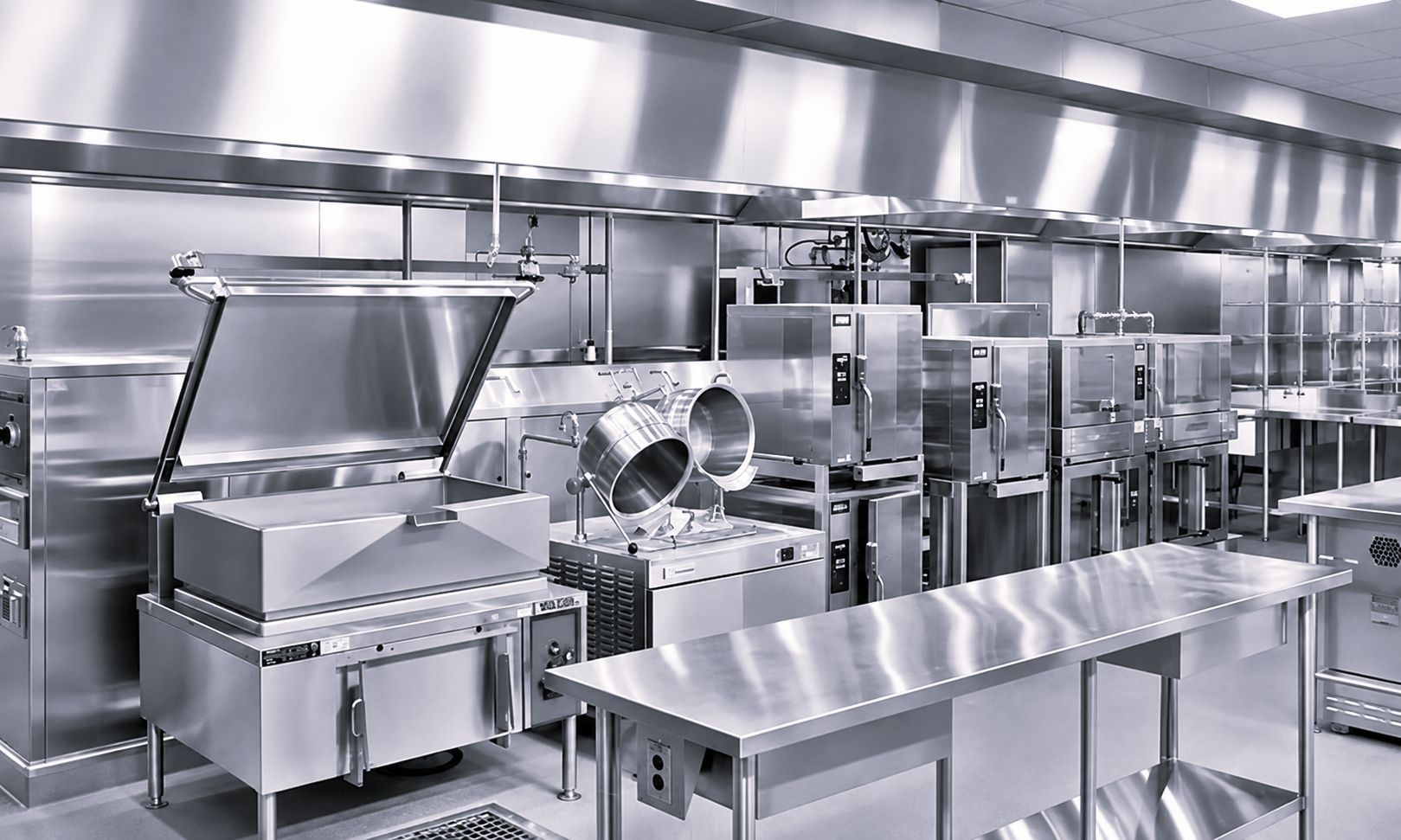
The project will be implemented at the Hampi Hostel central kitchen at JNTUA, where LPG is currently used to prepare meals for around 2,000 students every day. The existing cooking system will be replaced with high-capacity electric equipment. The demonstration will assess the technology’s technical, economic and environmental viability under actual institutional kitchen conditions.
Officials estimate that switching from LPG to electricity could reduce fuel expenditure by approximately ₹33,805 per day. This is expected to generate annual savings of more than ₹1.2 crore, while the investment could potentially be recovered within around 310 days.
The initiative is also expected to deliver environmental gains. Electric cooking could help cut approximately 250 tonnes of carbon dioxide emissions every year, besides supporting pollution reduction, energy security and safer operations in institutional kitchens.
APSECM CEO and APGENCO Managing Director S. Nagalakshmi said electric cooking would be an important component of the country’s clean-energy transition. She noted that reducing LPG dependence could protect institutions from the impact of international fuel price fluctuations and supply disruptions.
If successful, the project could become a benchmark for expansion across Andhra Pradesh, including universities, student hostels, government hospitals and other institutional kitchens.
The project is targeted for completion within five months. JNTUA will complete civil and electrical infrastructure works during the first two months, followed by a three-month tendering and equipment installation phase through the AP e-Procurement Portal, under APSECM’s supervision.