
Apache Downing Sparks US Strikes on Iran, Tehran Retaliates, India Summons US Envoy Over Oman Tanker Attack
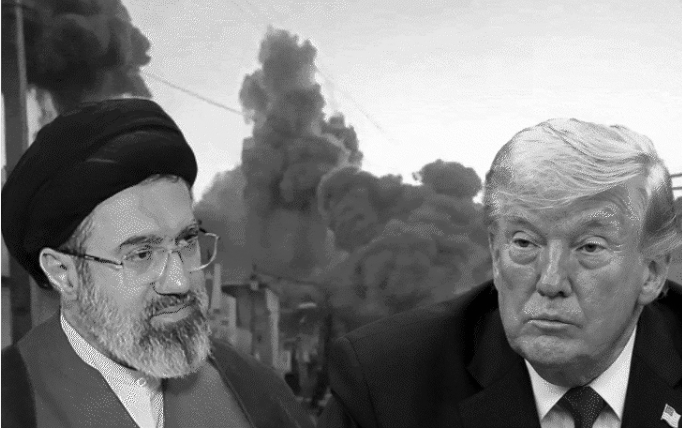
They said the deal was done. Trump declared it would be finalized within two weeks and proclaimed, with characteristic grandeur, "we know peace." History, stubborn as ever, reminded him that peace and bombs do not come along together.
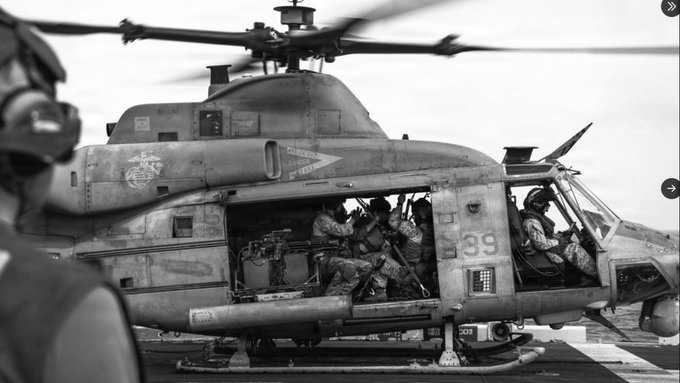
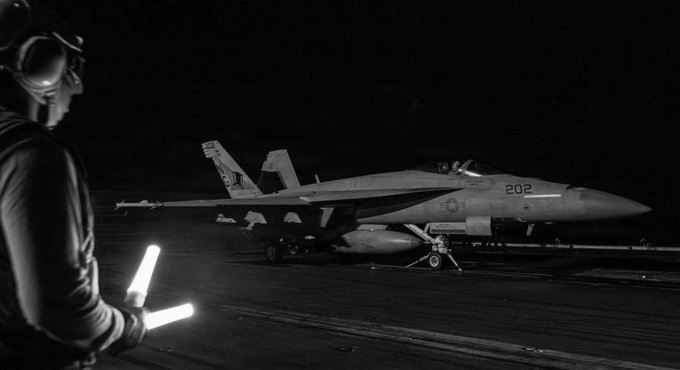
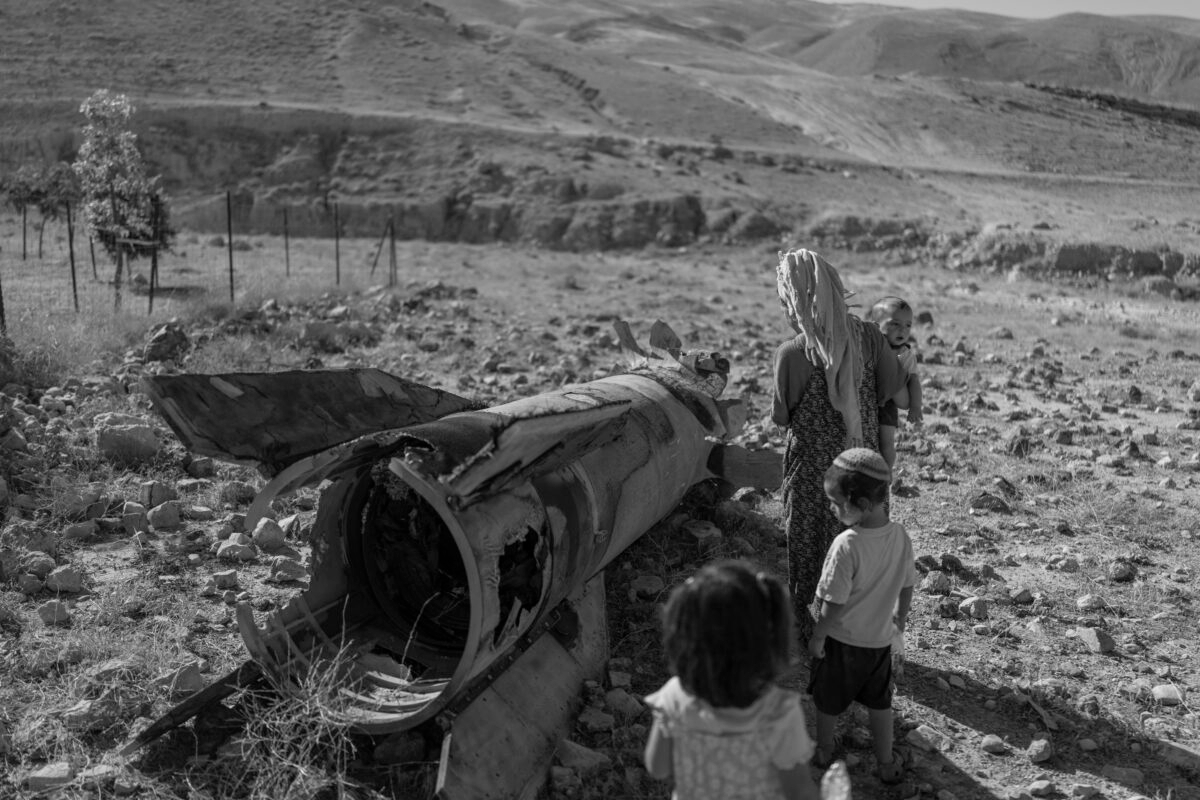
It started with a helicopter. Trump blamed Iran for shooting down a US Apache near the Strait of Hormuz and ordered retaliatory strikes. Explosions tore through Qeshm Island, Sirik, Jask and Bandar Abbas as US Air Force and Navy jets hammered Iranian radar sites, ground control stations and air defence systems. Washington called it, with breathtaking confidence, a " proportional response " to unjustified Iranian aggression. Several blasts were reported in Southern Iran , and the US military then announced a cessation of strikes, as if bombing a country and then saying "we are done" constitutes statesmanship.
Iran said the damage was far worse than Washington admitted. Iranian officials said civilian infrastructure was hit, including water facilities , with telecommunications networks destroyed and two water tanks obliterated , leaving thousands of Iranians without drinking water. Foreign Minister Abbas Araghchi warned Iran would leave no attack or threat unanswered and told foreign military forces near its territory to leave the region if they wanted to be safe.
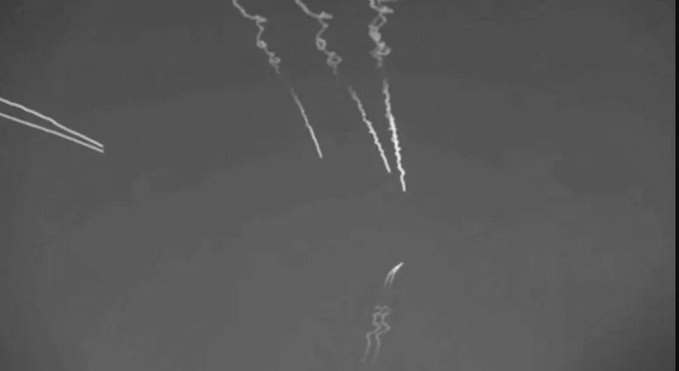
Tehran did not wait long. The IRGC launched drone attacks on the US Fifth Fleet in Bahrain and the Ali Al Salem airbase in Kuwait, as well as long range missile strikes on Al Azraq airbase in Jordan , claiming to have struck 21 US targets and destroying four of them including an F-35 fighter jet hangar. Four sites at Al Azraq were targeted including F-35 hangars and a military command and control centre. Jordan's military said it intercepted and shot down five Iranian missiles , with debris falling on Jordanian territory but causing no casualties. Kuwait confirmed it was engaging hostile aerial targets. Bahrain reported fresh explosions. Iran also warned that American F-35s and military command centers in Jordan remain future targets and that a " crushing and decisive" response awaits any further US aggression.
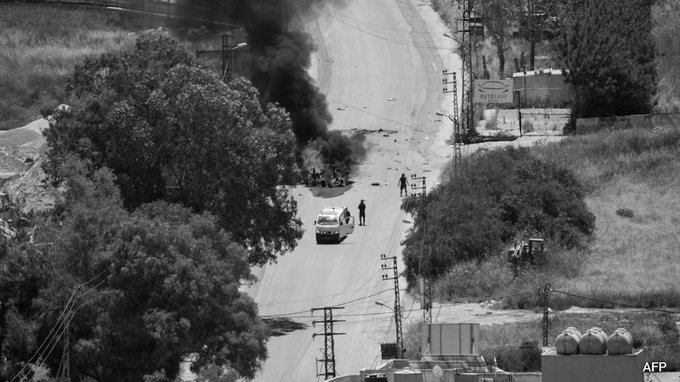
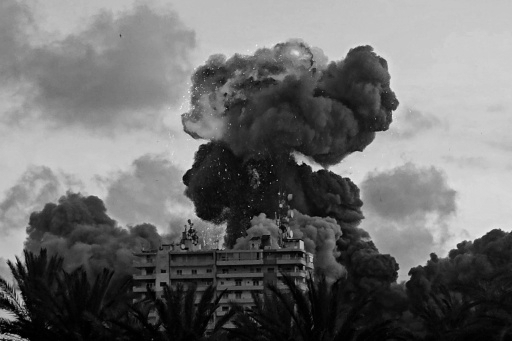
What makes this moment so alarming is the context the bombs are erasing. A Pakistan mediated ceasefire had been holding, however shakily, since April. This week's exchanges are the biggest escalation since that truce took effect. The ceasefire had already cracked just days earlier when Israel struck southern Beirut on June 7 and Iran responded with ballistic missiles, prompting Israeli retaliation in the first direct Iran-Israel confrontation since April. Both sides announced a suspension, and then the Apache came down, and here we are.
Iran's core demand has remained constant throughout: any deal must include Lebanon. Israel refuses. Israel's campaign in Lebanon has killed more than 3,600 people since March alone, and Iran has watched every ceasefire crumble against that wall. A Qatari delegation is currently holding talks with Iranian officials in Tehran, pushing for a peaceful resolution, even as missiles arc overhead. Diplomacy and airstrikes, running in parallel, as if nobody told the bombers about the negotiators.
Defense Secretary Pete Hegseth called the US strikes defensive and warned Iran it would be "unwise" to challenge Washington further. Trump, on Truth Social, declared Iran's military a " complete mess " and said Iran would " pay the price ." Fox News reports Trump is very close to ordering fresh strikes.
On the nuclear front, the New York Times reported Iran agreed to dilute rather than hand over its uranium stockpile . US officials say talks have narrowed to four key issues: a 15 year enrichment suspension, dilution of Iran's uranium, dismantlement of nuclear facilities and expanded IAEA inspection rights. JD Vance says a deal will come "absolutely" before the midterms. The midterms are November 3rd. The Gulf is currently on fire. Iran's Baghaei reminded the world that any diplomatic process is gravely harmed by the use of force, while also insisting Lebanon must be part of any agreement.
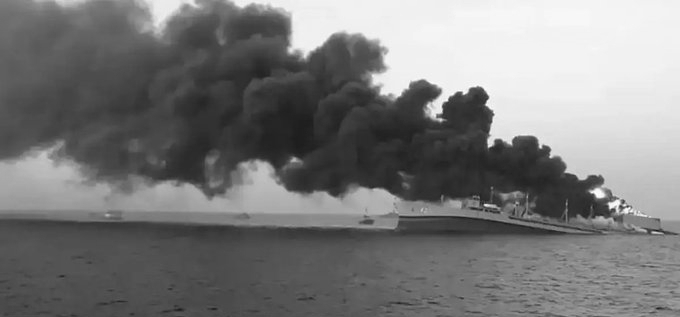
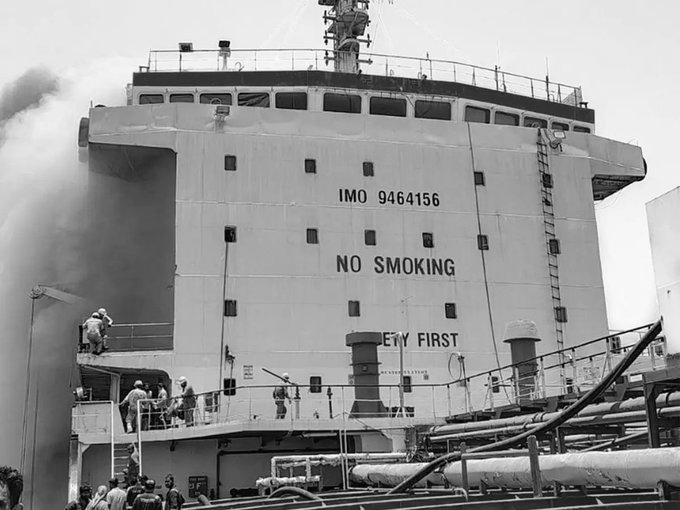
And then there is the Settebello. India summoned US Chargé d'Affaires Jason Meeks and lodged a strong protest after the Palau flagged tanker was struck off Oman, with 24 Indian crew onboard: 21 rescued and 3 still missing. The day before, another Indian crewed vessel, the Marivex , had also been struck. Two tankers, two days, the same crew nationality. New Delhi is furious. CENTCOM defended the strike on the vessel saying it violated the blockade.
The weather forecast for the Strait of Hormuz remains what it has been since February: catastrophic, with a high chance of more bombs and a very slim chance of sense.