
Apple Expands India Footprint, Targets Up to 35% of Global iPhone Production
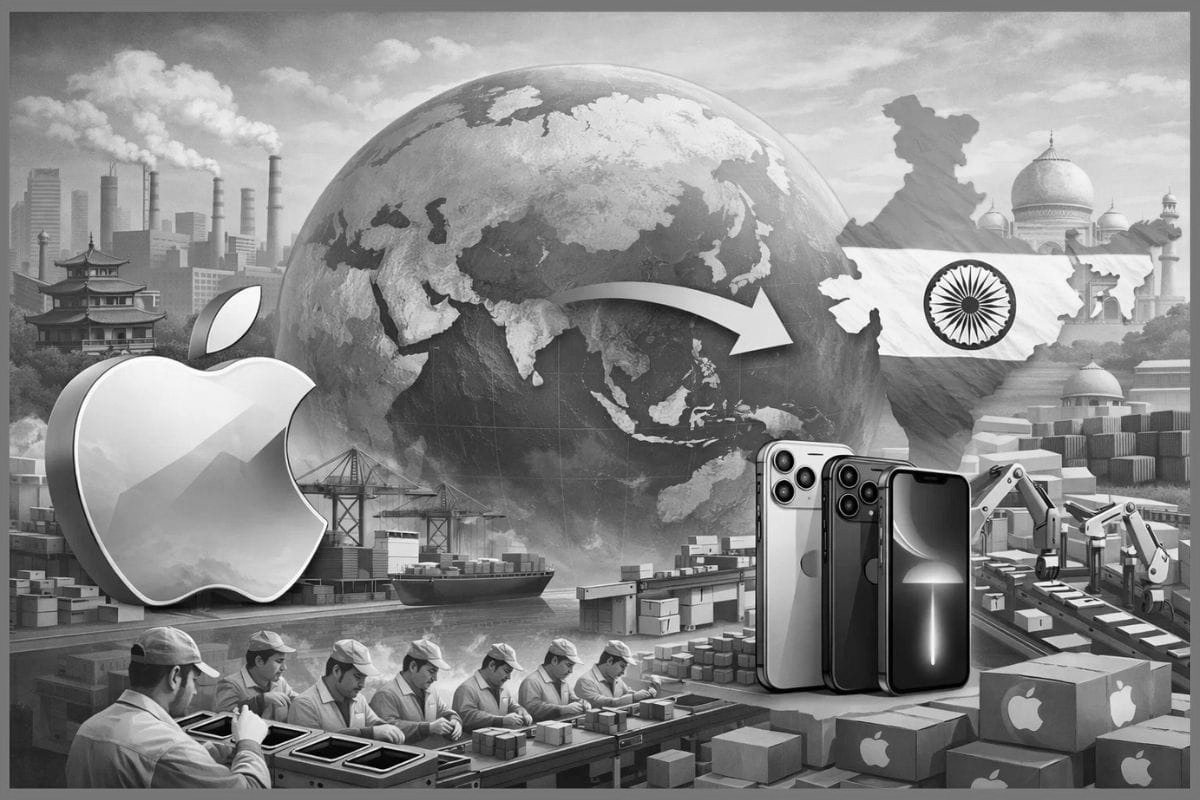
Apple is preparing to deepen its manufacturing footprint in India, with the country’s share of global iPhone production expected to rise from around 25% currently to 30-35% within five years. The expansion could increase the annual value of iPhones produced in India from about $25 billion to $40-45 billion by 2031, strengthening the country’s position in Apple’s global supply chain.
The shift is not simply about finding a cheaper manufacturing base. Production costs in India are estimated to be 5-10% higher than in China, but Apple has been willing to absorb the difference as it seeks greater protection from trade disruptions and reduces its dependence on Chinese manufacturing. US-China trade tensions and tariff uncertainty have made India increasingly important, particularly for iPhones destined for the American market.
Apple’s manufacturing partners are expanding alongside it. Foxconn is considering a site of more than 200 acres near Sanand in Gujarat for a high-end electronics and mobile-phone manufacturing facility, although the location has not yet been finalised. The company already operates major manufacturing facilities in India, while Tata is also part of the country’s growing iPhone production network.
India’s appeal is being strengthened by government policy. New proposals could extend tax exemptions for foreign companies supplying machinery and equipment to Indian contract manufacturers until 2041. Similar relief could cover the storage and supply of components through customs-bonded facilities, offering greater long-term tax certainty to Apple and its suppliers.
Yet India still faces challenges in matching China’s manufacturing depth. China has a much larger network of component suppliers, specialised tooling companies and skilled electronics workers. India continues to depend on imported components and is still developing the sub-assembly and supplier ecosystem needed for deeper domestic production.
For Foxconn, therefore, the strategy appears less like an exit from China and more like a “China-plus-one” model. India is emerging as a second major production pillar while China remains central to the global electronics supply chain.
The result could be significant for India, bringing greater exports, employment, component manufacturing and investment, provided the country can build the ecosystem needed to support the next stage of growth.