
Asian Development Bank Approves ₹15,900 Crore for India's Cities and Rooftop Solar
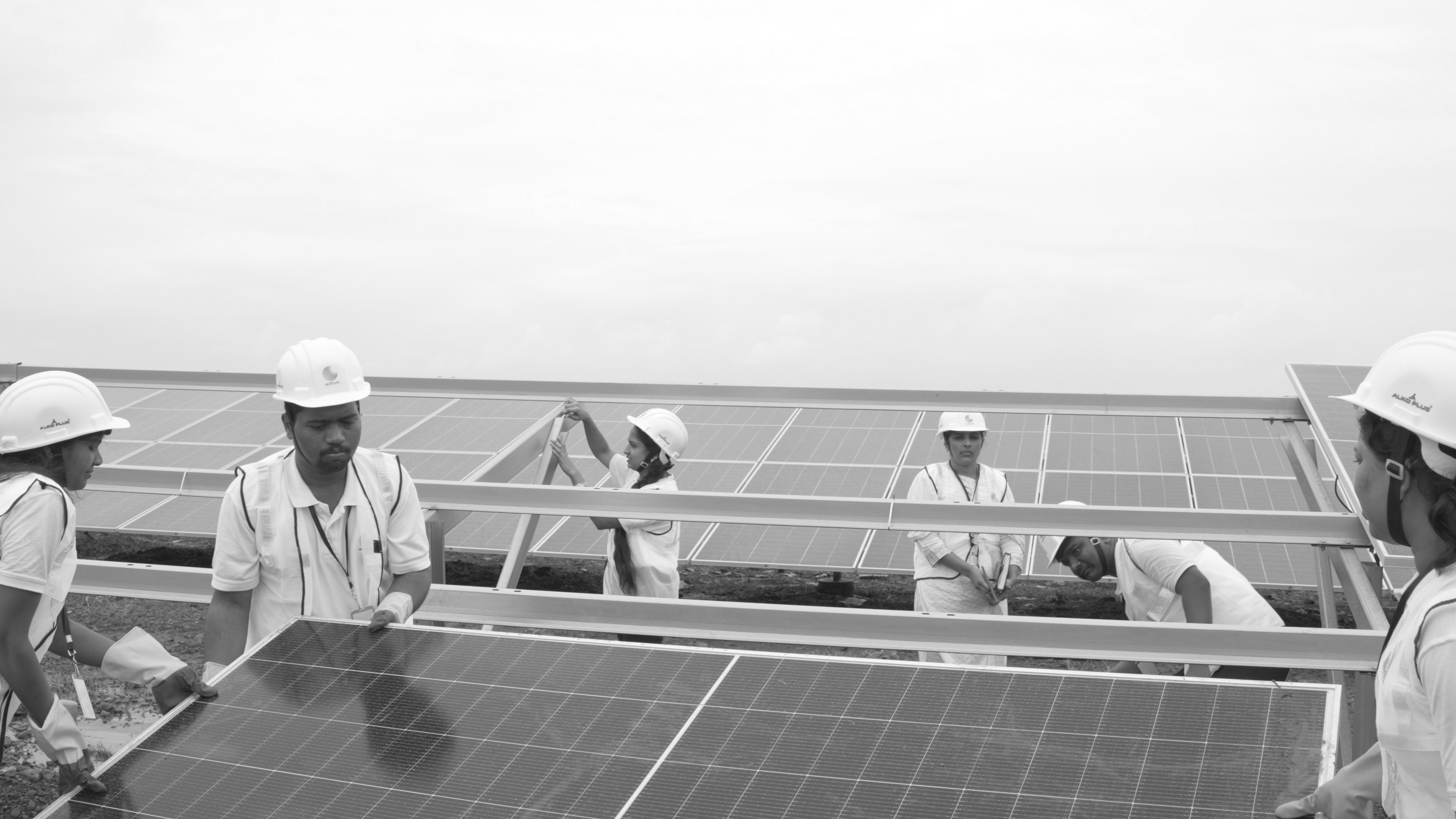
The Asian Development Bank (ADB) has approved USD 1.85 billion (around ₹15,900 crore) in fresh funding to help India build stronger cities and expand clean energy. The package includes a USD 1 billion (about ₹8,600 crore) loan for urban reforms and a USD 850 million (around ₹7,300 crore) loan for the second phase of the PM Surya Ghar: Muft Bijli Yojana, one of India's biggest rooftop solar programmes.
The USD 1 billion loan will support the Centre's ₹1 lakh crore Urban Challenge Fund, announced in the Union Budget 2025-26. The fund aims to unlock nearly ₹4 lakh crore in urban investment over five years by attracting private capital. Under the model, the Centre will provide up to 25 per cent of a project's cost, while at least 50 per cent must come from municipal bonds, bank loans or public private partnerships. A ₹5,000 crore Credit Repayment Guarantee Scheme will help smaller cities raise funds from the market.
ADB said India's cities already generate nearly 70 per cent of new jobs and contribute about 63 per cent of the country's GDP. That share is expected to rise to 75 per cent by 2030. Although only 36 per cent of Indians live in urban areas, compared with around 67 per cent in China and 59 per cent in Indonesia, India's cities already drive a much larger share of economic activity. The programme will improve city planning, digital governance, transit focused development and safer public spaces for women and girls.
The USD 850 million (₹7,300 crore) loan is equally important for India's rising energy needs. Electricity demand has been growing steadily as more homes, businesses and industries come online. Rooftop solar allows households to generate their own electricity, lower monthly bills and reduce pressure on the national power grid. It also cuts dependence on imported fossil fuels and supports India's goal of cleaner energy. ADB Country Director for India Mio Oka said, "It supports a people centred energy transition by reducing exposure to energy price and supply shocks, strengthening distribution systems, creating green jobs, expanding opportunities for women, and building stronger domestic clean energy value chains."
India has sharply increased its spending on renewable energy. The Ministry of New and Renewable Energy (MNRE) spent ₹24,177 crore in 2025-26, while the allocation for 2026-27 has risen to ₹32,915 crore, including ₹22,000 crore for the PM Surya Ghar scheme alone. The scheme itself has a total outlay of ₹75,021 crore. India has already crossed 150 GW of installed solar capacity, including 25.7 GW of rooftop solar, making it the world's third-largest renewable energy market after China and the United States.
China, however, remains far ahead. It has over 2,258 GW of renewable energy capacity, compared with 250.5 GW in India. China also dominates global solar manufacturing, while India is expanding domestic production to reduce reliance on imports. Recent industry estimates show 95 per cent of India's solar cell imports still come from China, highlighting why the government is investing in local manufacturing alongside rooftop solar expansion.
The latest package adds to ADB's four-decade partnership with India. The country has been borrowing from ADB since 1986, and by the end of 2025, the lender had committed and disbursed more than USD 49 billion for transport, water, healthcare, renewable energy and urban development projects. ADB-backed programmes have helped upgrade over 33,000 km of roads, improve water supply for more than 3.7 million households, provide better sanitation to nearly one million households, connect over 606,000 households to electricity and add more than 4,200 MW of renewable energy capacity.
The rooftop solar programme will also train at least 6,000 people, with one third of them being women. It will support model solar villages, improve recycling of solar panels and batteries, and strengthen vendor accountability. ADB expects the programme to help India reach 30 GW of rooftop solar capacity while reducing 28.8 million tonnes of carbon emissions, helping meet the country's growing energy demand in a cleaner and more sustainable way.