
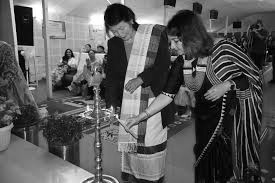
Assam Rifles Hosts Inspiring Film Celebrating Naga Oral History and Indigenous Heritage
A thought-provoking documentary celebrating the oral traditions and cultural heritage of the Naga people was screened at the Headquarters Directorate General Assam Rifles in Laitkor, reaffirming the importance of preserving indigenous knowledge while promoting empathy, dialogue and national integration.
Titled "Weaves of Empathy: A Journey into Naga Oral History," the documentary has been directed by Parasher Baruah and conceptualised by Vibha Lakhera. Through heartfelt narratives from community elders and younger generations, the film captures the richness of Naga traditions, highlighting how oral storytelling has safeguarded history, identity and cultural values across generations.
The documentary underscores the urgent need to document and preserve indigenous narratives at a time when rapid modernization threatens many traditional knowledge systems. By connecting personal memories with broader cultural experiences, it seeks to deepen understanding between diverse communities and inspire greater appreciation for the Northeast's unique heritage.
The screening witnessed the presence of Air Marshal Inderpal Singh Walia, Air Officer Commanding-in-Chief of the Eastern Air Command, who attended as the chief guest. Assam Rifles Director General Lt Gen Vikas Lakhera, senior Army officers and Assam Rifles personnel were also present, reflecting the significance attached to the initiative.
Addressing the gathering, Project Empathy founder Vibha Lakhera stressed that storytelling remains one of the most powerful tools for building empathy, strengthening social bonds and encouraging meaningful conversations across cultures.
In a statement, Assam Rifles said the event reflected its continued commitment to safeguarding the cultural heritage of Northeast India while fostering mutual respect and community engagement. The force noted that initiatives celebrating local traditions not only preserve invaluable histories but also strengthen trust, unity and understanding among people from different backgrounds.
The screening served as a reminder that preserving oral histories is not merely about protecting the past but also about inspiring future generations to value cultural diversity, shared identities and the enduring power of human stories.