
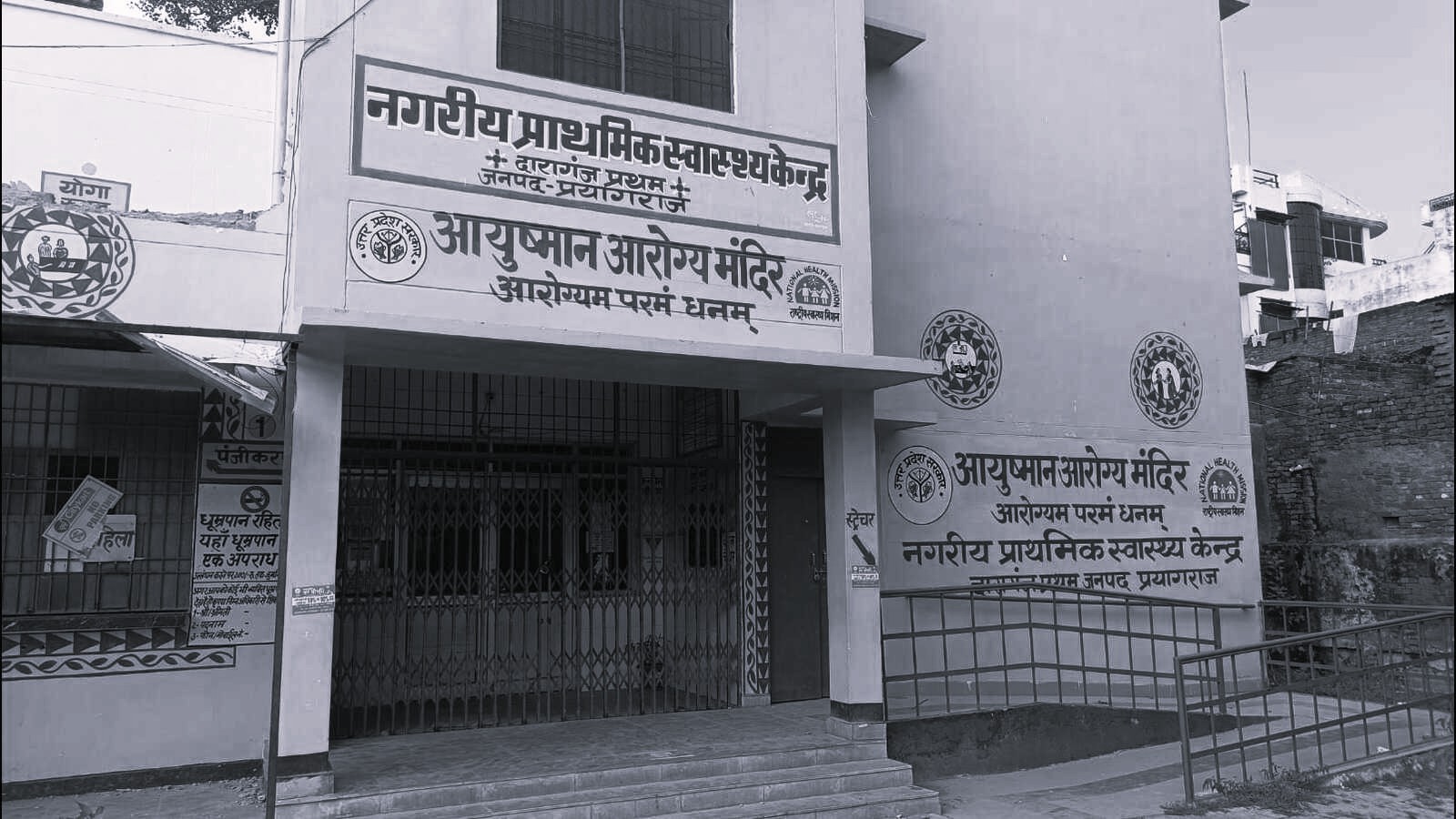
Ayushman Bharat: India’s New Health Revolution
In a country as populous as India, achieving the goal of “health for all” has long remained a major challenge. For decades, healthcare services were largely concentrated in urban centres, while rural regions struggled with inadequate medical infrastructure. As a result, millions of poor families had limited access to quality treatment.
Government statistics indicate that around 60 million people in India are pushed into poverty every year due to medical expenses . To reduce such out-of-pocket expenditure and provide financial security to citizens, the Central government launched the Ayushman Bharat Mission in 2018 . The initiative is widely regarded not merely as a welfare scheme but as a comprehensive effort to transform India’s public healthcare system.
Under the leadership of Prime Minister Narendra Modi , the government has undertaken several reforms aimed at strengthening healthcare delivery. As emphasised repeatedly by the Prime Minister, the country’s healthcare system must move beyond treatment and focus more on preventive care and early detection of diseases . Accordingly, India is increasingly adopting a preventive, integrated and technology-driven healthcare model .
A key component of this transformation is the Ayushman Bharat programme , which provides health insurance coverage to millions of economically vulnerable families. Alongside this, Ayushman Arogya Mandirs are being established across rural areas to expand access to primary healthcare services.
Strengthening Healthcare Infrastructure
Improving healthcare infrastructure has been a central priority. The establishment of new medical colleges across the country has significantly expanded access to medical education and treatment facilities. Earlier, many districts lacked medical colleges, forcing patients to travel to major cities for advanced treatment. The creation of district-level medical institutions is helping bring modern healthcare services closer to local communities while strengthening hospital networks.
At the same time, India’s health policy is increasingly emphasising preventive healthcare . Experts point out that changes in lifestyle have contributed to the rising incidence of diabetes, obesity and cardiovascular diseases . Rapid urbanisation, stressful routines, lack of physical activity and unhealthy dietary habits are major contributing factors. In response, the government has been promoting yoga, exercise and balanced nutrition through awareness campaigns.
Traditional Indian health practices such as yoga and Ayurveda have also gained global recognition in recent years. Studies suggest that these systems support both physical and mental well-being, and the government has been encouraging their integration into broader healthcare strategies.
Emerging Public Health Challenges
Despite improvements in infrastructure, India continues to face new public health challenges. One growing concern is antibiotic resistance , which has raised alarm among health experts. Studies conducted in Hyderabad and Uttarakhand have detected high levels of antibiotic-resistant bacteria in urban sewage systems. Since these bacteria do not respond to common antibiotics, even minor infections could potentially become serious health threats.
Experts attribute this problem partly to the overuse and misuse of antibiotics , including self-medication without medical supervision. Improper treatment of hospital wastewater and the use of antibiotics in agriculture are also contributing factors. Specialists have therefore called for stricter regulation and responsible use of antibiotics.
Another serious issue is the rise of childhood obesity . A recent study found that about 12.5 per cent of teenagers in Kolkata are affected by obesity . Globally, India ranks second after China in the number of obese children. Increased consumption of fast food, reduced physical activity and growing screen time due to mobile phones and video games are among the primary reasons.
Early-stage obesity increases the risk of diabetes and heart disease later in life, prompting experts to recommend regular physical activity, balanced diets and outdoor play for children.
Food Safety and Lifestyle Risks
Food safety is also becoming an area of concern. Research conducted in Bengaluru found elevated levels of the toxic metal lead in certain commonly consumed vegetables. Lead exposure can have serious consequences, particularly for children, as it can affect brain development . Factors such as contaminated irrigation water, industrial waste and excessive chemical use are believed to contribute to the problem.
Meanwhile, doctors are increasingly reporting heart disease among younger people . In the past, heart attacks were more common among older adults, but cases among individuals below 40 years of age are now rising. Medical experts attribute this trend to stress, lack of exercise, smoking, poor dietary habits and inadequate sleep.
Adopting a healthier lifestyle is considered essential to reduce these risks. Experts recommend at least 150 minutes of exercise per week , balanced nutrition and proper sleep to maintain heart health.
Cancer cases are also rising globally. Projections suggest that breast cancer cases worldwide could reach 3.5 million by 2050 . In India as well, doctors report an increasing number of cancer cases among younger individuals. Lifestyle changes, environmental pollution and delayed diagnosis are believed to be major contributing factors.
Technological Advances in Healthcare
Technology is playing an increasingly transformative role in healthcare. Scientists are currently exploring innovative treatments such as “injectable mini livers,” which could potentially provide an alternative therapy for patients suffering from liver failure.
The HPV vaccine is another important advancement, playing a crucial role in preventing cervical cancer . Government agencies and health organisations in India are conducting awareness campaigns to encourage vaccination among young women, which can significantly reduce future cancer risk.
Similarly, new medicines are being developed to address diabetes and obesity . Recent research suggests that an oral medication under development has shown promising results in controlling blood sugar levels while aiding weight reduction.
Overall, India’s healthcare sector is undergoing a period of significant transformation. While healthcare infrastructure continues to expand rapidly, the country must also address emerging health risks. Experts believe that preventive healthcare policies, technological innovation, research and public awareness together can help build one of the world’s most robust healthcare systems.
Structure of Ayushman Bharat
The Ayushman Bharat programme operates through two major components. The first focuses on strengthening primary healthcare through Health and Wellness Centres , now called Ayushman Arogya Mandirs . The second is the Pradhan Mantri Jan Arogya Yojana (PM-JAY) , which provides financial protection for hospital treatment.
Together, these two components ensure that patients receive continuous care from initial screening at village-level centres to specialised treatment at multi-specialty hospitals in cities. This integrated system enables faster diagnosis and ensures that treatment costs are largely borne by the government.
Ayushman Arogya Mandirs
A key milestone of the programme has been the transformation of about 1.5 lakh sub-centres and primary health centres into Ayushman Arogya Mandirs . These centres provide a wide range of services including maternal care, child immunisation and screening for non-communicable diseases such as hypertension and diabetes.
They also conduct awareness programmes on healthy lifestyles, yoga and physical activity . By identifying diseases at an early stage, these centres help reduce complications and improve health outcomes, particularly in rural areas.
Pradhan Mantri Jan Arogya Yojana
Under Pradhan Mantri Jan Arogya Yojana , eligible families receive free health coverage of up to ₹5 lakh per year for hospitalisation. Based on socio-economic caste census data, around 12 crore poor and vulnerable families covering nearly 55 crore individuals are eligible under the scheme.
One of the programme’s notable features is that there is no limit on family size or age , ensuring inclusive access to advanced medical treatment for economically disadvantaged populations.
Cashless Treatment and Portability
Individuals possessing an Ayushman Bharat card can access treatment at empanelled government and private hospitals across India without paying any upfront cost . The scheme covers medical expenses incurred three days before hospitalisation and up to fifteen days after discharge, including medicines and diagnostic tests.
The programme follows a cashless and paperless system , reducing financial stress during medical emergencies. Dedicated Ayushman Mitras at hospitals assist patients with registration and treatment procedures.
For migrant workers, the scheme offers a portability feature . A beneficiary who receives the card in one state, such as Andhra Pradesh , can obtain treatment in empanelled hospitals in other states like Delhi or Mumbai , ensuring nationwide access to healthcare services.
Digital Health Integration
The Ayushman Bharat Digital Mission assigns every citizen an Ayushman Bharat Health Account (ABHA) ID , enabling digital storage of medical records. This allows doctors to access patient histories online, eliminating the need for individuals to carry physical documents.
The digital system improves treatment quality and enhances transparency. Through teleconsultation services , residents of remote villages can also receive advice from specialists located in urban hospitals.
Expanding the Healthcare Ecosystem
The programme has also encouraged growth in the private healthcare sector. Smaller towns are witnessing the establishment of new hospitals, while timely government reimbursements are motivating private institutions to serve economically weaker sections.
This expansion is generating employment opportunities for doctors, nurses, paramedical staff and technicians . In addition, Jan Aushadhi Kendras provide quality medicines at affordable prices, helping reduce the financial burden on patients.
Challenges and the Road Ahead
Like any large-scale welfare programme, Ayushman Bharat faces certain challenges, including delays in card distribution, reluctance by some private hospitals to participate and internet connectivity issues in rural areas . To address these concerns, the government has launched outreach campaigns such as Ayushman Bhav to ensure wider awareness and distribution of health cards.
Authorities are also periodically reviewing treatment package rates to strengthen private sector participation. At the same time, advanced technologies such as artificial intelligence are being used to detect fraudulent claims and improve transparency.
Ultimately, Ayushman Bharat represents more than a healthcare programme; it is a major social initiative aimed at ensuring dignity and security for millions of citizens. A healthy population forms the foundation of a strong economy. As India moves toward the vision of “Viksit Bharat” by 2047 , Ayushman Bharat is expected to remain a crucial pillar of the country’s evolving healthcare system.