
B-52 Crash in California: Eight Killed in US Air Force Bomber Accident During Test Flight
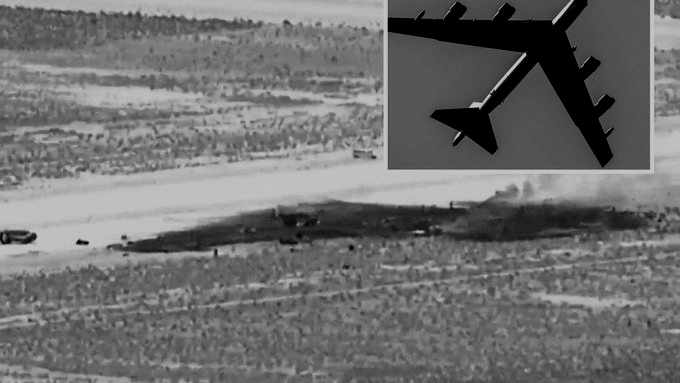
A U.S. Air Force B-52 Stratofortress bomber crashed shortly after takeoff from Edwards Air Force Base in California's Mojave Desert on Monday, killing all eight people aboard and triggering renewed scrutiny of military flight-testing safety and aircraft modernization programs.
The aircraft went down at approximately 11:20 a.m. local time during a routine test mission supporting the Air Force's radar modernization programme . According to military officials, the bomber crashed moments after leaving the runway and burst into flames, leaving no chance of survival for those on board. The victims included military personnel, government civilians and contractors, while aerospace giant Boeing confirmed that two of its employees were among the dead.
Speaking at a press conference, Colonel James Hayes, deputy commander of the 412th Test Wing, described the incident as a "horrible tragedy" and said investigators had determined the crash was unsurvivable after reviewing footage from the scene. Authorities have begun a formal investigation, though officials cautioned that determining the cause could take up to six months .
The aircraft was participating in tests linked to a new Active Electronically Scanned Array (AESA) radar , part of a broader effort to modernize the Cold War-era bomber fleet and extend its operational life into the coming decades. Investigators have not indicated whether the upgraded systems played any role in the accident.
The crash marks the first B-52 loss since 2016 and one of the deadliest accidents involving the iconic bomber in decades. The B-52, which entered service in 1955, remains a cornerstone of America's long-range strike and nuclear deterrence capabilities despite its age.
Beyond the immediate tragedy, the accident has reignited concerns about military aviation safety , particularly during high-risk flight-testing operations involving aging aircraft undergoing advanced upgrades. Aviation experts note that test missions inherently carry greater risks as crews evaluate new technologies under operational conditions. The findings of the Air Force investigation are expected to shape future testing protocols and modernization efforts across the fleet.