
Bathukamma: Telangana’s Floral Festival Celebrates Culture, Womanhood and Nature
A vibrant display of seasonal flowers, traditional folk songs and graceful dances marks the arrival of Bathukamma, Telangana’s iconic floral festival that celebrates womanhood, cultural heritage and the close relationship between people and nature. Observed over nine days during the Navratri season, the festival brings women, families and communities together in a colourful expression of the state’s identity. Beyond its religious significance, Bathukamma reflects generations of traditional knowledge, agricultural life and respect for the natural environment.
The word Bathukamma is commonly interpreted as “Mother Goddess, come alive.” The festival is associated with Goddess Gauri, a form of Goddess Parvati, and symbolises life, fertility, prosperity and the strength of women. Over the years, it has become one of the most distinctive cultural celebrations of Telangana, connecting religious beliefs with folk traditions and community participation. The festival’s importance lies not only in its rituals but also in the way it brings people together and passes cultural values from one generation to the next.
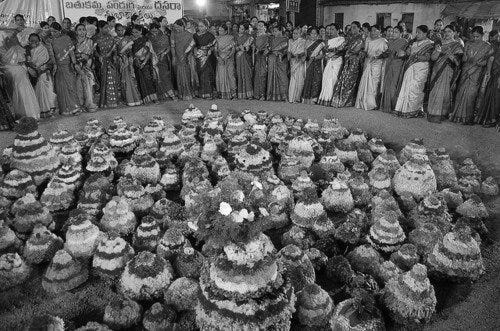
At the heart of Bathukamma are the colourful floral arrangements prepared by women using flowers that bloom naturally during the monsoon season. Tangedu, Gunuka, Banti (marigold), Chamanti (chrysanthemum) and Nandi-vardhanam are among the flowers traditionally associated with the festival. These locally available flowers are arranged in successive circular layers, often alternating colours to create a tiered structure resembling a temple tower. The arrangement is generally placed on a brass plate known as a Thambalam, transforming seasonal flowers into an offering that reflects creativity, devotion and an appreciation of nature.
Preparing Bathukamma is itself an important social activity. Women and family members collect flowers, arrange them carefully and help one another create floral stacks of different sizes. This collective effort encourages cooperation and allows traditional practices to be passed down to younger generations. For children, the process offers an opportunity to learn about local flowers, seasonal changes and the significance of preserving cultural traditions. The beauty of Bathukamma lies as much in the preparation and shared experience as in the final floral arrangement.
The nine-day Bathukamma festival will be celebrated from October 10 to October 18, 2026, with each day associated with traditional customs and food offerings. The celebrations begin with Engili Pula Bathukamma on October 10 and conclude with Saddula Bathukamma on October 18, the grand finale of the festival. The other days are known as Atukula Bathukamma, Muddapappu Bathukamma, Nanabiyyam Bathukamma, Atla Bathukamma, Aligina Bathukamma, Vepakayala Bathukamma and Venna Mudda Bathukamma. Practices and spellings may vary among communities. During the festivities, women gather in the evenings, place their floral Bathukamma arrangements at the centre and sing traditional folk songs while dancing around them. These gatherings create an atmosphere of joy and belonging, strengthening relationships among families, friends and neighbours.
Bathukamma also has a special place in family life. Traditionally, many women return to their parental homes to celebrate the festival with relatives and childhood friends. The occasion offers an opportunity to renew family bonds, share experiences and participate in community celebrations. Women often wear colourful sarees and traditional jewellery, while younger girls wear half-sarees or langa-voni. The songs performed during the festival draw upon mythology, folklore, local history and everyday experiences, preserving stories and cultural memories that might otherwise fade over time.
The celebrations reach their grand finale with Saddula Bathukamma, also known as Pedda Bathukamma. On this day, women prepare larger floral arrangements and carry them in processions towards nearby ponds, lakes and other water bodies. Traditional songs and dances accompany the gatherings before the floral arrangements are immersed in water. The ritual symbolises the return of nature’s offerings to their surroundings and brings the nine-day celebration to a close. Families and neighbours subsequently share food, making the occasion a celebration of both cultural identity and community solidarity.
Food is another important part of Bathukamma. Different offerings, known as naivedyam, are prepared on the festival’s nine days according to local customs. On Saddula Bathukamma, five varieties of rice offerings are traditionally prepared in many households. A sweet preparation called maleeda, made using ingredients such as cornbread and sugar or jaggery, is also associated with the celebrations. Sharing food strengthens the spirit of generosity and togetherness that defines the festival.
Beyond its cultural and religious significance, Bathukamma highlights the traditional relationship between earth, water and human life. The festival takes place during the latter part of the monsoon, when seasonal flowers bloom and rainfall replenishes many local water bodies. Its floral arrangements celebrate this natural abundance and reflect the close connection between rural communities, agriculture and the environment. The use of locally available flowers also encourages appreciation of regional biodiversity and the changing seasons.
The festival is associated with other traditional practices, including Boddemma, an earthen representation of the Goddess observed in certain communities before Bathukamma. Some Telangana district accounts connect these practices with traditional relationships between local communities and their ponds. While the immersion of flowers is often described as having water-purifying benefits, such claims should be treated cautiously because water quality depends on several environmental factors. Responsible celebrations that avoid plastic decorations, prevent littering and protect lakes and ponds can help preserve the environmental values associated with the festival.
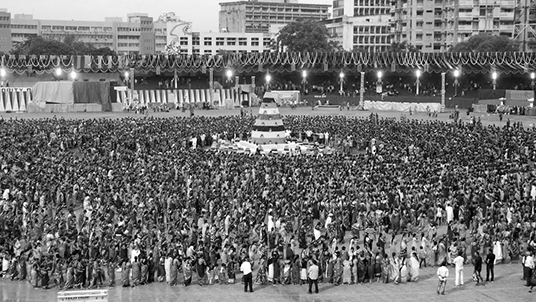
Bathukamma’s cultural importance has also earned Telangana international recognition. On September 29, 2025, the state achieved two Guinness World Records during a grand celebration at Saroornagar Stadium in Hyderabad. The event showcased the scale of public participation in the festival and the enduring appeal of Telangana’s folk traditions.
One record recognised the tallest Bathukamma floral arrangement, which measured 19.44 metres (approximately 63 feet 9 inches) in height and 11 metres in diameter. The structure was created using nine varieties of flowers, transforming the traditional floral arrangement into a remarkable display of cultural artistry. The second record recognised the largest Telangana folk dance, featuring 1,314 participants performing together. Organised by the Telangana government, the event highlighted the state’s floral heritage, traditional dance and collective spirit. These achievements demonstrated how a regional festival can gain international visibility while preserving its cultural roots.
The Guinness World Records achievements added another dimension to Bathukamma’s identity, presenting it not only as a celebration of flowers and womanhood but also as a platform for cultural recognition. The records reflected the dedication of participants and organisers who came together to showcase Telangana’s traditions on a global stage. They also offered an opportunity to introduce a wider audience to the state’s distinctive folk culture and community celebrations.
The importance of Bathukamma is further reflected in its role as a symbol of Telangana’s cultural identity. Recognised as a state festival, it brings together people from different backgrounds through shared traditions. Large public celebrations in Hyderabad and other parts of Telangana introduce visitors to the state’s folk heritage, traditional attire, music and floral artistry. The festival also demonstrates the central role women play in preserving local customs and maintaining community relationships.
Educational institutions can help carry this heritage forward by introducing students to the traditions and values associated with Bathukamma. At Akshara International School, the festival provides an opportunity to combine cultural learning with creative and environmental activities. Floral workshops help students understand seasonal flowers and explore artistic arrangements, while cultural performances allow them to participate in traditional songs and dances. Community activities can further teach students the importance of unity, respect for cultural diversity and responsibility towards nature.
Through these activities, students can learn that festivals are more than occasions for celebration. They preserve historical memories, encourage collective participation and offer practical lessons about the relationship between people and their surroundings. Introducing younger generations to Bathukamma can help ensure that the festival’s traditions remain meaningful in a rapidly changing world.
As Telangana celebrates Bathukamma, its colourful floral arrangements, traditional songs and growing international recognition serve as reminders of a heritage shaped by nature, community and the collective strength of women. The festival brings families together, preserves folk traditions and highlights the importance of respecting natural resources. Bathukamma is not merely a floral festival; it is a living expression of Telangana’s cultural pride, women’s collective spirit and enduring connection with nature. Preserving its traditions while adopting environmentally responsible practices will help ensure that this distinctive celebration continues to inspire future generations.