
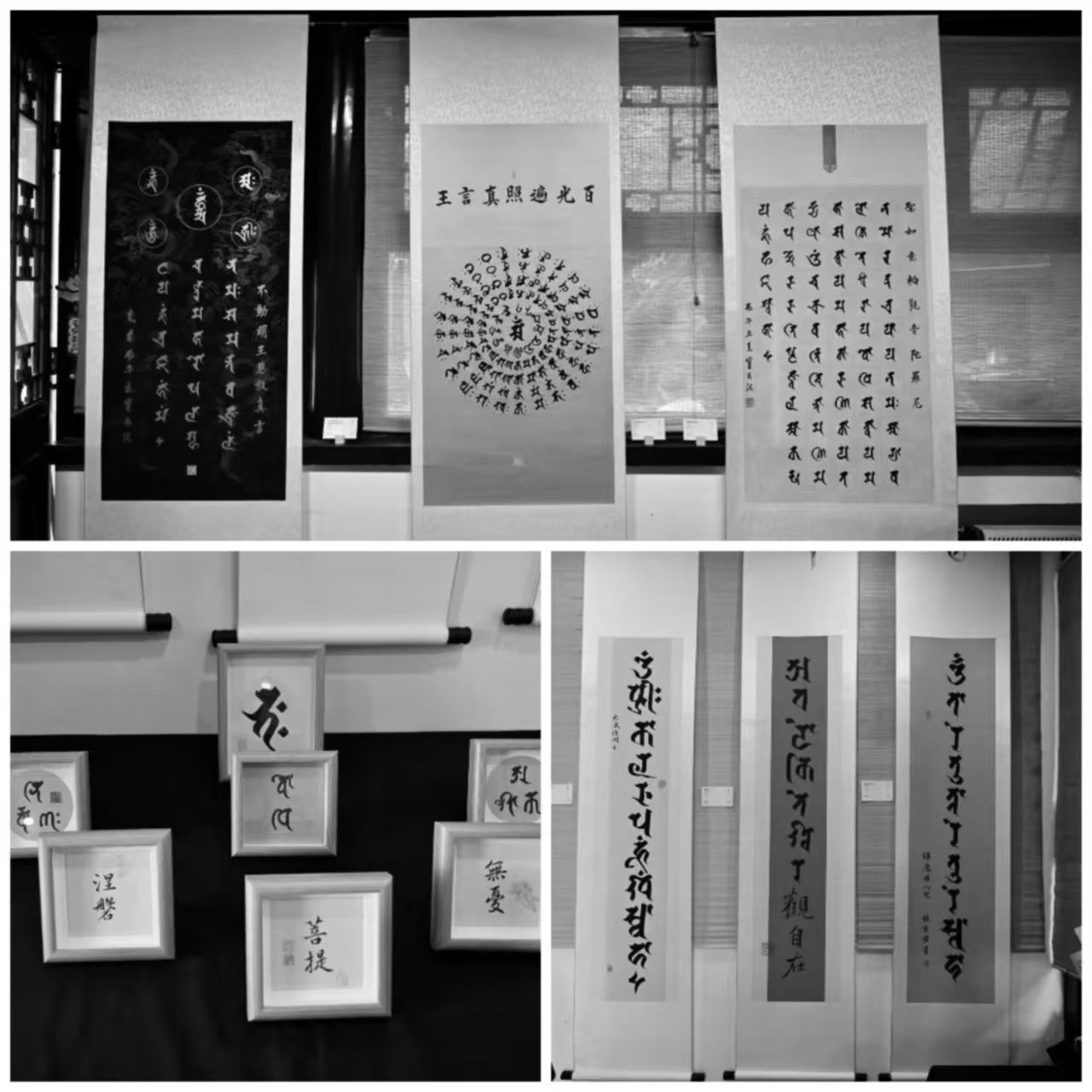
Beijing Exhibition On Sanskrit And Siddham Script Highlights Buddhist Heritage Links With India
An exhibition showcasing Sanskrit calligraphy and the Siddham script , highlighting the shared cultural and civilisational heritage of India and China, was held in Beijing, officials said on Tuesday, underscoring continued cultural diplomacy between the two Asian powers. The event brought together diplomats, scholars and art enthusiasts to explore historical linguistic exchanges rooted in Buddhist traditions and ancient knowledge systems.
Titled “ Sanskrit Ink in the Courtyard ”, the exhibition was organised by the Beijing-based Courtyard Institute and featured works by Sanskrit enthusiasts from diverse backgrounds, the Indian Embassy here said in a social media post. The exhibition celebrated the beauty of Sanskrit and the Siddham script, reflecting centuries of cultural and intellectual exchange between India and China, it said. The Siddham script was widely used by Indian Buddhists and still remains in use in some East Asian countries, especially for writing mantras and religious texts. India’s Deputy Chief of Mission Angeline Premalatha attended the event.
Sanskrit studies are witnessing renewed academic interest in China, with universities and language institutes continuing structured teaching of classical Indian languages, reflecting long-standing civilisational exchanges along Buddhist transmission routes. Earlier India–China cultural diplomacy events in Beijing have similarly highlighted shared artistic and scriptural heritage, situating the exhibition within a broader pattern of ongoing engagement rather than a standalone initiative.
Academic context also notes that Siddham script , derived from early Brahmi traditions, played a key role in the preservation and transmission of Buddhist texts across Asia, and continues to be preserved in East Asian ritual and scholarly traditions. Experts have pointed out that Sanskrit learning in China dates back over two millennia, beginning with early translators of Buddhist scriptures who helped shape cross-cultural philosophical exchange.
According to scholars, Kumarajiva was among the key figures who translated Buddhist sutras into Chinese and helped lay the foundation for long-term civilisational links between India and China through Sanskrit-based learning traditions.