
BJP Clinches Rajya Sabha Hat-Trick in Madhya Pradesh as Opposition Challenge Fizzles
The Bharatiya Janata Party (BJP) secured all three Rajya Sabha seats from Madhya Pradesh on Thursday after its candidates Tarun Chugh, Rajneesh Agrawal and Mahesh Kewat were declared elected unopposed by the Returning Officer.
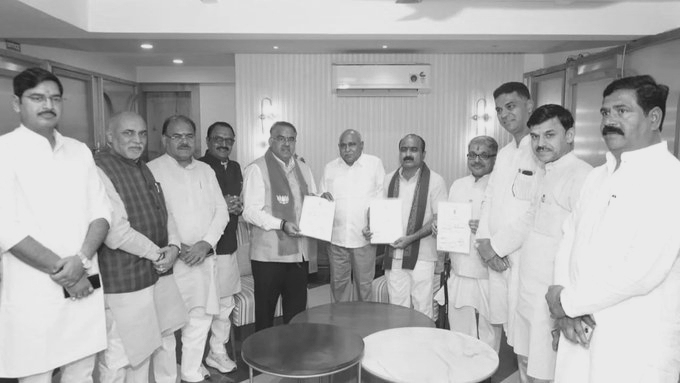
The three newly elected members received their certificates of election at the Madhya Pradesh Vidhan Sabha premises and later left without interacting with the media. BJP MLA Bhagwan Das Sabnani and the party's state media in-charge Ashish Agrawal were present during the proceedings.
The election became uncontested after the nomination of former Congress MP Meenakshi Natarajan was rejected. Natarajan had filed her nomination against BJP nominee Mahesh Kewat, but election authorities cited alleged concealment of information in her affidavit as the reason for the rejection, effectively leaving the BJP candidates without opposition.
The outcome further strengthens the BJP's position in Madhya Pradesh, where the party enjoys a comfortable majority in the state assembly and has dominated recent electoral contests. Rajya Sabha elections are decided by elected MLAs, and the BJP's numerical strength had already made victory highly likely for its nominees.
The rejection of Natarajan's nomination, however, sparked political reactions. BJP leaders described the development as a procedural matter arising from election rules and maintained that all candidates must comply with statutory disclosure requirements.
Congress leaders questioned the decision and indicated that the party would examine the grounds on which the nomination was rejected. Opposition voices argued that the episode deprived voters of a contest, while BJP representatives countered that strict adherence to electoral norms is essential for maintaining the integrity of the nomination process.
With the three candidates elected unopposed, Madhya Pradesh's Rajya Sabha representation will see fresh BJP faces joining the Upper House at a time when the party continues to consolidate its influence in both state and national politics .