
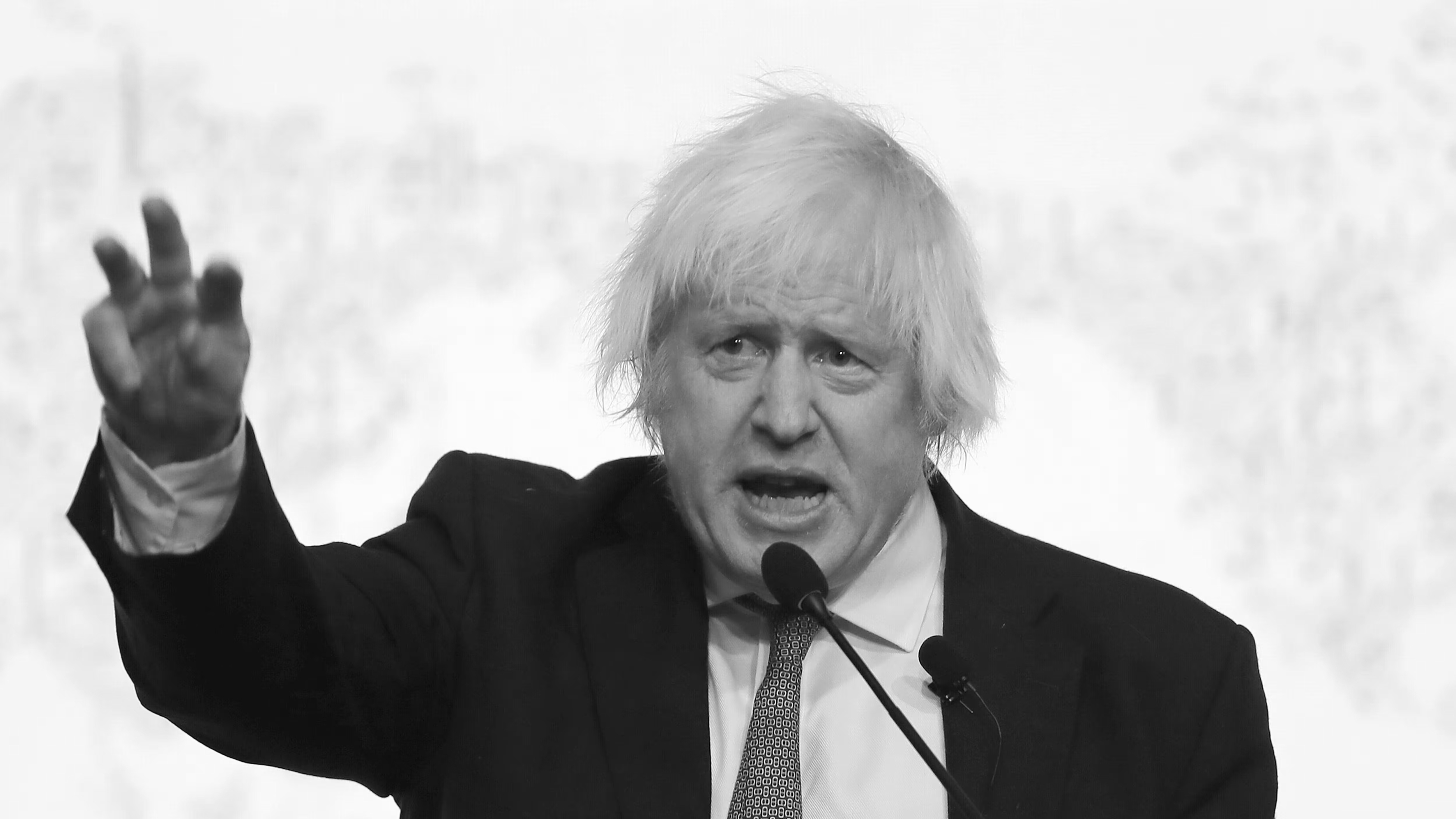
Boris Johnson Urges Western Troop Deployment to Ukraine, Sparking Escalation Debate
As the Russia–Ukraine war approaches its fourth year, former British Prime Minister Boris Johnson has reignited debate in Western capitals by urging the immediate deployment of non-combat foreign troops to Ukraine. He argues that stationing allied forces in relatively peaceful regions would send a clear signal that Europe and its partners remain firmly committed to Ukraine’s sovereignty and independence . Johnson contends that waiting until a ceasefire is reached gives Russian President Vladimir Putin leverage over the conflict’s political endgame and weakens deterrence at a critical moment.
The proposal marks a sharp departure from current Western planning. European governments discussing a potential multinational force have largely framed troop deployment as a post-ceasefire peacekeeping mission , tasked with monitoring compliance, protecting infrastructure, and helping stabilize the country. Military planners remain wary that introducing foreign troops during active hostilities could be viewed by Moscow as direct intervention, raising the risk of dangerous escalation between Russian forces and NATO members. Russian officials have repeatedly warned that foreign troops in Ukraine would be treated as legitimate targets, underscoring the stakes.
From a legal standpoint, Ukraine has the sovereign right to invite foreign forces onto its territory through bilateral or multilateral agreements. However, a UN-mandated peacekeeping mission is unlikely given Russia’s veto power at the Security Council, making any deployment more likely to occur through a coalition framework rather than under a UN flag.
NATO has maintained that it is not a party to the conflict, limiting its involvement to weapons supplies, training, intelligence sharing, and logistical support. Discussions among European nations instead envision a “coalition of the willing” operating outside NATO’s formal command structure to provide long-term security guarantees and deter renewed aggression.
Kyiv has consistently sought stronger assurances to prevent future invasions and has welcomed deeper Western commitments. Ukrainian officials view international stabilization forces as a potential deterrent that could reinforce sovereignty while allowing reconstruction and institutional recovery to proceed.
Public opinion across Europe reflects both solidarity with Ukraine and caution about deeper military involvement. While support for aid remains strong, many voters remain wary of moves that could widen the war or increase defense burdens.