
Brazil's Amazonia Theaters Earn UNESCO World Heritage Status
The UNESCO World Heritage Committee has inscribed Brazil's Amazonia Theaters on the World Heritage List, recognising two magnificent 19th century theatres in the heart of the Amazon that stand as enduring reminders of the region's extraordinary rubber boom, wealth and cultural ambitions. The decision was taken during the committee's 48th session in Busan, South Korea, which continues through July 29.
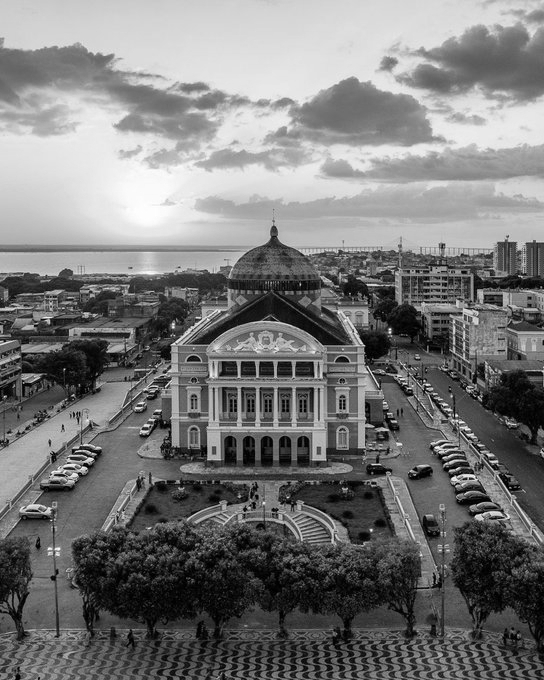
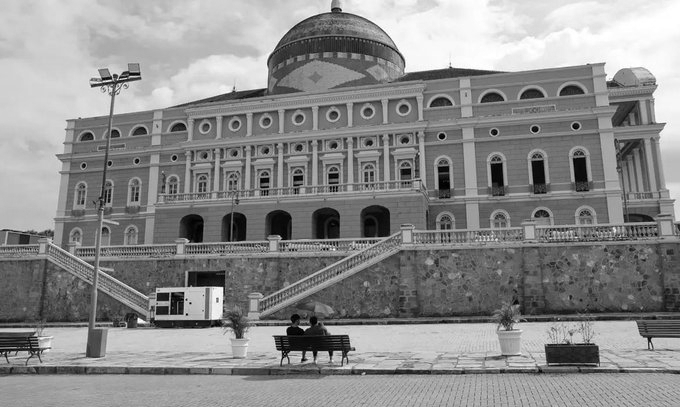
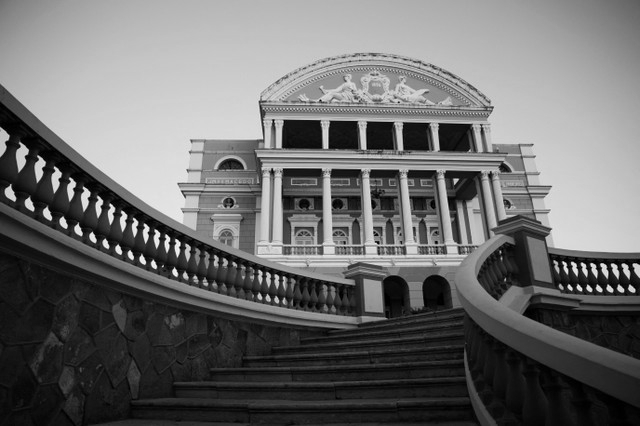
The newly inscribed serial property comprises Theatro da Paz in Belém, Pará, inaugurated in 1878, and Teatro Amazonas in Manaus, Amazonas, inaugurated in 1896. Rising unexpectedly amid the lush Amazon rainforest, the two grand opera houses resemble European palaces transplanted into the tropics. Their imposing façades are framed by elegant columns, sweeping staircases and spacious public squares that once welcomed merchants, diplomats and opera lovers from across the world.
Inside, visitors encounter soaring ceilings, richly decorated balconies, gilded ornamentation, crystal chandeliers and lavish auditoriums designed for world class performances. Teatro Amazonas is especially renowned for its striking dome covered with more than 36,000 ceramic tiles arranged in the colours of Brazil's national flag, while its pink stone exterior and marble imported from Europe reflect the immense fortunes generated during the rubber trade. Theatro da Paz, whose name translates to "Theatre of Peace", features neoclassical architecture, marble halls, painted ceilings, ornate staircases and an elegant horseshoe shaped auditorium inspired by Europe's leading opera houses.
UNESCO said the theatres were conceived as "symbols of political and urban ambition" during the Amazon rubber boom, combining European architectural styles with Amazonian hardwoods, local materials and forest inspired artistic motifs. The inscription also includes Praça da República in Belém and Largo de São Sebastião in Manaus, where tree lined boulevards, historic buildings and open plazas create cultural precincts that continue to host festivals and public performances.
Built during a period when Amazonian rubber fuelled one of the world's greatest economic booms, the theatres reflected the aspirations of two rapidly expanding cities seeking to rival Europe's cultural capitals. Brazil said it jointly nominated the buildings because they represent a shared effort to modernise and connect the Amazon to global commercial and cultural networks. UNESCO inscribed the property under cultural criteria (ii) and (iv), recognising both the exchange of architectural ideas across continents and the theatres' outstanding role in illustrating the Amazon's transformation during the late nineteenth century.
Brazilian authorities described the inscription as historic, noting that it is the first UNESCO Cultural World Heritage property in Brazil's North Region. The venues, once frequented by celebrated European opera companies, later evolved into vibrant centres for Brazilian traditions including carimbó, boi bumbá, theatre, jazz and cinema, remaining at the heart of Amazonian cultural life.
The recognition raises Brazil's tally to 26 UNESCO World Heritage sites and is expected to strengthen conservation efforts while attracting more international visitors. Alongside the region's vast rainforests and the Central Amazon Conservation Complex, the Amazonia Theaters now stand as architectural monuments that tell the story of how immense natural wealth briefly transformed two rainforest cities into some of the most sophisticated cultural destinations in the Americas.