
Brazil’s Lula Expands Welfare And Fuel Relief Ahead Of Bolsonaro Runoff
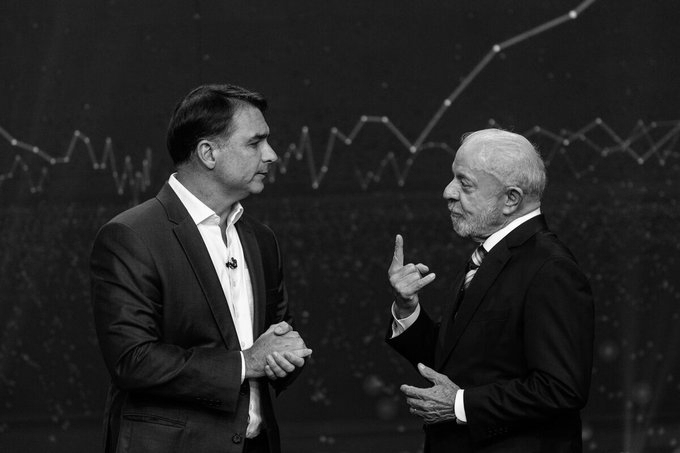
Brazilian President Luiz Inácio Lula da Silva is expanding welfare benefits, offering debt relief and cutting fuel taxes ahead of Sunday’s presidential runoff against Flávio Bolsonaro, after finishing behind his rival in the first round. The measures promise financial relief for households and businesses but have intensified debate over their cost, funding and impact on Brazil’s public debt.
Lula, 80, is seeking a fourth nonconsecutive term against 45-year-old Bolsonaro, an ally of US President Donald Trump. The election comes as Brazil’s gross public debt reached 82.9% of GDP in August, highlighting concerns over the country’s fiscal position.
One major measure is a reduction in the working week from six days to five, cutting maximum weekly hours from 44 to 40 without reducing wages. Congress approved the reform shortly before the runoff. Bolsonaro, who initially opposed the proposal, later endorsed it. Business leaders warn that higher labour costs without productivity gains could encourage inflation, discourage hiring and push smaller businesses towards informal employment.
Lula has also increased payments under Bolsa Família by 15%, raising the minimum monthly benefit from 600 to 691 reais. The increase, which began in October, is expected to benefit nearly 50 million people. It will cost 5.8 billion reais in 2026 and an estimated 22 billion reais in 2027. The government says the additional expenditure will be accommodated within existing budget limits.
For households and businesses struggling with debt, Lula has backed low-interest loans through public banks, debt renegotiation and tax incentives for small businesses. The business-support programme is estimated to cost three billion reais over three years. His broader economic package also includes support for university students, microentrepreneurs and first-time homebuyers.
Transportation measures include temporary federal tax exemptions on gasoline, diesel-import subsidies and support for ethanol. The estimated cost is 5.2 billion reais. Lula has also proposed free public transport on weekends, a plan that could cost between five billion and 16 billion reais, depending on implementation. The proposal still requires legislative action.
The fiscal implications remain contested. Estimates of Lula’s broader package put its potential value at 290 billion reais across 2026 and 2027, although the government disputes treating the entire sum as additional spending because the measures have different funding sources and timelines. Officials expect to reallocate around 20 billion reais in the 2027 budget to accommodate recently announced measures.
Bolsonaro, meanwhile, has promised a 200-billion-real fiscal adjustment through measures including eliminating ministries, addressing inefficiencies in state-owned companies and monetising federal property, while pledging not to cut social spending. His campaign has also proposed reviewing parts of Lula’s consumption-tax reform. Both candidates face questions about how to balance household relief, economic growth and debt sustainability.