
Britain Unveils £15 Billion Defence Plan With Major Push for Drones and AI
Britain on Tuesday unveiled its long delayed Defence Investment Plan , setting out a sweeping roadmap to modernise its armed forces through drones, autonomous systems, artificial intelligence and advanced military technologies as it seeks to counter growing security threats from Russia and meet higher NATO spending commitments.
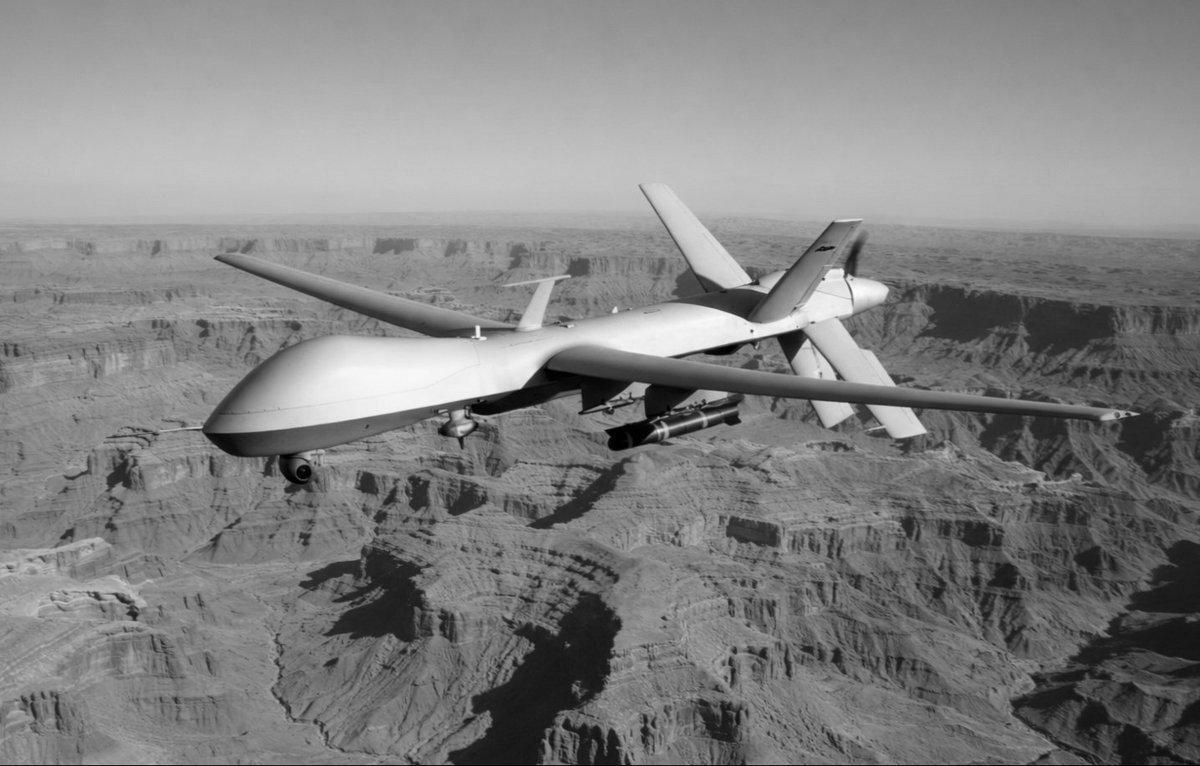
Prime Minister Keir Starmer said the plan would ensure British service personnel have the cutting edge capabilities needed to deter evolving threats and protect national security. The strategy prioritises self flying fighter aircraft, uncrewed submarines, autonomous naval vessels and drone systems across all branches of the military, reflecting lessons from the Russia Ukraine war, where Ukraine is estimated to use around 200,000 drones each month.
The government confirmed an additional £15 billion in defence funding, taking planned defence spending to nearly £300 billion over the next four years and almost £80 billion annually by 2029 , equivalent to about 2.7 per cent of GDP , while reaffirming its ambition to reach NATO's 3.5 per cent target by 2035. More than £5 billion will be invested in drones and autonomous systems, alongside major allocations for the nuclear deterrent, the Global Combat Air Programme and AI enabled defence capabilities.
The plan follows weeks of political turmoil after former Defence Secretary John Healey resigned on June 11, arguing proposed spending was inadequate and urging defence expenditure to reach 3 per cent of GDP by 2030. His successor Dan Jarvis secured additional funding before the strategy was finalised, although it remains below the £28 billion sought by defence officials.
Britain also plans to replace a proposed fleet of new destroyers with hybrid Royal Navy vessels serving as command hubs for drones and autonomous systems, while the Army will significantly expand its use of attack and surveillance drones. The investment is expected to support tens of thousands of defence sector jobs and strengthen domestic military manufacturing.
The strategy comes amid sustained pressure from US President Donald Trump for European allies to increase defence spending. Starmer, who announced last week that he would step down as prime minister, is expected to attend the NATO summit in Turkey on July 7 and 8 before handing over to his successor.