
Bulgaria Ends Arms Supply to Ukraine, Calls for Diplomacy Over Battlefield Solutions
In a significant shift in its approach to the Russia-Ukraine conflict, Bulgaria's new government has announced that it will no longer supply weapons to Ukraine , arguing that continued military assistance will not bring an end to the war and that diplomatic efforts must take priority.
Speaking in Sofia on Tuesday, Defence Minister Dimitar Stoyanov said the conflict has evolved into a prolonged war of attrition in which neither side is likely to achieve a decisive victory through military means alone. According to him, the continued accumulation of weapons has only resulted in greater human suffering and loss of life.
Stoyanov stated that Bulgaria does not foresee any further military assistance to the Ukrainian armed forces, adding that Ukraine already possesses sufficient weaponry and that the key challenge now lies elsewhere. He emphasized that the conflict cannot be resolved on the battlefield and that efforts should instead focus on creating conditions for meaningful negotiations.
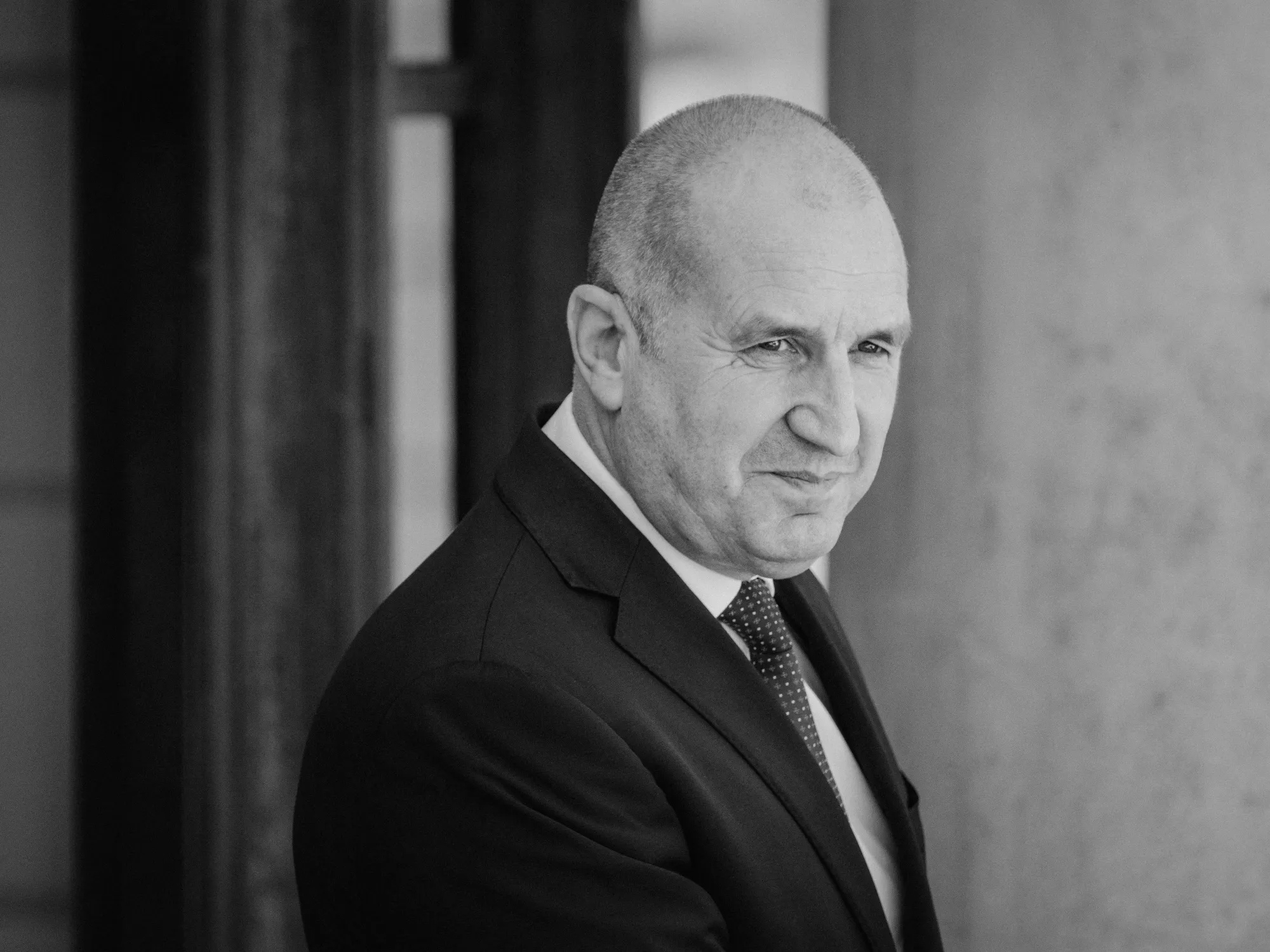
The announcement reflects the stance of Prime Minister Rumen Radev , whose government assumed office following a decisive election victory in April. Radev has long opposed sending weapons to Ukraine and has consistently advocated for diplomatic engagement as the most effective route to ending the conflict.
Since Russia's full-scale invasion of Ukraine in 2022 , Bulgaria, a member of both NATO and the European Union , had provided military assistance to Kyiv. Much of that support consisted of Soviet-era weaponry, which played a notable role during the early stages of the war. Due to political disagreements within Bulgaria, many of the shipments were delivered indirectly through third countries.
Calling for renewed diplomatic initiatives, Stoyanov said it was time for all parties to return to the negotiating table and pursue what he described as a "just peace" acceptable to both sides. He also highlighted the importance of the European Union's role in future peace efforts, while acknowledging the challenges the bloc may face in acting as a neutral mediator because of its support for Ukraine throughout the conflict.
Despite ending further arms supplies to Kyiv, Bulgaria intends to strengthen its own military capabilities. The defence minister announced plans to increase national defence spending to 5 percent of GDP by 2030 , signaling a continued commitment to national security and alliance obligations.