

Can More Central Support Ease Bengaluru’s Burden? Karnataka Makes Its Case
Karnataka’s push for greater central support is rooted in its outsized contribution to India’s economic growth and the infrastructure pressures created by that success.
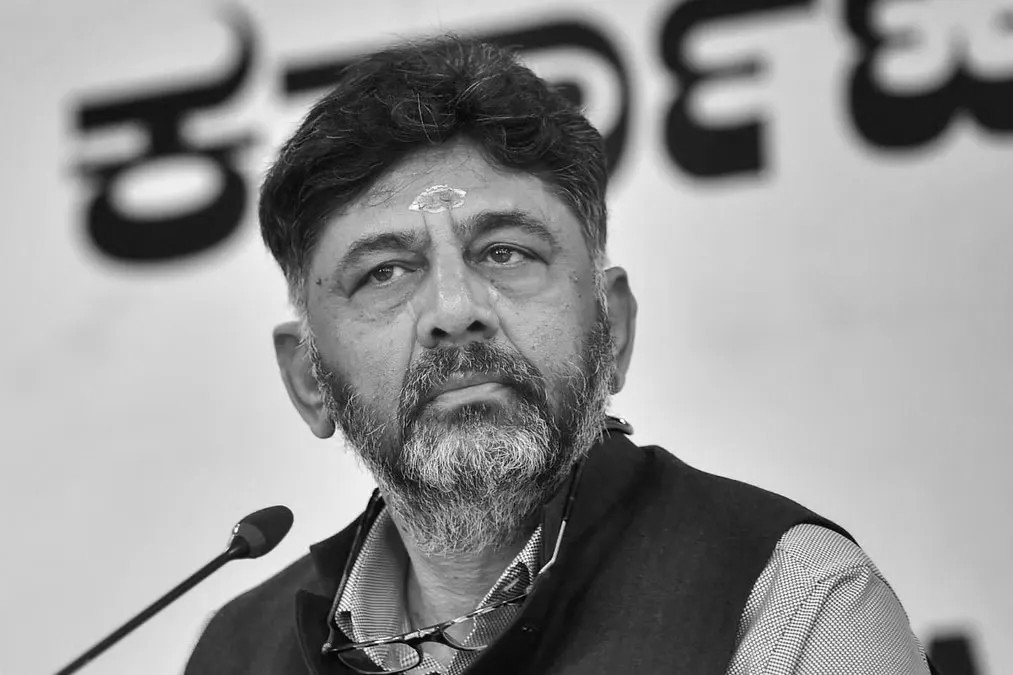
Chief Minister D K Shivakumar told NITI Aayog Vice Chairman Ashok Kumar Lahiri that Karnataka should receive its due share of central funds, including grants announced in the Union Budget. He also sought special consideration for the state.
Karnataka’s Gross State Domestic Product reached ₹32.81 lakh crore in 2025-26, expanding 8.1 per cent in real terms. The services sector accounted for about 70 per cent of GSDP, while industry contributed 19 per cent and agriculture 11 per cent. This makes Karnataka’s economy deeply dependent on services, technology and urban infrastructure.
Bengaluru remains the centre of this ecosystem. The city has around 26 lakh IT professionals and attracts workers and businesses from across India. Karnataka also ranks among the country’s leading states in technology, innovation, startups, exports and foreign direct investment. Cumulative FDI inflows between October 2019 and March 2026 stood at about ₹5.58 lakh crore, accounting for roughly 21 per cent of India’s cumulative FDI.
The state’s argument is that sustaining such a growth engine requires substantial investment in transport, housing, water, power, education and other public infrastructure. Developing a “second Bengaluru” could spread technology-driven growth to other regions while easing congestion in the capital.
Shivakumar has also raised concerns over population-based fund allocation. He argued that southern states such as Karnataka should not be penalised financially for successfully implementing population-control measures.
At the same time, Karnataka faces sizable spending commitments. The government says it spends more than ₹50,000 crore annually on five guarantee schemes and around ₹20,000 crore on electricity subsidies for farmers, alongside investments in rural schools and development projects.
For Karnataka, therefore, special consideration is less about preferential treatment and more about recognising economic contribution, human capital, infrastructure demands and development responsibilities. Greater central backing, the state believes, could help preserve its competitiveness while enabling growth beyond Bengaluru and strengthening India’s economic engine.