
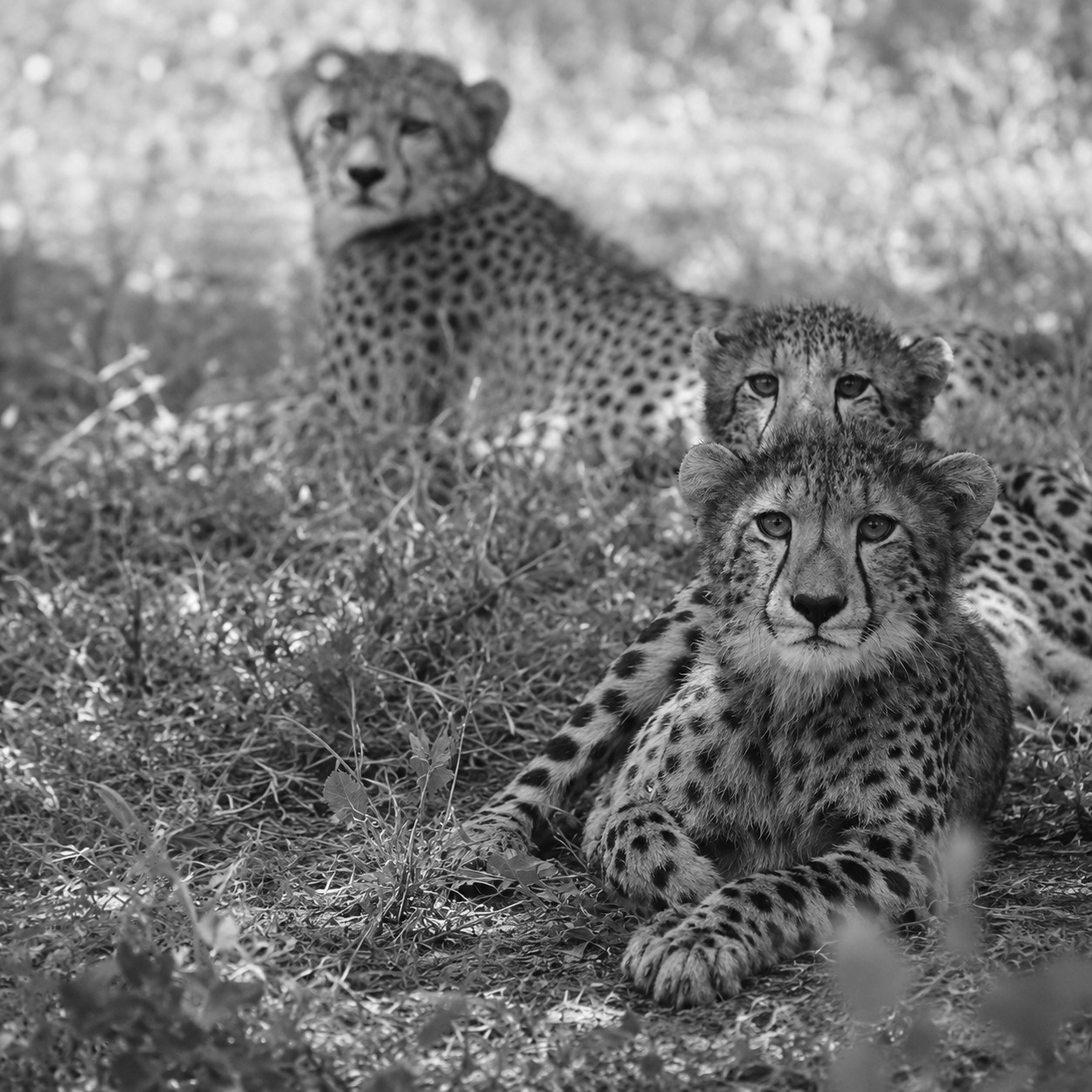
Cheetah KGP-3 Travels 200 Km From Kuno To Rajasthan Sanctuary
A cheetah identified as KGP-3 , which strayed from Kuno National Park , has successfully reached Bandh Baretha Wildlife Sanctuary after travelling nearly 200 kilometres , marking an important development in India’s cheetah reintroduction programme.
Forest officials said the animal moved through forested and semi-forested landscapes, including the Mandrayal Dang region in Karauli district, before passing through the core area of the Dholpur-Karauli Tiger Reserve and entering Rajasthan via Sarmathura. It reached Bandh Baretha on May 30 and has since been continuously roaming within the sanctuary.
Authorities confirmed that KGP-3 is in good health and is actively using different forest blocks such as Banswadi, Mewla, Jamura Timkoli, Gadi Bajna and Shahpur. The cheetah is being closely monitored using a satellite collar , with teams from Kuno and Bharatpur maintaining coordinated surveillance while ensuring minimal disturbance.
Officials described the movement as a key indicator of natural dispersal behaviour , suggesting that reintroduced cheetahs are beginning to expand their territories beyond initial release sites. This is considered a crucial step towards building a self-sustaining population in India.
The journey also highlights the presence of functional wildlife corridors between Madhya Pradesh and Rajasthan, indicating that landscapes across states are still connected enough to allow safe movement of large carnivores. Such connectivity is essential for long-term species survival and genetic diversity.
Wildlife experts say this dispersal supports the broader goal of developing a meta-population structure under Project Cheetah , where cheetahs can inhabit multiple protected areas rather than remaining confined to a single reserve.
The movement is also being used for detailed ecological monitoring, providing valuable data on habitat use, travel routes and behaviour patterns. Officials added that the absence of conflict during its journey reflects a relatively manageable human-wildlife interface in the region.
Overall, KGP-3’s successful movement is seen as a positive conservation signal , strengthening confidence in habitat suitability, corridor connectivity and the long-term prospects of cheetah restoration in India.