
Children's Day 2026: Remembering Nehru's Vision While Renewing India's Commitment to Every Child
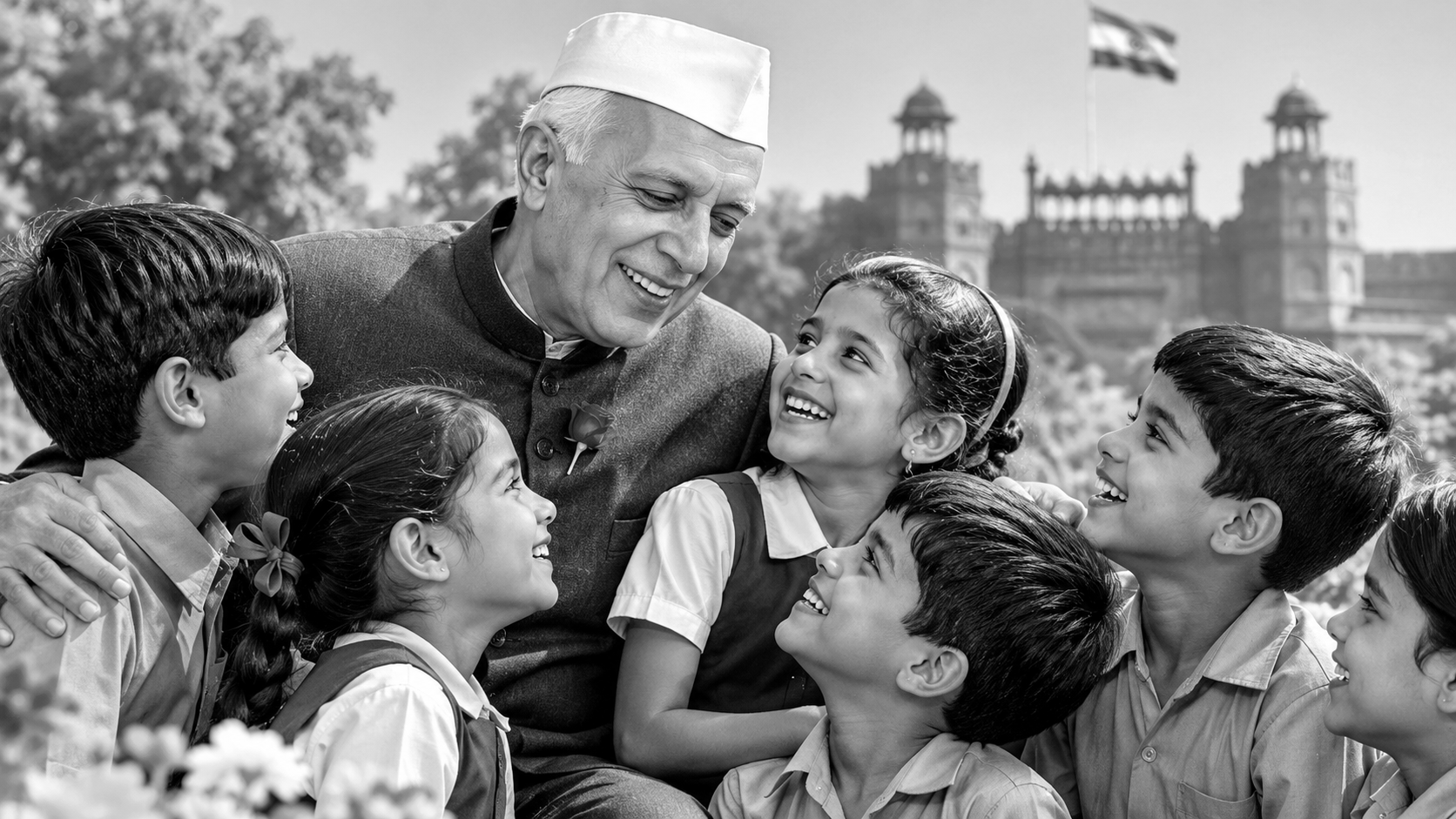
India celebrates Children's Day, popularly known as Bal Diwas, on November 14 every year to commemorate the birth anniversary of Pandit Jawaharlal Nehru, the country's first Prime Minister. Born on November 14, 1889, in Allahabad, now Prayagraj in Uttar Pradesh, Nehru was affectionately known as 'Chacha Nehru' for his fondness for children and his belief that they represented the country's future. The occasion is not merely a celebration of childhood but also an opportunity to reflect on children's rights, education, healthcare, nutrition, safety and overall development.
Children's Day 2026 falls on a Saturday, with schools, educational institutions and child welfare organisations marking the occasion through cultural programmes, competitions, recreational activities and special gatherings. While the celebrations bring happiness to children, the day carries a broader message about society's responsibility to ensure that every child receives opportunities to learn, grow and realise their potential.
Nehru believed that children were central to India's progress and that their upbringing, education and development would determine the country's future. His affection for children earned him the popular title 'Chacha Nehru', and he frequently interacted with young people during public gatherings and other occasions. He believed that children should be encouraged to develop curiosity, creativity, courage and scientific thinking. He also emphasised the importance of education in shaping responsible citizens and building a progressive society. His vision extended beyond academic learning to include opportunities for children to participate in sports, cultural activities and other experiences that contribute to their overall development.
In a speech delivered on November 14, 1957, Nehru encouraged children to read, write, play, dance and sing, while reminding them that they would shape the country's future. He also made it clear that the occasion should be celebrated as Children's Day rather than as a personal birthday celebration. This reflected his desire to keep the focus on children and their importance to society.
The history of Children's Day in India has an interesting connection with the international movement for child welfare. In 1954, the United Nations General Assembly recommended the establishment of Universal Children's Day to promote understanding among children and encourage efforts towards their welfare. Historical records in the Nehru Archives, however, show that November 14 was already being observed as Children's Day in India during Nehru's lifetime. The Indian Council for Child Welfare (ICCW) played an important role in this development.
In a communication dated November 27, 1957, Rajkumari Amrit Kaur, then associated with the ICCW, explained that she had requested November 14 for the organisation's Children's Day observance instead of the October date associated with the international observance at that time. She referred to Nehru's well-known devotion to children as the reason for choosing his birthday. Nehru himself was uncomfortable with celebrations that placed too much emphasis on his birthday. In a note dated November 13, 1957, he expressed the view that the personal element of the occasion should not be mixed with Children's Day. He wanted the day to remain dedicated to children rather than becoming an event centred on an individual.
The celebrations continued during his lifetime. On November 14, 1963, a children's fair was organised at Children's Park near India Gate in New Delhi to mark his 74th birthday. Thousands of children participated in the gathering through singing, dancing and other activities. Nehru also released two white pigeons, symbolising peace, during the occasion. Following Nehru's death on May 27, 1964, November 14 continued to be observed as Children's Day in his memory. Although some commonly circulated accounts suggest that India shifted the observance from November 20 to November 14 only after his death, historical records indicate that November 14 celebrations had already taken place during the 1950s.
India's Children's Day on November 14 and World Children's Day on November 20 are separate observances, although both focus on children's welfare and rights. The United Nations observes November 20 as World Children's Day to mark two important milestones in international child rights history. On November 20, 1959, the UN General Assembly adopted the Declaration of the Rights of the Child. Three decades later, on November 20, 1989, it adopted the Convention on the Rights of the Child (CRC), an international agreement recognising the civil, political, economic, social and cultural rights of children. The convention establishes that children are entitled to protection, education, healthcare, identity, participation and opportunities for development. It also places responsibilities on governments and institutions to safeguard these rights.
The 2026 UNICEF World Children's Day campaign carries the theme 'My Day, My Rights, My Future'. It encourages children to speak about their daily experiences, aspirations and rights while urging adults, communities and policymakers to listen to their opinions. The campaign highlights the importance of allowing children to participate in decisions that affect their lives. It also draws attention to emerging concerns surrounding technology and artificial intelligence, particularly children's digital privacy, online safety and inclusion. As digital platforms become an increasingly important part of children's education and social lives, protecting them from online exploitation, cyberbullying, harmful content and misuse of personal information has become an important responsibility for families, schools, technology companies and governments. The theme should be understood as UNICEF's global World Children's Day campaign rather than an officially declared national theme for India's November 14 observance.
Children's Day serves as a reminder that every child deserves access to quality education, proper healthcare, nutritious food and a safe environment. Although India has made progress in expanding educational opportunities and improving child welfare services, several challenges continue to affect children, particularly those from economically disadvantaged and vulnerable communities. Access to education remains an important concern for children facing poverty, geographical barriers, social discrimination and family responsibilities. Child labour, school dropouts and unequal learning opportunities can prevent children from developing their abilities and securing better futures.
Healthcare and nutrition are equally important. Proper nutrition during childhood supports physical growth, brain development and learning abilities. Regular healthcare, immunisation, sanitation, clean drinking water and access to medical facilities are essential for ensuring that children grow up healthy. Child protection is another major responsibility. Abuse, exploitation, neglect, trafficking, child labour and early marriage can seriously affect children's physical and emotional well-being. Creating safe environments at home, in schools and within communities is necessary to protect their dignity and rights.
Mental health also deserves greater attention. Academic pressure, bullying, family difficulties, social expectations and excessive exposure to digital platforms can affect children's emotional well-being. Parents and teachers must encourage open communication and ensure that children feel comfortable discussing their concerns. Providing emotional support and recognising children's individual abilities are important steps towards helping them develop confidence and resilience.
Schools and educational institutions across India organise various programmes to make Children's Day memorable. Special morning assemblies, cultural performances, dance programmes, singing competitions, drama, storytelling and poetry recitations are among the common activities. Students also participate in drawing, painting, essay-writing, speech and quiz competitions. Sports events, indoor games, outdoor activities and fancy-dress competitions provide opportunities for children to showcase their talents beyond the classroom. In several institutions, teachers organise special performances and activities for students. Some schools distribute chocolates, sweets, stationery and small gifts as part of the celebrations. These activities create a joyful atmosphere while encouraging creativity, confidence, friendship and participation.
Children's Day is not limited to remembering Nehru or organising celebrations in schools. It is an occasion for parents, teachers, governments and communities to assess whether children are receiving the care, protection and opportunities they deserve. Every child, irrespective of economic background, gender, geographical location or social circumstances, should have the freedom to learn, play, express opinions and pursue aspirations. Equal opportunities in education, healthcare, sports and creative activities are essential for building an inclusive society.
Nehru's belief that children would shape India's destiny remains relevant today. As the country moves towards greater technological advancement and economic development, investing in children's education, health, safety and overall well-being is essential. The true significance of Children's Day lies not in a single day's celebrations but in the commitment to protect childhood and create a better future for every child.