
China Calls Anthropic AI Slowdown Plan a ‘Cold War’ Move Against Beijing
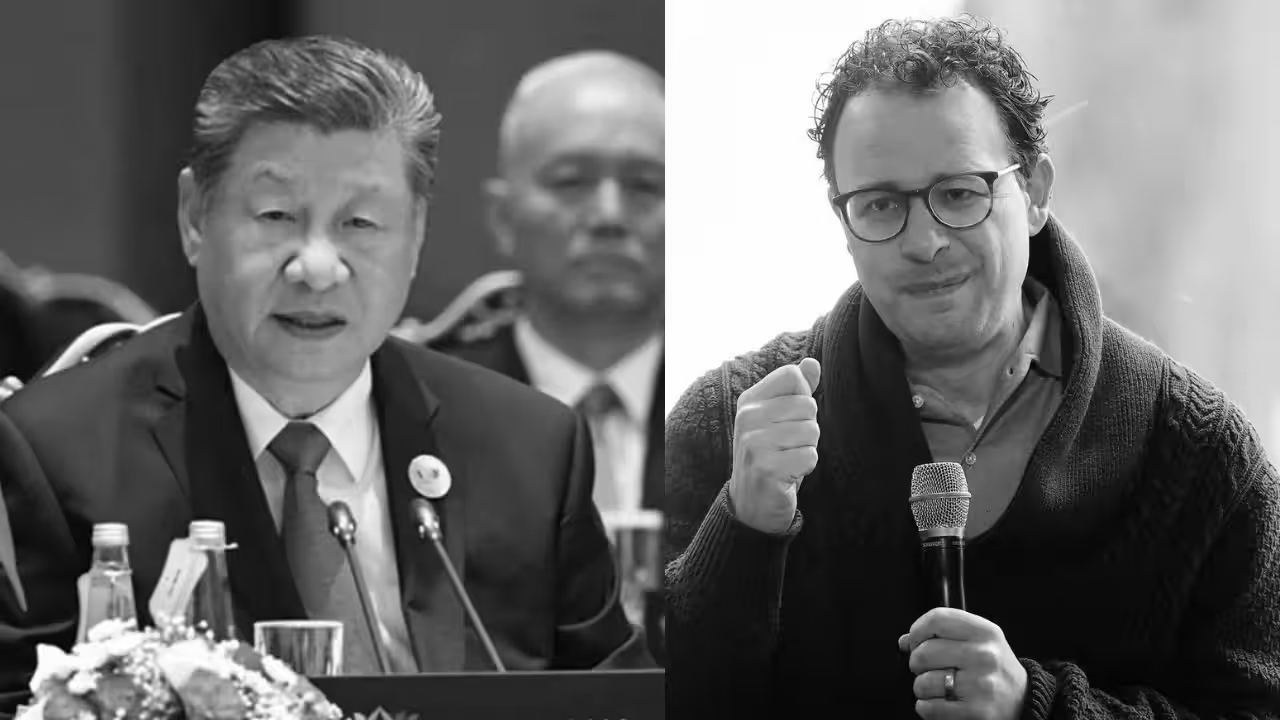
China’s state backed Global Times has accused Anthropic CEO Dario Amodei of using AI safety concerns as a “Cold War” tactic to slow China’s technological rise, escalating tensions over the future of artificial intelligence.
The criticism followed Amodei’s September 12 essay calling for the development of frontier AI models to be paced so safety measures can catch up with rapidly advancing capabilities. OpenAI CEO Sam Altman and SpaceX CEO Elon Musk backed the proposal.
Amodei also urged the US to strengthen restrictions on advanced semiconductor exports to China and act against alleged model distillation by Chinese AI companies. Global Times said these proposals went beyond safety and amounted to an effort to preserve US dominance in advanced technology and exclude China from global AI governance.
The newspaper described the emerging competition as a “silent AI Cold War”, arguing that technological barriers and regulatory controls aimed at China could ultimately increase global AI risks rather than reduce them.
China’s Foreign Ministry also pushed back on Monday. Spokesperson Guo Jiakun said AI is a technology affecting the wellbeing of all humanity and called for its “open and inclusive development”. He warned that “fear-mongering, confrontation and vicious competition” would hinder efforts to establish sound global AI governance.
Beijing has simultaneously promoted its own approach to AI governance. At the BRICS summit, China proposed an open source and inclusive AI initiative and said it would establish a BRICS AI open source community to support cooperation on large language models and build a broader AI ecosystem.
Amodei has acknowledged that slowing AI development would be difficult if China and other countries continued advancing at full speed. Speaking to CBS News, he called it the “toughest dilemma” facing his proposal, given the strategic advantage of being ahead in AI.
US President Donald Trump, meanwhile, has rejected calls for a slowdown. He has argued that the US must maintain its lead over China, saying that “whoever wins AI wins”. On Monday, Trump went further, saying the technology already has sufficient guardrails and that it needs a strong and smart president rather than additional controls.
The dispute comes as Washington and Beijing compete over advanced chips, computing power and frontier AI models. AI safety is expected to feature in wider US China discussions, including a planned September 24 meeting between Trump and Chinese President Xi Jinping.