
China Defends Territorial Claims After Warning US Against Supporting Tibetan Independence
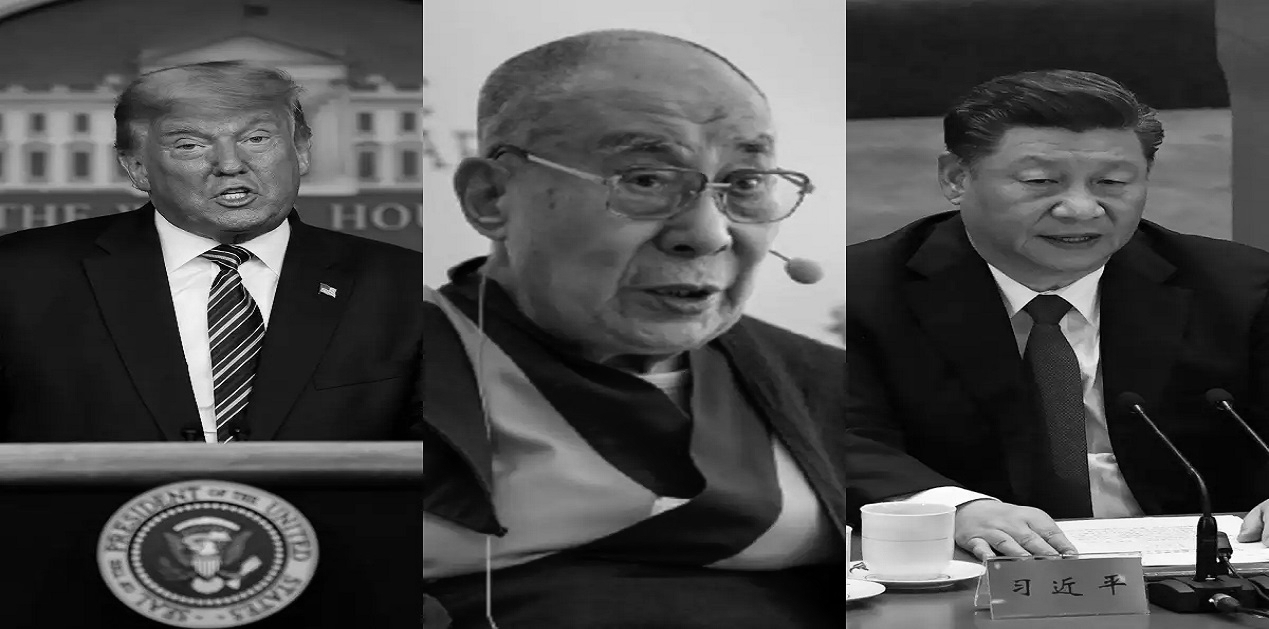
China on Thursday urged the United States to honour its commitment to recognise Tibet, which Beijing officially refers to as Xizang , as part of China and refrain from supporting what it called "Tibet independence", after Washington reiterated support for the aspirations of Tibetans to preserve their culture and called for renewed dialogue with the Dalai Lama .
Responding to a US State Department statement issued on Wednesday, Chinese Foreign Ministry spokesperson Mao Ning said Tibet-related issues are "purely China's internal affairs" and no country has the right to interfere. She urged Washington to stop using Tibet-related issues to interfere in China's domestic affairs while honouring its commitment not to support Tibetan independence.
The US statement, released days after the Dalai Lama's 91st birthday on July 6 , reaffirmed support for Tibetans' rights to preserve their religion, culture and language . It also called on Beijing to resume unconditional dialogue with the Dalai Lama or his representatives to pursue meaningful autonomy for Tibetans. The statement followed the self-immolation of a Tibetan man outside the United Nations headquarters in New York, an incident that renewed international attention on the Tibet issue.
Mao did not respond directly to Washington's appeal for talks with the Tibetan spiritual leader, whom Beijing considers a separatist. China maintains that it "peacefully liberated" Tibet in 1950, while the Dalai Lama fled to India in 1959 after a failed uprising and has since lived in exile in Dharamshala . He was awarded the Nobel Peace Prize in 1989 for advocating non-violence.
The latest exchange underscores continuing tensions between Washington and Beijing over Tibet, human rights and religious freedoms, issues that remain a persistent source of friction in bilateral relations.