
Chinese Worker Rescued From Nepal Tunnel After 11 Days as Flood Toll Rises to 1,344
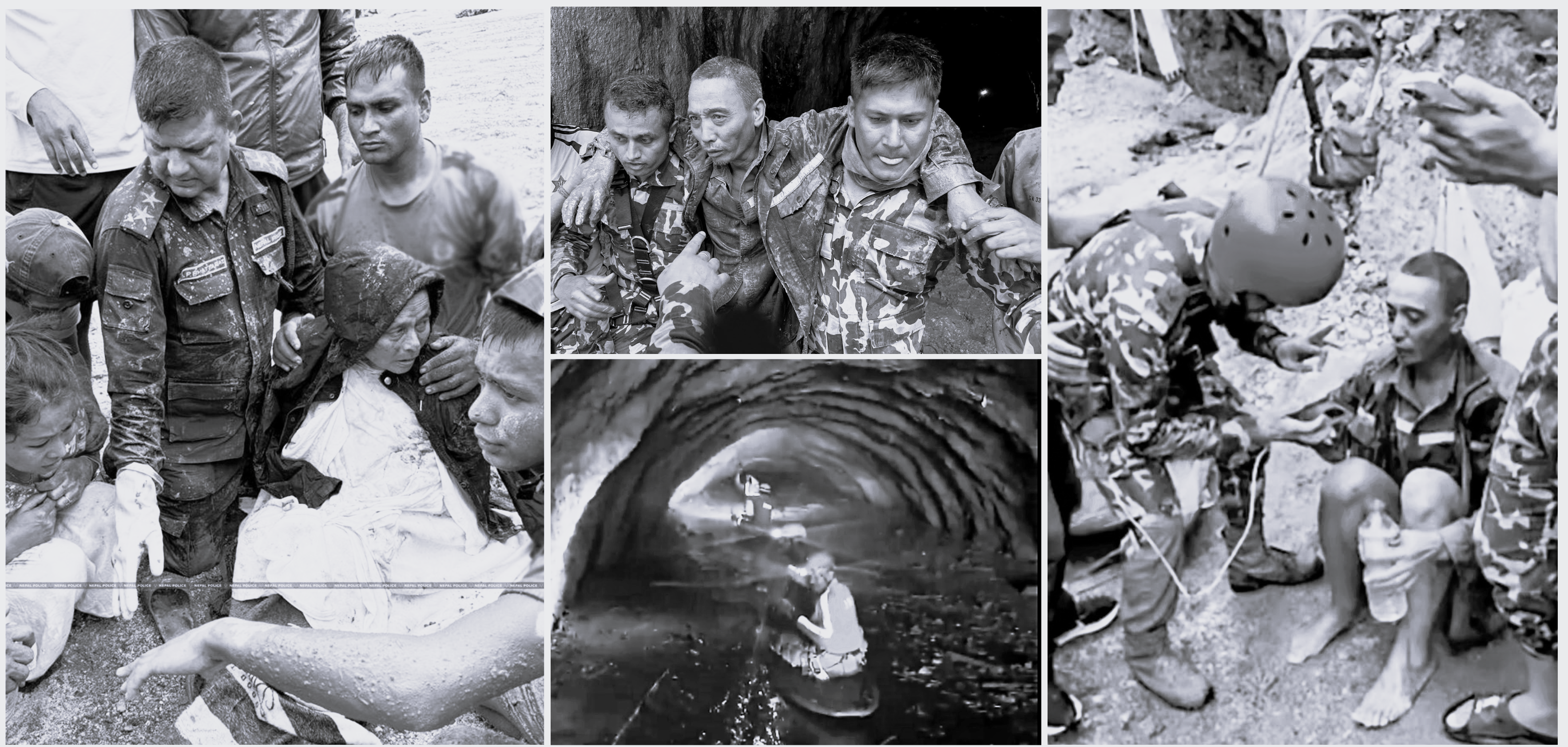
Chinese hydropower worker Luhaitao was rescued alive from a debris-filled tunnel in Nepal on Saturday, 11 days after catastrophic flash floods swept through the country’s northern and central regions, offering a rare moment of hope as the death toll climbed to 1,344 and 4,898 people remained missing. Luhaitao was found approximately 225 metres inside Audit Tunnel 4 at the Upper Trishuli-1 Hydropower Project and was rescued by a joint team of the Nepal Army and international rescuers. His rescue came a day after two Nepalese workers, Kabir Maharjan, 45, and Sanjay Sah, 30, were pulled alive from the Trishuli 3A hydropower project.
The latest breakthrough has renewed hopes for hundreds of workers still believed to be trapped underground. Officials estimate that around 900 workers are missing from a dozen hydropower projects, with nearly 500 believed to be inside tunnels. Rescue teams are using specialised equipment and excavation operations to clear mud, rock and debris blocking underground passages, with specialists from India, China, South Korea, Australia and the United States assisting Nepalese authorities.
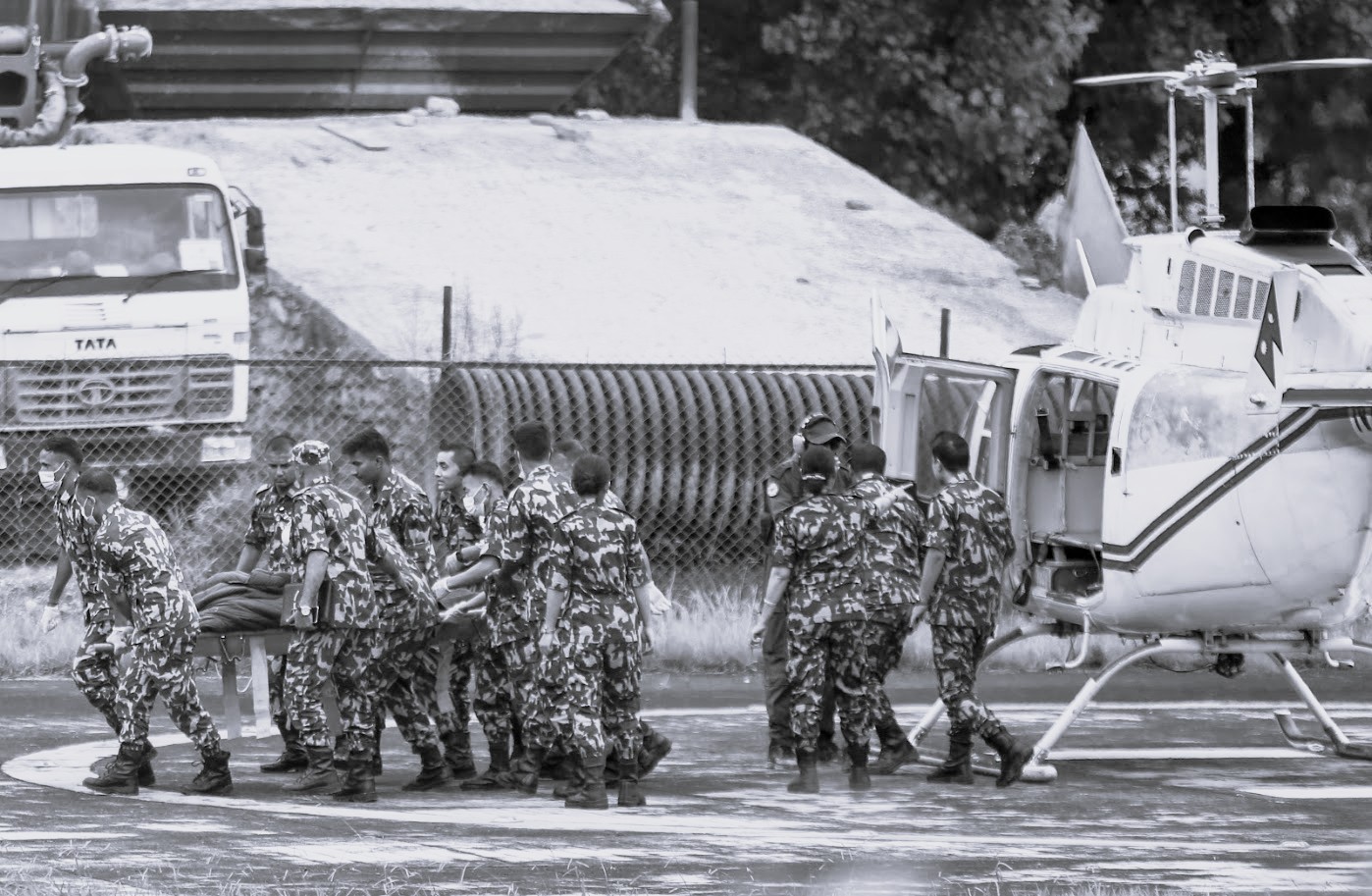
The rescue of Luhaitao followed another extraordinary survival story in Nuwakot. Chandika Shrestha, 60, was rescued alive after spending about 10 days trapped on the upper floor of a four-storey house buried beneath debris in Betrawati. She was found unconscious by a nine-member Armed Police Force team and airlifted for initial treatment. The two rescues have strengthened the determination of search teams to continue operations despite the passage of time.
The disaster began on August 26, when an ice-rock avalanche near the Nepal-Tibet border triggered a sudden surge into the Bhotekoshi River. The floodwaters swept through northern and central Nepal, destroying homes, vehicles, roads and bridges and severely damaging hydropower infrastructure. The devastation also extended across the border into Tibet, where Chinese authorities reported deaths and hundreds of people missing.
As rescue teams reached more affected areas over the following days, the scale of the catastrophe became clearer. More than 13,000 people have been rescued, while authorities continue monitoring major rivers including the Koshi, Narayani, Bagmati, Karnali, Mahakali, Kankai, Kamala, Babai and Rapti systems.
The disaster has also created an enormous victim-identification challenge. Officials said 758 recovered bodies were adults, 85 were children and 501 were recovered with body parts missing, making identification particularly difficult. Around 360 bodies have been recovered in Chitwan, the highest among affected districts, while remains have also been recovered from Rasuwa, Nuwakot, Dhading, Gorkha, Tanahun and the Nawalparasi districts.
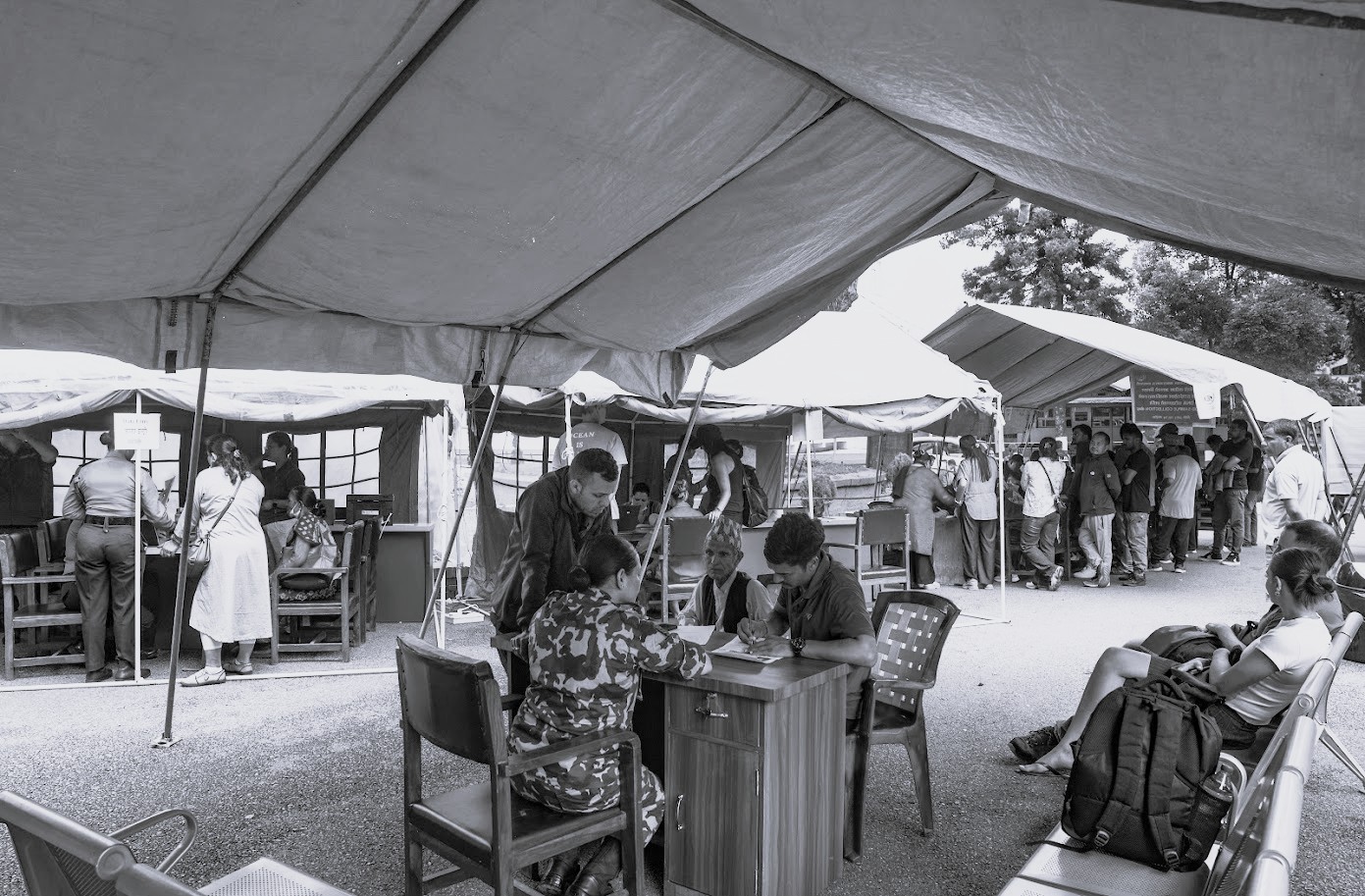
Authorities have temporarily buried 1,030 bodies after completing DNA collection and other identification procedures. Nepal Police has collected 2,272 DNA samples, including 1,260 from bodies and 1,012 from relatives. Details of 1,270 unidentified bodies have also been uploaded to assist families searching for missing loved ones. A DNA collection centre in Bidur, Nuwakot, has made it easier for relatives to provide samples without travelling to Kathmandu.
For families, DNA testing has become a final source of certainty. Raj Kumar Diyali, his wife and their four-year-old son disappeared in Rasuwa after the flood. Relatives later found a human hand downstream and submitted a sample for DNA testing in the hope of establishing whether it belonged to Raj Kumar.
The past 10 days have also seen survivors transform their grief into relief work. Sudip Kumar Neupane, 31, returned to help distribute food and assistance after losing his younger brother and a colleague. In Nuwakot, Suchit Joshi continues search-and-rescue operations even as his wife, seven-year-old daughter, sister-in-law and nephew remain missing.
The destruction has now evolved into a wider humanitarian and reconstruction challenge. Hydropower facilities, roads, bridges and settlements have suffered extensive damage, while displaced communities need food, shelter, medical care, safe water and restored access. India has deployed 54 personnel, including tunnel-rescue specialists, forensic experts and medical staff, and sent about 95 tonnes of relief material. It has also reported 275 Indian nationals missing and 166 rescued.
As Nepal enters the second week of the disaster, the rescue mission has become a complex operation involving search and rescue, victim identification, humanitarian relief and reconstruction. The survival of Luhaitao, Maharjan, Sah and Shrestha demonstrates that people can still be found alive after many days beneath debris or inside tunnels. But with 4,898 people still missing, hundreds potentially trapped underground and thousands of families awaiting answers, Nepal’s rescue teams face an enormous task in the days ahead.