
CJP’s Dipke Inspects M'tra’s Schools, Now Comes The Bigger Test: Who Will Fix Them And By When?
What began as a school inspection has now raised a larger question about accountability in Maharashtra’s education system: once problems are identified, who ensures they are fixed?
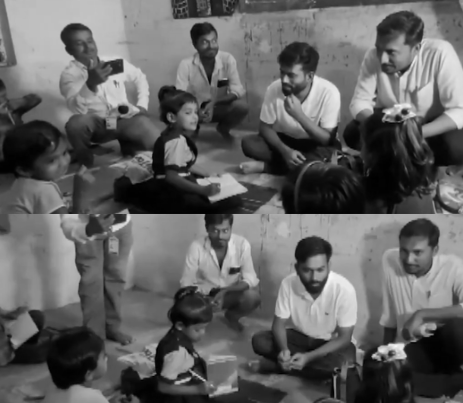
On August 20, Cockroach Janata Party founder Abhijit Dipke completed a social audit of four government and municipal schools in Latur district under his School Thik Karo campaign. His visits covered schools at Ujani, Ekambi and Ausa in Ausa tehsil, followed by Municipal School No. 26 in Latur.
The inspections used a 10-point checklist examining the basics that directly affect students, from drinking water, toilets and electricity to classroom safety, teaching staff, mid-day meals, accessibility, cleanliness and school administration.
But the Latur exercise quickly moved beyond a routine audit. During his visit to the Ujani school, Dipke launched a sharp attack on the Maharashtra government over the condition of government schools and demanded the resignation of School Education Minister Dada Bhuse. His criticism turned the campaign into a wider political challenge over whether official claims about school infrastructure reflect the reality experienced by students.
The campaign, launched on August 15, has expanded beyond Latur. Earlier inspections in Hingoli reportedly led to repair work at a school where deficiencies were highlighted, raising hopes that public scrutiny could force faster action.
Yet, the Latur audit also exposes a major gap. While four schools were inspected, detailed school-wise findings, repair estimates, deadlines and a formal government action plan are yet to emerge publicly. The crucial test will be whether the inspection results are documented and followed by measurable improvements.
The issue becomes even more significant when compared with official data showing high national coverage of facilities such as drinking water, toilets and electricity in schools. The difference between infrastructure existing on paper and being genuinely functional on the ground could be where the real problem lies.
The next chapter of the School Thik Karo campaign may therefore be more important than the audit itself. Identifying deficiencies is only the first step. The real measure of success will be whether classrooms improve, facilities function and authorities can be held accountable for delivering change.