
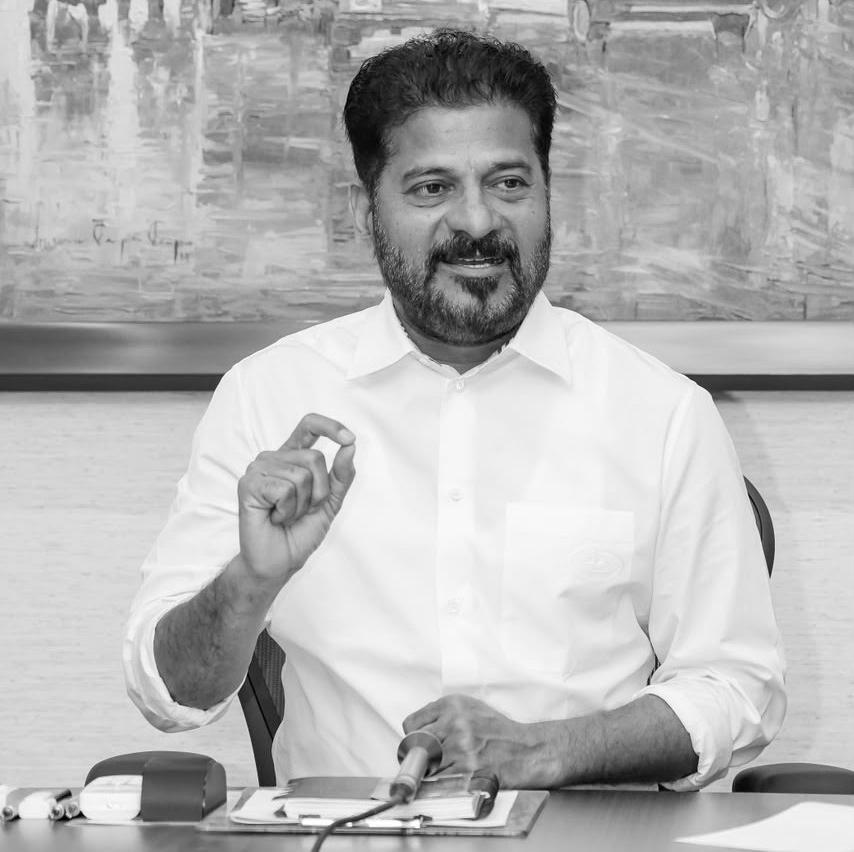
CM Revanth Reddy Directs Exclusive Cultural Use of Kaloji Kalakshetram
Telangana Chief Minister A Revanth Reddy has directed Hanumakonda District Collector Chahat Bajpai to ensure that Kaloji Kalakshetram is used exclusively for cultural, literary and art-related activities, ruling out the relocation of government offices to the premises.
The directive follows reports that the Kakatiya Urban Development Authority (KUDA) office had been shifted to the second and third floors of the cultural complex. KUDA Chairperson Gundu Sudharani and Collector Chahat Bajpai, who is also the authority's Vice-Chairperson, reportedly inspected the relocated office on November 19, 2026.
Responding to the reports, Revanth Reddy instructed the Collector not to accommodate any government offices in the facility. He also asked her to finalise the programmes to be organised there in consultation with members of the Kaloji Foundation, established in memory of renowned Telugu poet Kaloji Narayana Rao.
Located at Balasamudram in Hanumakonda, Kaloji Kalakshetram was inaugurated by Revanth Reddy on November 19, 2024. The four-storey cultural complex was originally estimated to cost around Rs 30 crore, but the expenditure reportedly increased to approximately Rs 95 crore. The facility has an auditorium with a seating capacity of around 1,400 people.
The KUDA office relocation also drew attention because the authority reportedly has an existing office building near the RDO office on Hunter Road. The approximately 30,000-square-foot building underwent modernisation works costing around Rs 5 crore. KUDA had earlier explored leasing the premises through an e-bidding process.
Meanwhile, concerns have also been raised over the maintenance expenditure and pending facilities promised to the Kaloji Foundation, including a 200-seat meeting hall and rooms for its activities. Writers and artists have stressed the importance of preserving the complex for cultural purposes.
The Chief Minister's latest instructions seek to keep the facility dedicated to its original purpose of promoting literature, arts and cultural programmes.