

Cockroaches’ ‘Dilli Chalo’: CJP Gears Up for ‘Jantar Mantar 2.0’ Protest, INDIA Bloc Meets President Over CEC Row
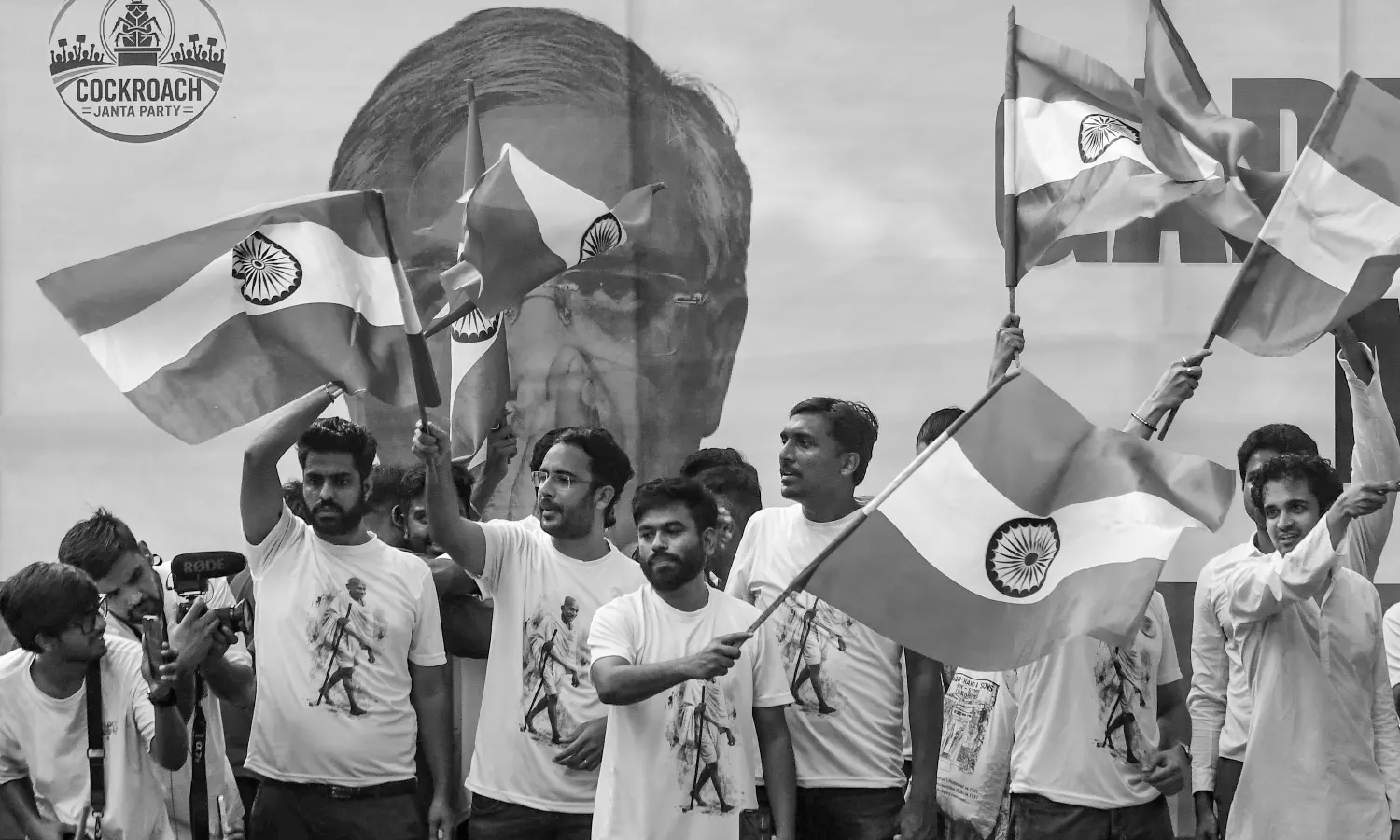
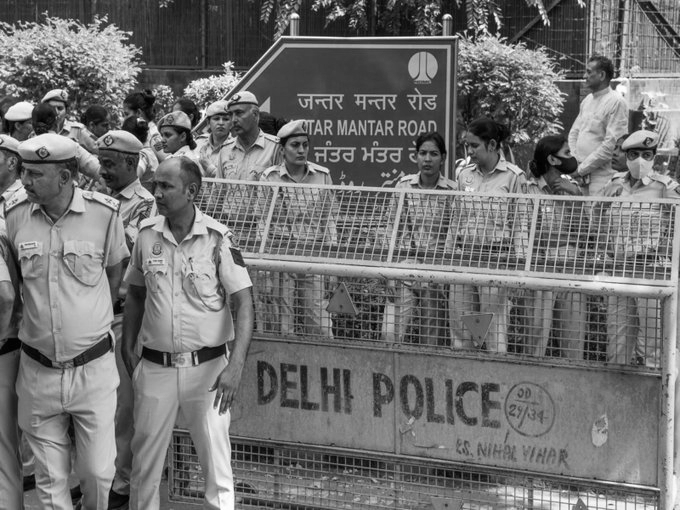
Heavy security, transport restrictions and allegations of preventive detentions have set the stage for the ‘Jantar Mantar 2.0’ protest in Delhi today, with the Cockroach Janata Party (CJP) and student organisations demanding Chief Election Commissioner Gyanesh Kumar’s resignation over alleged irregularities in electoral-roll revision.
The mobilisation, launched under the joint ‘Dilli Chalo’ call, brings together the CJP, the All India Students’ Association (AISA), the Students’ Federation of India (SFI), the All India Students’ Federation (AISF), AAP’s student wing ASAP and Youth for Swaraj. Their demands extend beyond Kumar’s removal to include an end to the Special Intensive Revision (SIR), restoration of the January 2025 voter list, criminal proceedings over alleged irregularities and wider electoral reforms, including an independent process for appointing Election Commissioners. CJP founder Abhijeet Dipke has said the demonstration will remain peaceful despite the denial of police permission.
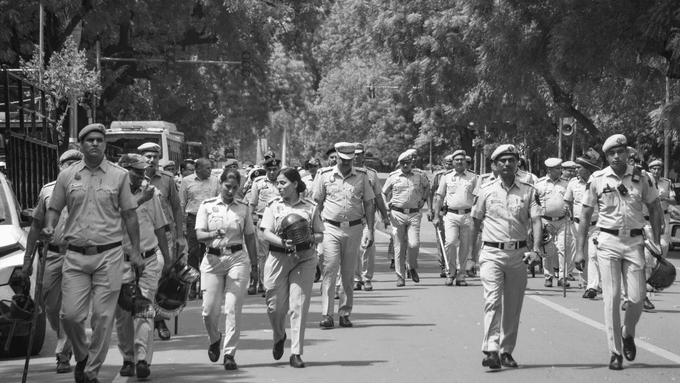
The authorities have mounted an extensive security operation ahead of the gathering. Delhi Police has prepared for a possible turnout exceeding 50,000, while 221 companies of Central Armed Police Forces, comprising around 23,000 personnel, have been made available. Security measures include 37 checkpoints in key areas and detention facilities across all 15 police districts. Border checks have been tightened, and hotels and guesthouses have reportedly been asked to scrutinise bookings by people suspected of travelling to Delhi for the protest. Additional women personnel are also being deployed.
The security arrangements have affected public transport. Train services arriving at and departing from New Delhi and Hazrat Nizamuddin stations between 4 am and 2 pm today have been cancelled. Entry and exit gates at 57 Metro stations were ordered closed from Friday night until the situation normalises. Sarai Kale Khan and New Ashok Nagar Namo Bharat stations were also scheduled to remain closed until Saturday night. A separate order provides for a 24-hour mobile-internet suspension within a four-kilometre radius of the Janpath-Kartavya Path crossing.
The Supreme Court intervened on Friday, cautioning against a complete shutdown of public transport and stressing that security measures should not impose disproportionate hardship on ordinary commuters. The intervention underscored the need to balance public order with citizens’ access to essential services; it did not amount to blanket permission for the protest.
Meanwhile, CJP co-convener Ashutosh Ranka claimed that 10,000 people had been detained nationwide to prevent them from attending the demonstration. The figure remains independently unverified. At least 30 people travelling towards Delhi were reportedly detained at railway stations in Madhya Pradesh, while activists in Maharashtra alleged that police questioned them about their travel plans.
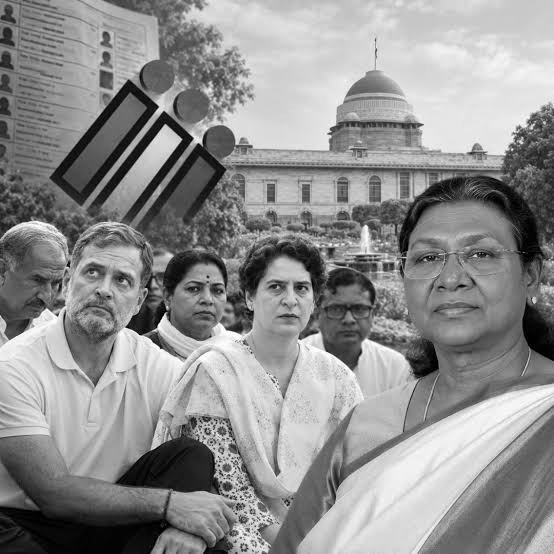
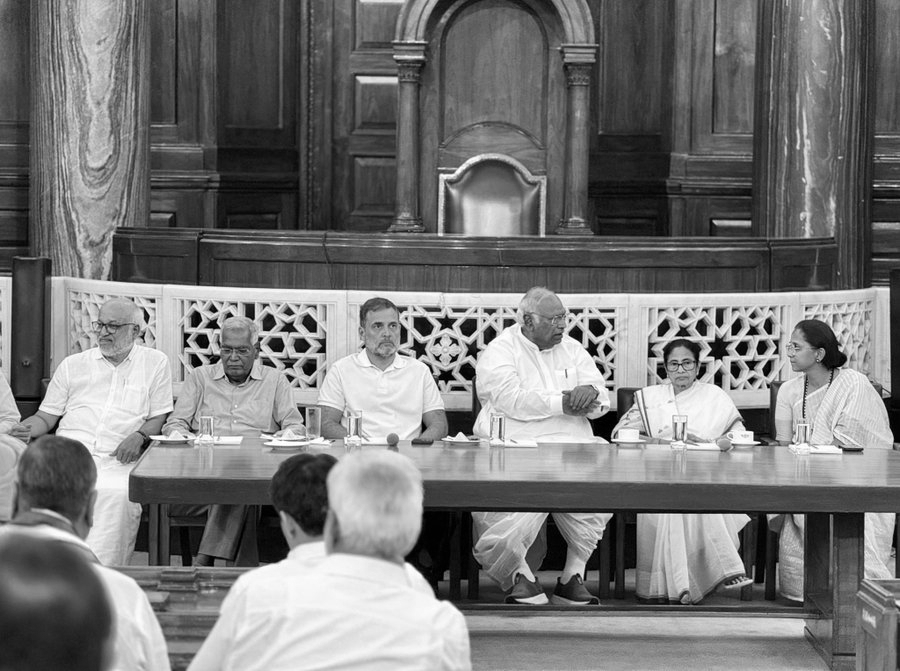
The protest follows a wider Opposition campaign against the Election Commission. An INDIA bloc delegation including Mallikarjun Kharge, Rahul Gandhi, Mamata Banerjee and Tejashwi Yadav met President Droupadi Murmu on Friday, seeking Kumar’s removal, an end to SIR, a return to ballot-paper voting and a review of elections held over the preceding two years. Delhi Police has also registered 25 FIRs relating to protests against the Commission since October 2, with at least three reportedly naming Rahul Gandhi and Priyanka Gandhi Vadra in connection with Wednesday’s demonstration. The allegations remain under investigation.
At the centre of the dispute are electoral-roll deletions, with around 130 million names reportedly removed during SIR. The figure includes people recorded as deceased, relocated or untraceable and does not establish how many eligible voters may have been wrongly excluded. The Opposition alleges that the exercise threatens electoral fairness, while the Election Commission and BJP reject accusations of deliberate manipulation.
The CJP has warned that its agitation could continue for months. Today’s mobilisation will therefore be a test not only of its ability to draw demonstrators despite the restrictions, but also of how authorities manage dissent over a contentious electoral process without unnecessarily disrupting public life.