
Congress Accuses EC of Hiding ECINET Software Details, Demands SIR Suspension
The Congress on Sunday accused the Election Commission of India (ECI) of withholding information about its ECINET software, alleging that greater transparency would expose what it described as “massive, centralised manipulation” during the Special Intensive Revision (SIR) of electoral rolls.
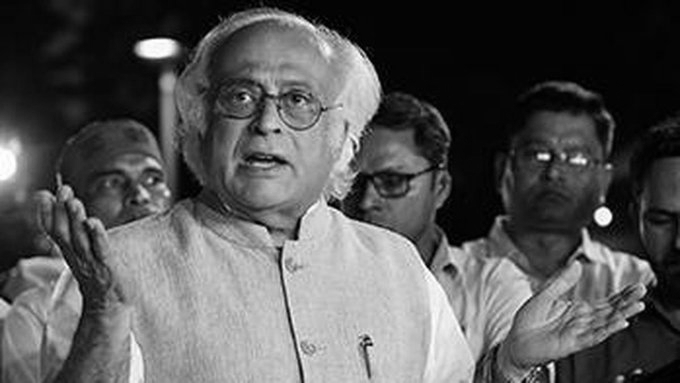
Congress general secretary in-charge of communications Jairam Ramesh alleged that the poll panel had repeatedly refused to disclose details about the software used to identify errors and anomalies in voter lists.
His remarks followed a media report stating that the ECI had rejected a Right to Information (RTI) application seeking the software's name and version, citing commercial confidence, trade secrets and intellectual property as grounds for exemption.
In a post on X, Ramesh questioned why the commission had not disclosed the software's identity or clarified whether artificial intelligence (AI) was being used during the revision exercise and what safeguards were in place.
He said the lack of transparency surrounding ECINET and the alleged use of AI had undermined public confidence in the SIR process. Ramesh also questioned why information about Tata Consultancy Services' (TCS) role in developing ECINET had emerged through disclosures by the company rather than a transparent announcement by the ECI.
He further alleged that the software and the commission's IT division had been the subject of objections raised by Election Commissioners Sukhbir Singh Sandhu and Vivek Joshi. According to him, the complaints had also reached the Department of Personnel and Training (DoPT).
Reiterating the party's demands, Ramesh said Chief Election Commissioner Gyanesh Kumar must step down and the SIR exercise should be suspended immediately. The controversy comes amid a report by The Indian Express that Sandhu and Joshi had raised objections on record at least 14 times over the past 10 months, mainly concerning decisions related to the SIR.
The ECI has maintained that differences of opinion are part of institutional deliberations, asserting that its orders carry full legal sanction and follow established statutory procedures. The Congress's allegations have not been independently established.