
Congress Calls for 543-Seat Lok Sabha Freeze, 33% Women’s Reservation from 2029
The Congress on Wednesday demanded that the Lok Sabha’s current strength of 543 seats be frozen for the next 25 years and that 33 per cent reservation for women be implemented from the 2029 general elections, without waiting for a fresh delimitation exercise.
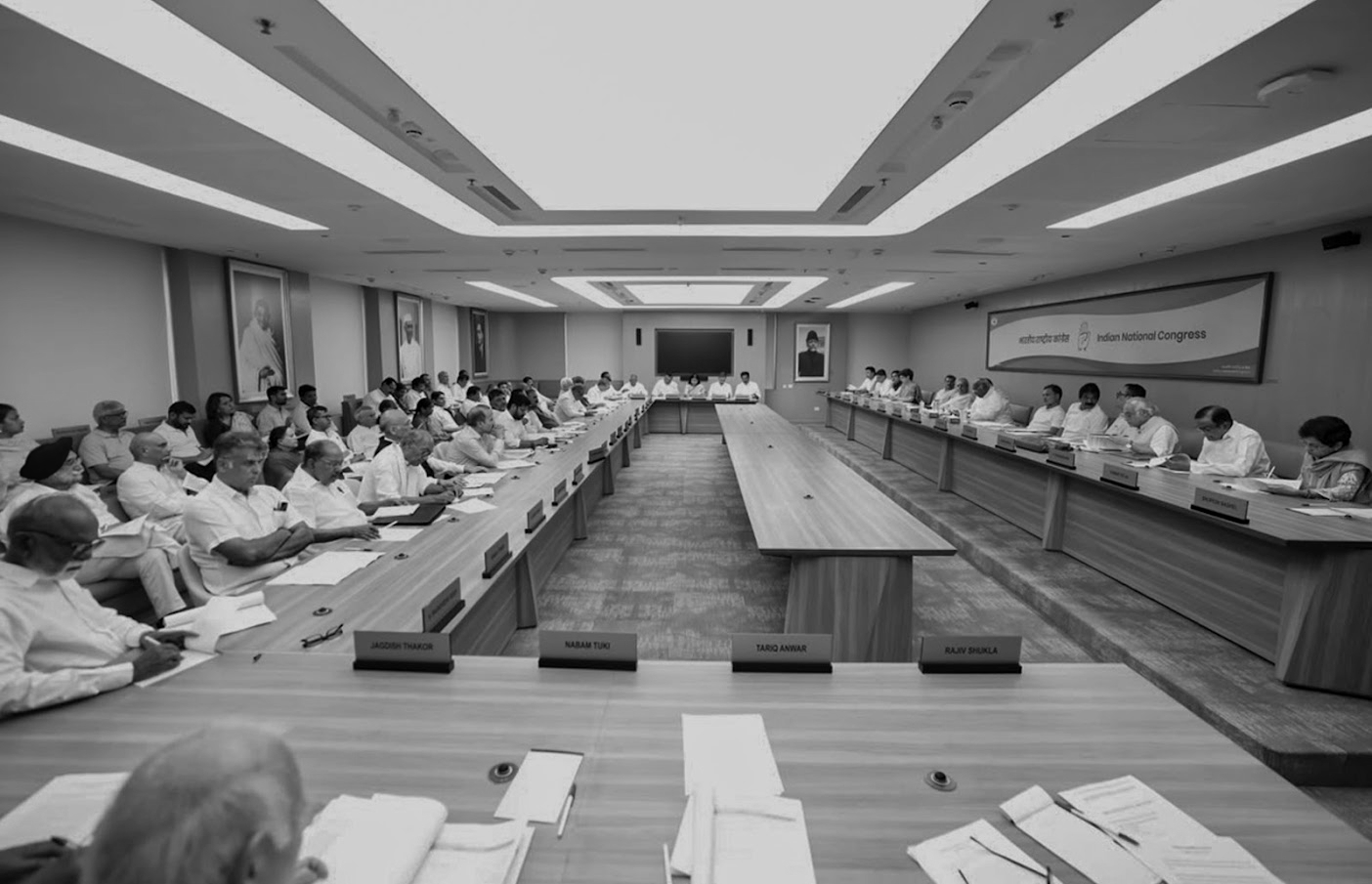
The demand was reiterated in a resolution adopted by the Congress Working Committee (CWC) at a meeting chaired by party president Mallikarjun Kharge in New Delhi. Senior leaders, including Sonia Gandhi, Rahul Gandhi, Priyanka Gandhi Vadra, Jairam Ramesh and K C Venugopal, attended the meeting.
Congress general secretary Jairam Ramesh said the party supports retaining both the existing number of Lok Sabha seats and their present allocation among states for another 25 years. The party, however, wants the women’s quota to be applied to these existing constituencies from 2029.
The demand comes amid concerns in southern states over delimitation. The present allocation of seats is based on the 1971 Census and was frozen to encourage population stabilisation. Southern states such as Tamil Nadu, Kerala and Karnataka have since recorded slower population growth than several northern states. They fear that a population-based redistribution could reduce their relative share and political influence in Parliament.
The April 17 legislation was broader than a standalone women’s reservation Bill. Three Bills introduced on April 16 sought to facilitate delimitation, increase the maximum Lok Sabha strength from 550 to 850, and enable the 33 per cent women’s quota to take effect through the proposed delimitation. The framework envisaged using the 2011 Census for the next delimitation.
The Constitution’s 2023 women’s reservation law had tied implementation to the first Census conducted after its commencement. With the next Census scheduled in phases, the quota could therefore miss the 2029 election. Congress is seeking to remove that delay and implement the reservation immediately on the existing 543 seats.
The April 17 constitutional amendment vote failed after 298 MPs voted in favour and 230 against, short of the required two-thirds majority.