
Congress Escalates E20 Petrol Criticism, Questions Costs for Consumers and Environment
The Congress Working Committee (CWC) has raised fresh concerns over the rollout of E20 petrol, urging the Centre to address unresolved issues related to fuel contamination, vehicle compatibility and the environmental impact of ethanol production.
In a resolution adopted at its meeting at Indira Bhawan on Wednesday, the CWC reiterated its concerns over lower mileage, compatibility risks and reduced consumer choice following the increased use of petrol blended with 20 per cent ethanol. The resolution said concerns surrounding fuel contamination and the environmental costs associated with diverting sugarcane and maize for ethanol production remained unresolved and required “urgent attention and speedy redressal”.
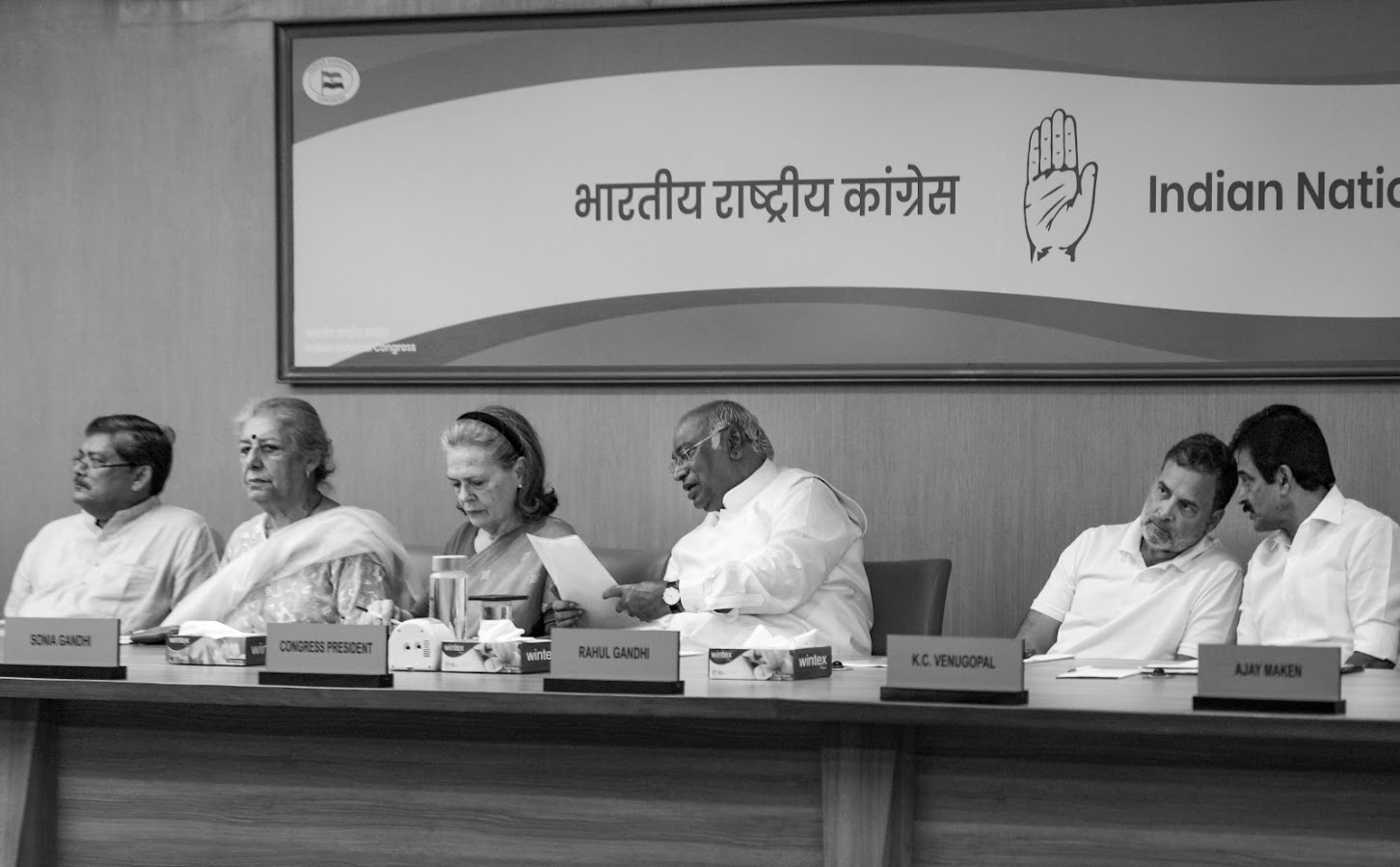
The meeting was chaired by Congress president Mallikarjun Kharge and attended by former party chiefs Sonia Gandhi and Rahul Gandhi, along with AICC general secretaries Priyanka Gandhi Vadra, Jairam Ramesh and K C Venugopal, among other senior leaders. Congress has consistently criticised the government’s E20 rollout, arguing that the policy could impose additional costs on consumers while limiting their choice of fuel. The party has also raised concerns over the compatibility of higher ethanol blends with vehicles designed for lower ethanol concentrations.
The opposition party has alleged that the transition to E20 could result in higher fuel expenses for middle-class consumers because of reduced mileage. It has also claimed that vehicle owners could face compatibility-related problems, particularly with older models that were not designed for higher ethanol blends.
On the environmental front, Congress has questioned whether the policy can be considered genuinely green when significant quantities of sugarcane and maize are diverted towards fuel production. The party has argued that the ecological footprint of producing ethanol, including the resources required for growing feedstock, must be assessed comprehensively.
Congress has further alleged that ethanol producers are the major beneficiaries of the E20 policy, while consumers bear the consequences through higher fuel consumption and reduced choice. The latest CWC resolution signals that the party intends to continue pressing the government on the economic, environmental and consumer-related implications of E20 petrol.