
CPI Slams AP Government Over RTO Privatisation, Warns of Commercialisation of Public Services
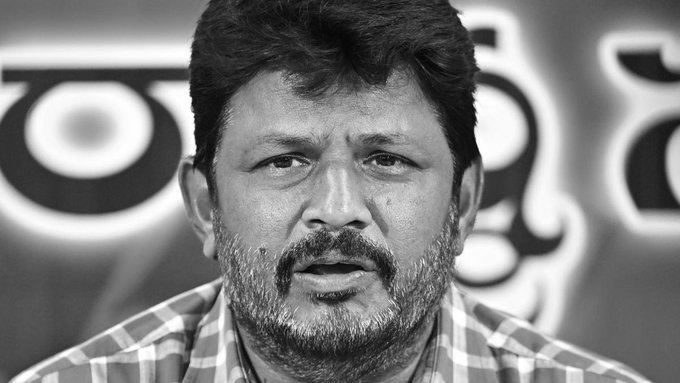
Communist Party of India (CPI) Andhra Pradesh state secretary Gujjula Eshwaraiah has strongly criticised the coalition government's move to privatise Regional Transport Office (RTO) services, accusing it of avoiding its constitutional responsibilities instead of addressing corruption within government departments. He warned that handing over public institutions to private individuals and corporate organisations would undermine public rights and turn essential services into commercial enterprises.
In a statement, Eshwaraiah questioned how the government could justify weakening public institutions on the grounds of corruption. He argued that the responsibility of an elected government was to eliminate corruption, ensure transparency and strengthen public services rather than transfer them to private operators. He described the approach as an attempt to set the entire house on fire because of a problem in one corner.
He pointed out that vehicle registrations, driving licences, fitness certificates and transport permits were essential government services. According to him, certain RTO services and certificate-issuing processes had already been handed over to private individuals since the coalition government came to power, and further transfers were being considered. He warned that increasing private control could weaken government oversight and allow commercial interests to influence services meant for the public.
The CPI leader also questioned the financial implications of privatisation. He said revenue generated through government services should flow into the public exchequer, support government institutions and sustain employment. Transferring these activities to private companies could divert public revenue into private profits. He demanded transparency regarding the financial and political interests behind such decisions.
He also raised concerns over the growing dependence on private vehicle operators for official government programmes, tours and protocol arrangements. According to him, using government-owned vehicles and public sector resources would ensure that expenditure remained within the public sector, whereas outsourcing such requirements could turn public money into private income.
Extending his criticism to other departments, Eshwaraiah alleged that corruption, middlemen networks, illegal collections and political interference had become serious concerns in several government institutions, including RTO, revenue, police, sub-registrar, healthcare and civil supplies departments. He questioned whether ordinary citizens were being forced to make unofficial payments to move files and obtain routine services. He said political leaders, elected representatives and senior officials must also be held accountable for systemic corruption.
He warned against increasing private influence in nine major areas: transport services, property registrations, public healthcare, education, government vehicle operations, employment, drinking water, public parks and natural resources. He argued that privatisation of registration services could affect property rights, while the commercialisation of healthcare and education would increase the financial burden on poor and middle-class families. Similarly, outsourcing government jobs could weaken workers' wages, employment security and labour rights.
He also cautioned that handing over drinking water systems and public spaces to private operators could make basic facilities less accessible to ordinary people. Private commercial interests in roads, forests, hills and other natural resources, he added, could accelerate environmental damage and undermine the livelihoods of local communities.
The CPI demanded the immediate withdrawal of RTO privatisation decisions and the disclosure of relevant government orders, tenders, contracts, financial benefits and private companies selected for the process. It also sought comprehensive investigations into corruption across government departments, strict action against officials and political representatives involved in wrongdoing, and stronger public institutions with transparent services and fixed fees.
Eshwaraiah called upon government employees, workers and RTO department personnel to unite against the privatisation of public services. He urged the government to fill vacant posts, protect permanent employment, strengthen public sector institutions and ensure that essential services remained accessible and affordable.
He maintained that corruption should be eliminated through administrative reforms and accountability, not by handing over public institutions to private businesses. "Protect public resources, fight corruption and resist privatisation," he appealed, calling for collective action to safeguard people's rights and government accountability.