
Deadly Crackdown in PoK Sparks Human Rights Concerns Amid Election Boycott
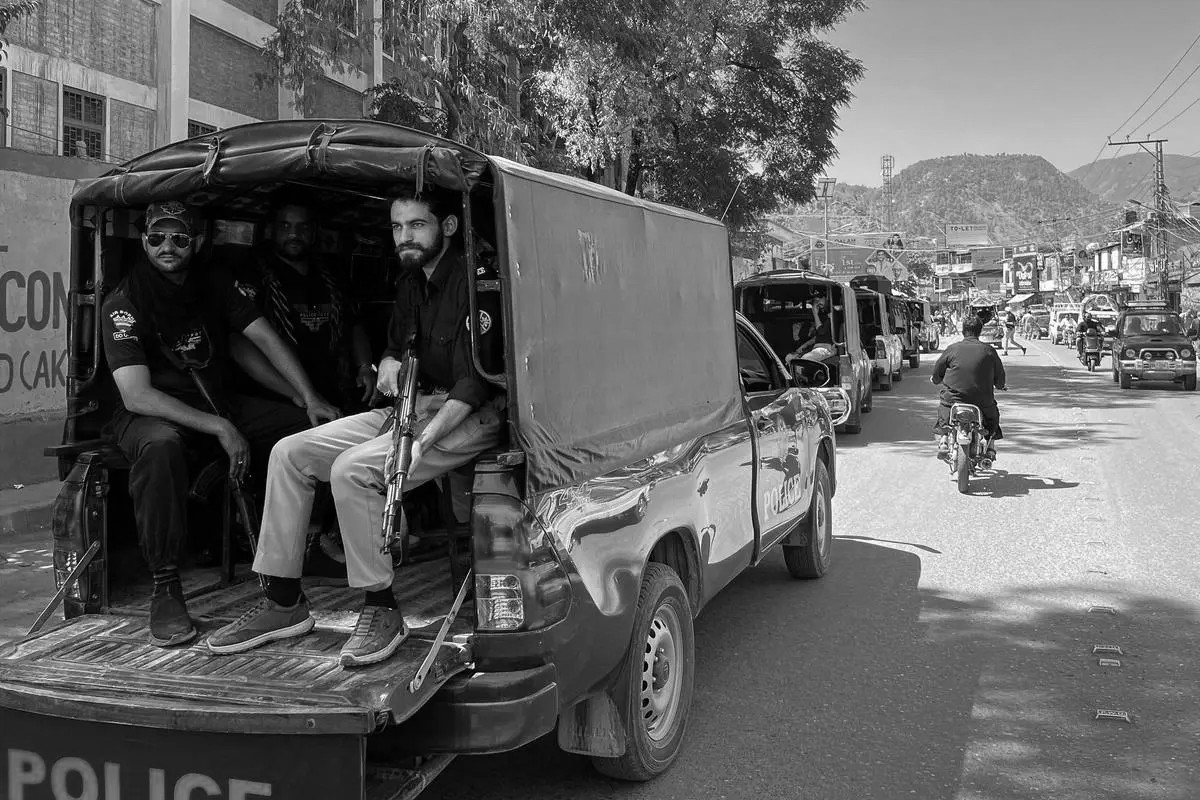
A violent crackdown by Pakistani security forces on demonstrators in Pakistan-occupied Kashmir (PoK) has reportedly left more than 30 civilians dead and over 33 injured, according to government sources, intensifying concerns over the deteriorating human rights situation in the region.
The protests, spearheaded by the Joint Awami Action Committee (JAAC), have coincided with local body elections in PoK. Demonstrators have been voicing anger over rising living costs, alleged administrative neglect, political discrimination, and reported atrocities against minorities. Public discontent has continued to grow since last month, leading to widespread protests across several districts.
Sources said Pakistani security personnel allegedly used lethal force against participants during JAAC's long march from Rawalakote to Muzaffarabad. Among those reportedly killed was Usman Nazir, the brother of JAAC Central Committee member Umar Nazir.
Following the violence, JAAC appealed to the United Nations Human Rights Council and international human rights organisations, demanding an independent investigation into the alleged unlawful killings, an immediate end to the use of excessive force, and accountability for those responsible.
Government sources also cited independent reports claiming that voter turnout in the first phase of regional elections in Mirpur division remained below 10 per cent, contrasting sharply with the official turnout figure of 45 per cent. They said several towns observed complete shutdowns in support of JAAC's election boycott call.
Organisations including the Jammu Kashmir National Students Federation (JKNSF) have reportedly condemned the security operation, while security forces continue maintaining a heavy deployment in Rawalakote, Muzaffarabad, and surrounding areas to prevent further gatherings.
According to the sources, communication restrictions and service suspensions remain in place across parts of PoK, limiting the flow of information. They argued that the reported election boycott reflects declining public confidence in the existing political process, while the continuing restrictions have drawn renewed attention to concerns over civil liberties and transparency in the disputed region.