
‘Decisive War’ Or Talks? Iran Sets 7 Conditions For Trump To End The War
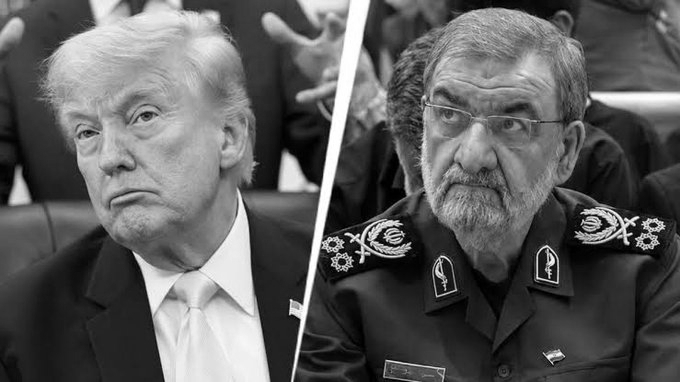
Iran has sent seven conditions to the United States for restarting negotiations as Tehran warns that another major US attack could trigger sustained retaliation, keeps the Strait of Hormuz closed and waits for President Donald Trump’s response. Iranian Supreme National Security Council Secretary Mohsen Rezaei said Tehran had conveyed its message through Qatar and was continuing discussions with Qatari and Pakistani mediators. He said Iran’s position was “clear and unambiguous” and that Washington would have to accept its rights and conditions if it wanted to return to diplomacy.
Of the seven conditions, Tehran has publicly identified three: an end to the war on all fronts, the release of frozen Iranian assets and an end to the US naval blockade of Iranian ports. Rezaei has not disclosed the complete list. Reports have suggested that the remaining demands could involve issues such as sanctions and regional security, but those points have not been officially confirmed by Iran.
Rezaei has simultaneously warned that Iran is prepared for further escalation. He said another US strike remained “very much on the cards” according to Iranian military assessments and declared that Tehran was ready for a “decisive war” if Washington rejected its conditions.
Iranian officials say the country has changed its military planning to focus on US naval assets stretching from the Gulf through the Gulf of Oman and into the Arabian Sea. Rezaei also claimed that Iran recently test fired a multi-warhead anti-ship missile near a US vessel or aircraft carrier.
The regional conflict has widened after the Houthis targeted Riyadh with a ballistic missile that Saudi Arabia said it intercepted. The Houthis also claimed attacks on Riyadh and Saudi oil infrastructure in Yanbu, while some of their claims remain unverified. The escalation has increased pressure on Saudi air defences, with Riyadh reportedly seeking support from France, Britain, Pakistan and Egypt amid growing concerns over energy infrastructure and shipping.
The Saudi escalation is directly relevant to Iran’s demand for an end to the war “on all fronts”. Tehran has said its conditions cover not only fighting with the US but also conflicts involving Yemen and Saudi Arabia.
At the same time, Pakistan is trying to maintain its diplomatic channel with Tehran. Pakistani Interior Minister Mohsin Naqvi is visiting Iran, but Foreign Ministry spokesperson Esmaeil Baghaei said Naqvi was not carrying any specific US message or proposal. He said the visit was focused on bilateral relations and following up on agreements between Iran and Pakistan.
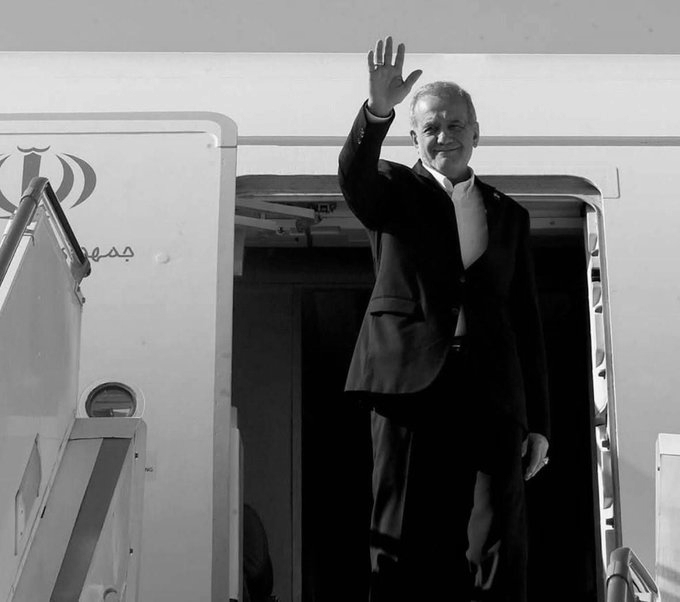
The diplomatic track is also moving towards New York. Pezeshkian is set to attend the UN General Assembly after the United States approved visas for him, Foreign Minister Abbas Araghchi and other members of the Iranian delegation. The US State Department said the decision was consistent with its responsibilities as host of the United Nations, although the Iranian delegation will face travel and purchasing restrictions.
Pezeshkian’s visit will put senior Iranian and US officials in the same city at a highly sensitive moment. The UN high level debate is scheduled for September 22 to 26, with another sitting on September 28. The gathering could provide an additional setting for diplomatic contacts even as Tehran and Washington remain publicly far apart.
The Strait of Hormuz remains one of the biggest obstacles. Parliament Speaker Mohammad Baqer Qalibaf said Iran would keep the waterway closed until its conditions are met and Washington implements its commitments. He said Tehran would continue pursuing military action and diplomacy simultaneously: “We must both fight and negotiate.”
Trump has nevertheless said he believes the conflict could be approaching an end. “Hopefully we're toward the end of the war,” he said on Wednesday. “They want to make a deal. We'll see how that works out.”