
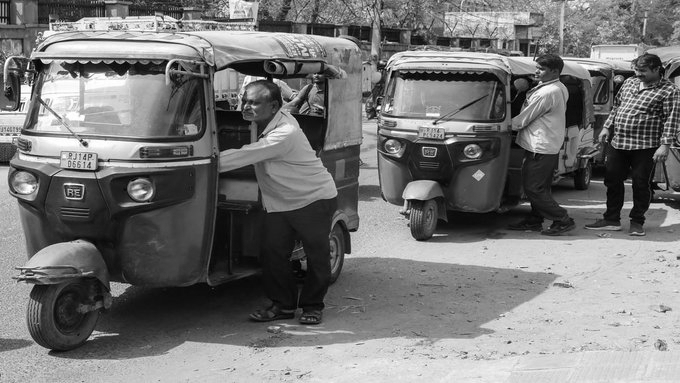
Delhi CNG Price Hiked ₹3.89 Per Kg, Nearly ₹10 Up This Year, Auto Unions Seek Fare Relief
Delhi’s latest CNG price hike has opened a fresh battle over autorickshaw and taxi fares, putting the government under pressure to balance the earnings of drivers with the rising cost of commuting for passengers. The latest increase of ₹3.89 per kg took the price of CNG in Delhi to ₹86.98 per kg from Saturday.
For transport operators, the increase is the latest addition to a sustained rise in fuel costs. CNG prices have climbed by nearly ₹10 per kg in Delhi this year, while the existing auto fare structure has remained unchanged since January 2023. That gap has left drivers arguing that their operating costs have risen without a corresponding increase in what they can charge passengers.
The Auto Rickshaw Association and Delhi Pradesh Taxi Union has demanded an immediate fare revision within a week. General Secretary Rajendra Soni said the government should either raise fares or provide a subsidy on CNG. The union has warned of a September 9 strike if its demands are not addressed.
The dispute could have a direct impact on commuters. A fare increase would make autorickshaw and taxi journeys more expensive, particularly for passengers who depend on them for short trips and connections to public transport. On the other hand, a strike could reduce the availability of autos and taxis, leaving commuters with fewer travel options.
The pressure could also extend beyond passenger transport. The All India Motor and Goods Transport Association has warned that higher CNG costs could raise expenses for the transport sector and eventually put pressure on the prices of essential commodities.
IGL has attributed the latest hike to elevated international LNG prices, saying a significant portion of its input gas is sourced through imported LNG. International gas prices have risen sharply amid the West Asia conflict, increasing the company's input costs.
The immediate challenge for the government is therefore not simply the price of fuel. It is how to prevent rising operating costs from becoming either a driver-income crisis or a fresh burden on commuters, while avoiding disruption if the September 9 strike goes ahead.