
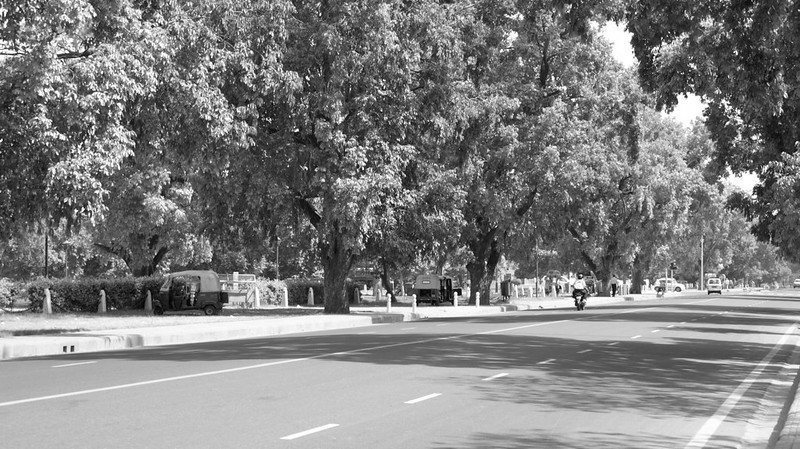
Delhi Moves to Simplify Felling of Commercial Trees on Private Land
The Delhi government is preparing to simplify the harvesting of five commercially cultivated tree species grown on private land, a move aimed at encouraging agroforestry , expanding green cover and improving farmers' incomes. A draft notification proposing the Delhi Preservation of Trees (Agro-forestry and Exempted Plantation Species) Rules, 2026 has been released for public feedback until July 30 .
The proposal covers Poplar, Safeda (Eucalyptus), Sejhana (Moringa), Gamari and Malabar Neem , all widely used for timber, biomass and commercial plantations. Officials believe simplifying regulations will encourage more landowners to cultivate these species without worrying about complex harvesting procedures.
Under the proposed framework, landowners would face fewer regulatory hurdles . Separate transit permits for transporting harvested timber would no longer be required, while compensatory plantation obligations after harvesting these exempted species would also be removed. Officials say the objective is to promote planned commercial plantations without weakening safeguards for forests.
Private landowners will still need to register plantations on the Forest Department's e-Forest portal , uploading ownership records, geo-tagged photographs, land details and information on tree species. Permission to fell up to 10 trees could be granted within seven working days if no objections arise. Larger harvests would require site inspections, with approvals expected within three weeks .
Importantly, the exemptions will not apply to forests, ridge areas, deemed forests, protected trees, disputed land or cases restricted by courts or environmental laws. Officials emphasise that existing environmental safeguards will remain intact.
Agroforestry integrates trees with farming, delivering multiple benefits beyond timber production. Trees improve soil quality , reduce erosion, store carbon, enhance biodiversity and create additional income streams for farmers. They also strengthen climate resilience by protecting agricultural landscapes against rising temperatures and erratic rainfall.
By reducing bureaucratic barriers while retaining environmental oversight, Delhi hopes to align with similar reforms adopted elsewhere in India, making commercial tree cultivation a more attractive and sustainable option for private landowners and farmers alike.