
Delhi Polling Stations Rise to 14,947 After SIR Rationalisation - 1,914 New Booths Added
Delhi’s electoral infrastructure is undergoing a major restructuring ahead of the next phase of the Special Intensive Revision (SIR) of electoral rolls, with the number of polling stations in the national capital rising from 13,033 to 14,947 after a comprehensive rationalisation exercise across all 70 Assembly constituencies.
The increase of 1,914 polling stations, nearly 14.7 per cent, follows the Election Commission’s decision to reduce the maximum number of electors assigned to a polling station from 1,500 to 1,200, aimed at easing congestion and improving voter convenience. Polling-station locations have also increased from 2,696 to 2,856. Officials physically verified existing premises, identified new locations and consulted recognised political parties before finalising the arrangement.
North East Delhi now has the highest number of polling stations at 1,829 across 321 locations, up from 1,585 stations and 295 locations. South East Delhi has 1,564 stations, while East and West Delhi have 1,543 each and North West has 1,403. New Delhi has the fewest, at 214. South East recorded the largest increase, adding 325 stations, followed by North East (+244), South (+243) and East (+210). The smallest increase was in New Delhi, with six. North East also leads in locations, followed by West (316), East (276), South East (264) and South West (252).
The rationalisation is closely linked to the ongoing SIR, which began with door-to-door verification and concluded on August 17. More than 47 lakh enumeration forms out of an electorate of around 1.45 crore were marked “uncollectable”. However, these should not be treated as permanent deletions, as affected voters can seek inclusion during the claims-and-objections process.
The draft electoral roll is scheduled for August 31, with claims and objections continuing until September 30. Officials are expected to dispose of cases by October 29, while the final electoral roll is due on November 4. The timetable was extended from the earlier October 27 deadline, partly amid the work involved in polling-station rationalisation.
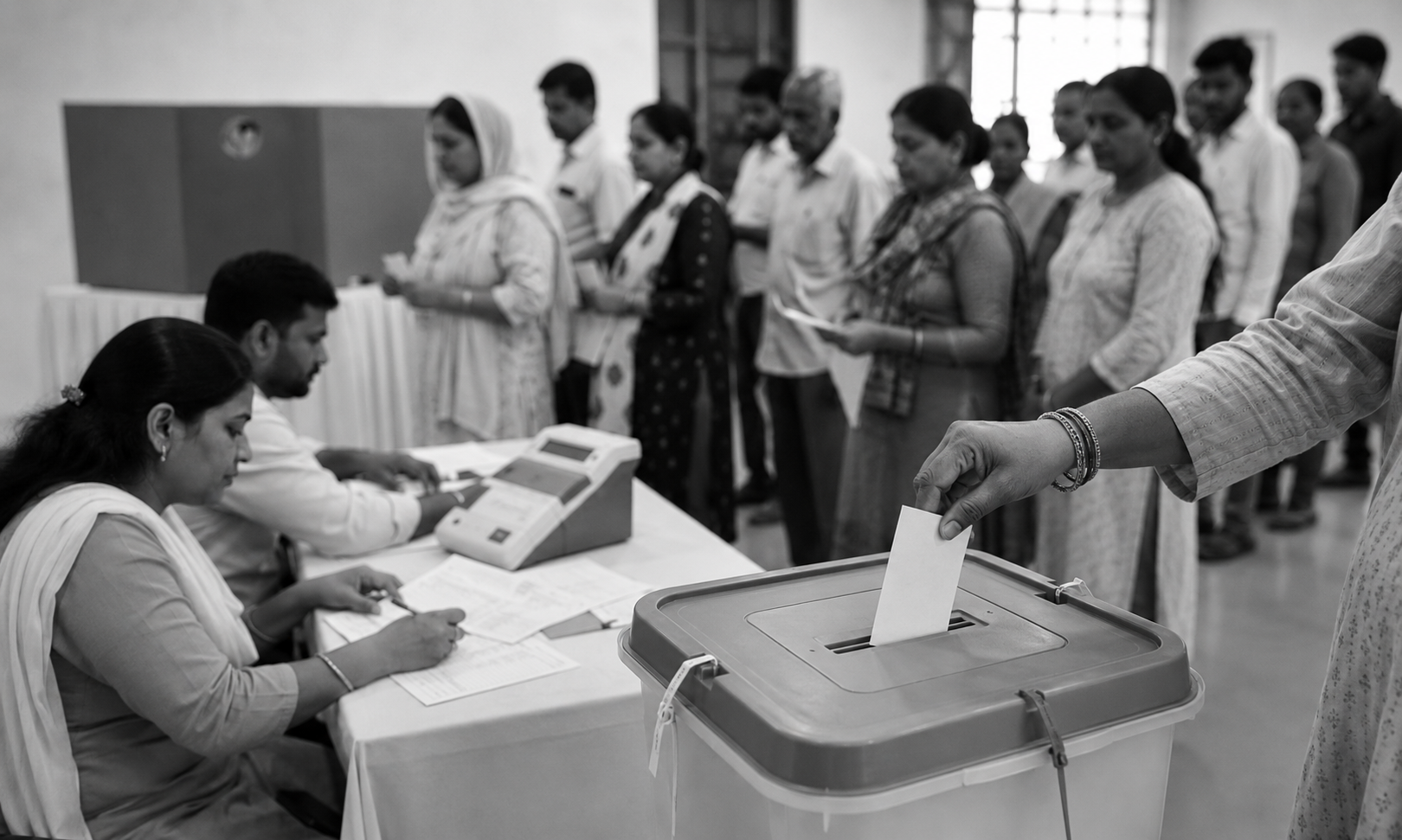
For voters, the revised network could mean shorter queues, less congestion and easier access, although some may receive new polling-station assignments. The new stations are intended to remain close to existing voter areas, with officials considering a two-kilometre radius where possible.
The final assessment, however, will depend on the November electoral roll and actual election-day experience. With Delhi simultaneously revising its voter database and expanding its polling infrastructure, the 14,947-booth figure represents a major administrative reset rather than merely an increase in voting locations.